Trending
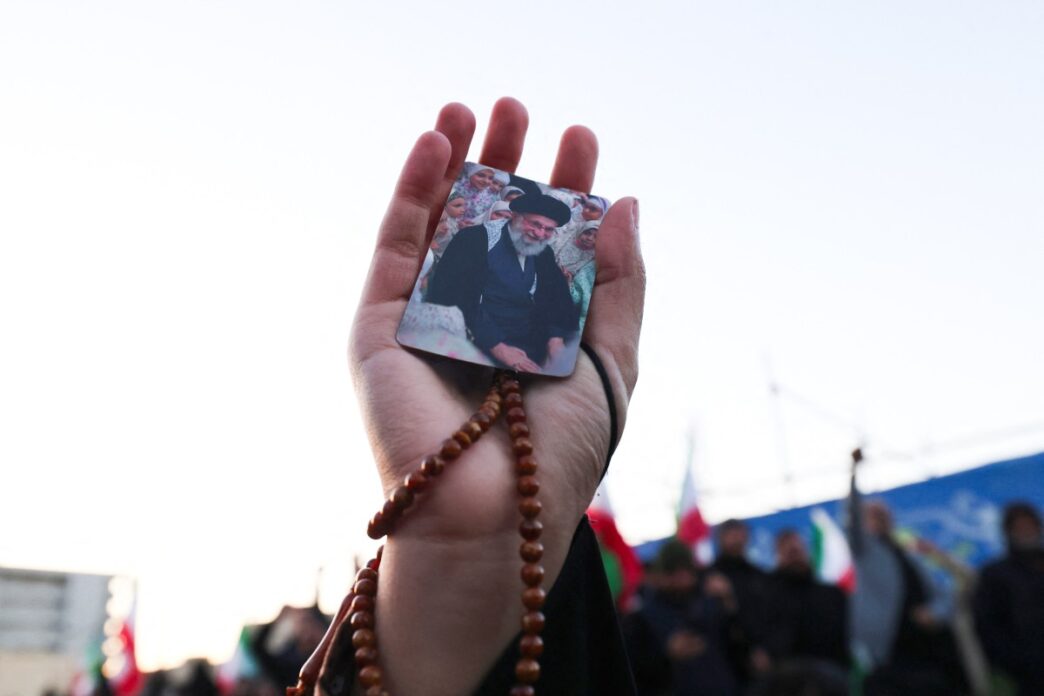
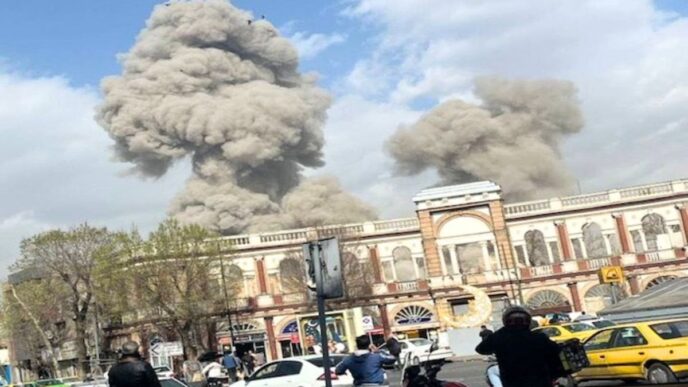
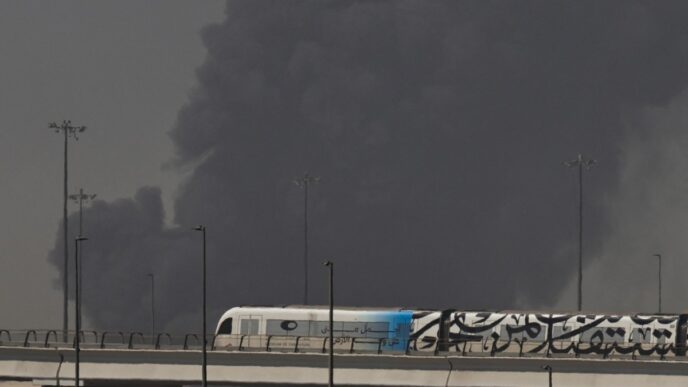
The United Nations’ nuclear watchdog has announced an extraordinary meeting on Iran following joint United States and Israeli strikes targeting the Islamic Republic, actions which have significantly heightened tensions across the Middle East.
The emergency session, scheduled for Monday, will focus on the implications of the military strikes, particularly as they relate to Iran’s atomic programme.
In a statement issued late Saturday, the Vienna-based International Atomic Energy Agency (IAEA) confirmed that the meeting was convened at Russia’s request, one of Tehran’s principal allies. Iran had also formally requested the session in a letter addressed to IAEA Director General Rafael Grossi, sent shortly after the strikes.
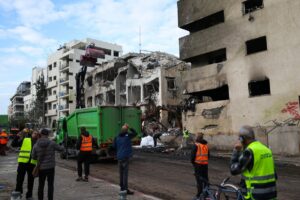
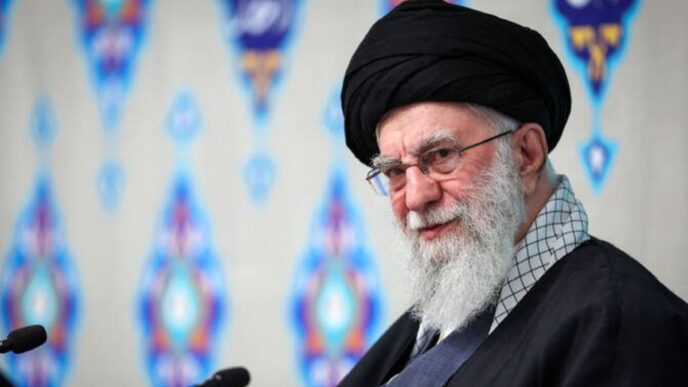
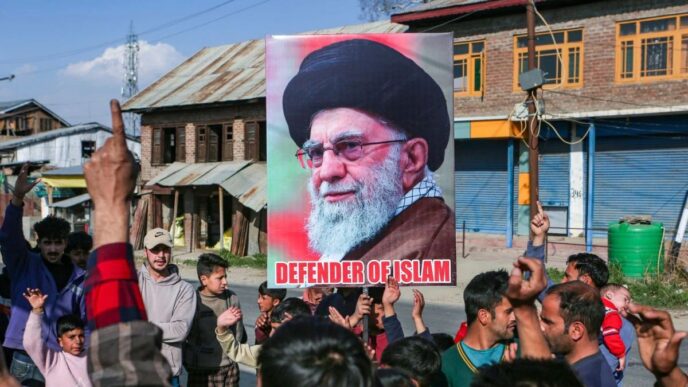
The military action reportedly resulted in the death of Iran’s Supreme Leader, Ayatollah Ali Khamenei, marking a dramatic escalation in an already volatile regional confrontation. In response, the IAEA said it would hold a “special session of the IAEA Board of Governors on matters related to military strikes of the United States and Israel against the territory of the Islamic Republic of Iran.
The agency emphasised that it is “closely monitoring developments in the Middle East” and urged restraint “to avoid any nuclear safety risks to people in the region.”
Western governments, led by the United States and Israel, have long accused Tehran of pursuing nuclear weapons capabilities. Iran has consistently denied these allegations, maintaining that its nuclear programme is intended solely for civilian purposes, including energy generation and medical research.
The emergency meeting is expected to sharpen diplomatic divisions within the IAEA, as global powers debate both the legality of the strikes and the future oversight of Iran’s nuclear infrastructure.