Trending
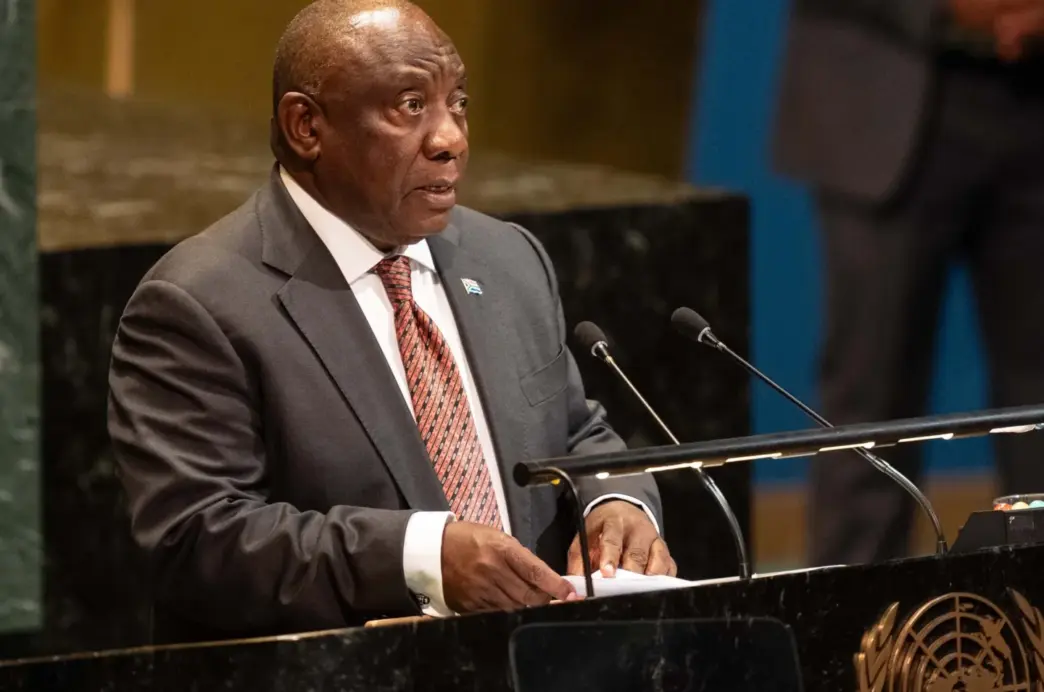
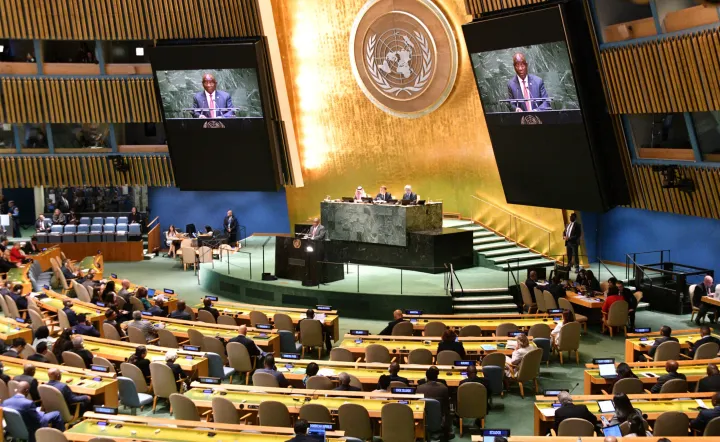
President Cyril Ramaphosa used his address to the United Nations General Assembly (UNGA) on Tuesday, 23 September, to issue a sharp warning about the dangers of weaponising trade. In what many viewed as a veiled criticism of US President Donald Trump’s tariff policies, Ramaphosa declared that “trade is now being used as a weapon against a number of countries.”
“It is concerning that geopolitical shocks and unprecedented trade policy volatility are destabilising the global economy and jeopardising a critical source of development financing,” he cautioned.
He urged a renewed commitment to fair and inclusive trade, stating: “We must redouble our efforts to strengthen the link between trade and development. Unilateral trade practices and economic coercion have a detrimental impact on many nations.”
Highlighting Africa’s ambitions, Ramaphosa pointed to the African Continental Free Trade Area (AfCFTA)—the largest of its kind globally—as “the central pillar of economic cooperation and integration” across the continent.
His remarks came against the backdrop of rising tensions between Pretoria and Washington. Just last month, Trump slapped a 30% tariff on South African exports after Pretoria missed a 1 August deadline to finalise a trade deal with the US.
South Africa had initially tabled a proposal in May, later submitting a revised offer in August. Yet, in the lead-up to the tariff announcement, officials in Pretoria told Reuters that Washington neither responded to these proposals nor engaged meaningfully in negotiations.
Seeking to break the impasse, Ramaphosa dispatched officials from the Department of International Relations and Cooperation (Dirco) and the Department of Trade, Industry and Competition (DTIC) to the US earlier this month. Their mission: to lay the groundwork for renewed discussions.
The following week, DTIC Minister Parks Tau held multiple rounds of talks with Trump administration trade representatives. According to Daily Maverick, Tau struck a hopeful note, saying he was “quite optimistic” that South Africa and the US would eventually “hatch a trade deal.”