Trending

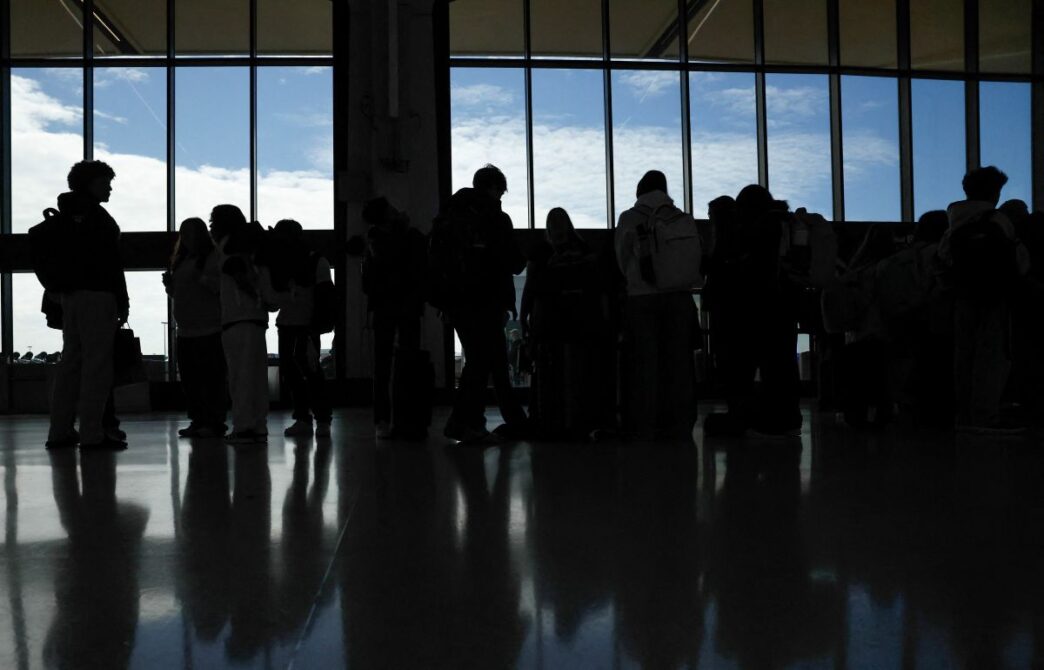
The US State Department has announced a significant expansion of its controversial visa bond programme, requiring citizens from an additional 12 countries to post refundable deposits of up to $15,000 when applying for certain US visas.
The policy takes effect on April 2, 2026, bringing the total number of affected nations to 50.
Under the expanded rules, nationals from Cambodia, Ethiopia, Georgia, Grenada, Lesotho, Mauritius, Mongolia, Mozambique, Nicaragua, Papua New Guinea, Seychelles, and Tunisia will now be required to pay the bond when applying for B‑1 (business) or B‑2 (tourism) visas before travelling to the United States.
The bond is not an additional fee for visa issuance but a financial guarantee meant to reduce visa overstays.
According to a State Department statement, “Nearly 1,000 foreigners have been issued visas under the programme, and 97 per cent of bonded travellers have returned home from the United States on time.” The funds will be refunded to applicants who comply with all visa conditions, including leaving the United States before their authorised stay expires.
If holders overstay their visas or violate the terms, the bond may be forfeited as a sanction, effectively deterring non‑compliance.
The programme, introduced last year, is part of the Trump administration’s broader strategy to tighten immigration controls and curb illegal migration. Critics argue that the requirements disproportionately impact nationals from lower‑income and developing countries, potentially limiting access to temporary US travel.
The original list of 38 countries targeted by the bond policy was largely composed of African nations, and with the latest additions, that focus remains evident. Prior to April 2, all 50 countries must be prepared to meet the bond requirement as part of the visa interview process.
The State Department notes that bond amounts of $5,000, $10,000, or $15,000 are set at the time of the visa interview and depend on an individual assessment. In cases where visa issuance is denied, or applicants choose not to travel or leave the United States on time, the funds are returned in full.
The expansion underscores Washington’s emphasis on stricter immigration oversight, particularly for short‑term visitors, as part of a suite of policies aimed at addressing what officials describe as persistent visa overstay challenges.