Trending
The U.S. Federal Reserve warned on Wednesday that the personal consumption expenditures (PCE) inflation rate is now projected to reach 2.7% by the end of 2026, a significant jump from previous estimates.
This upward revision comes as the central bank held interest rates steady at 3.50% to 3.75%, opting for a cautious approach amid the “uncertain” economic fallout of the conflict in Iran.
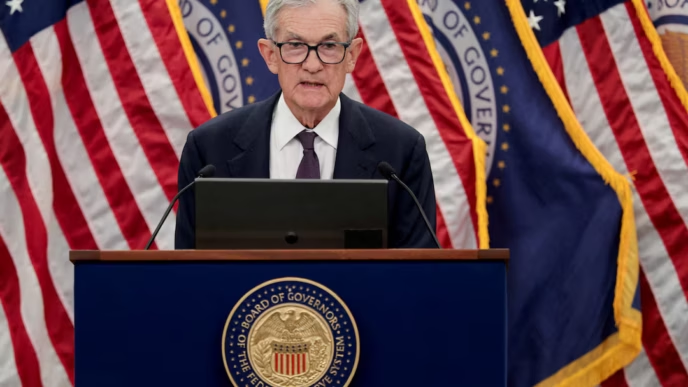
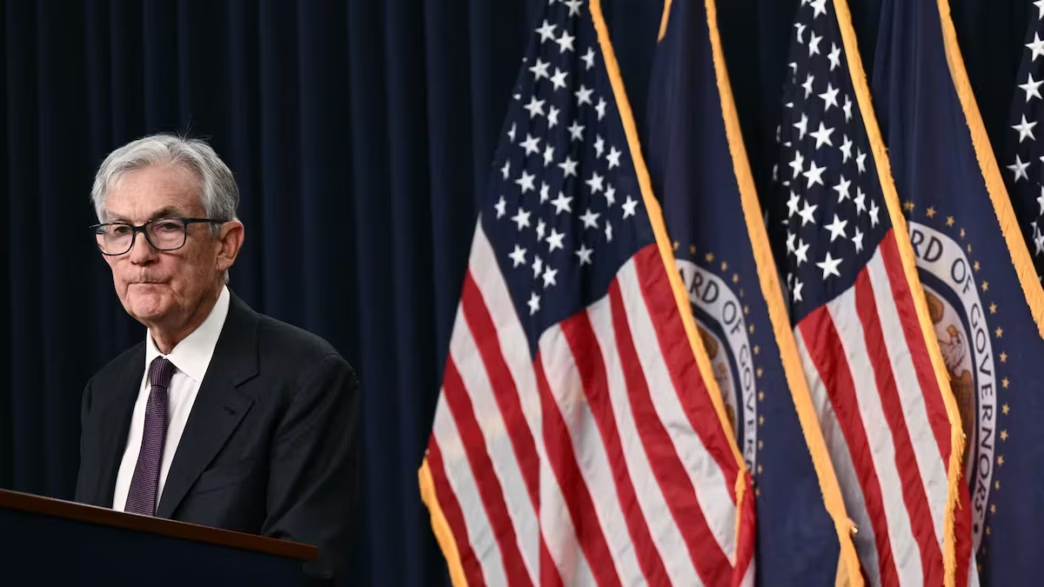
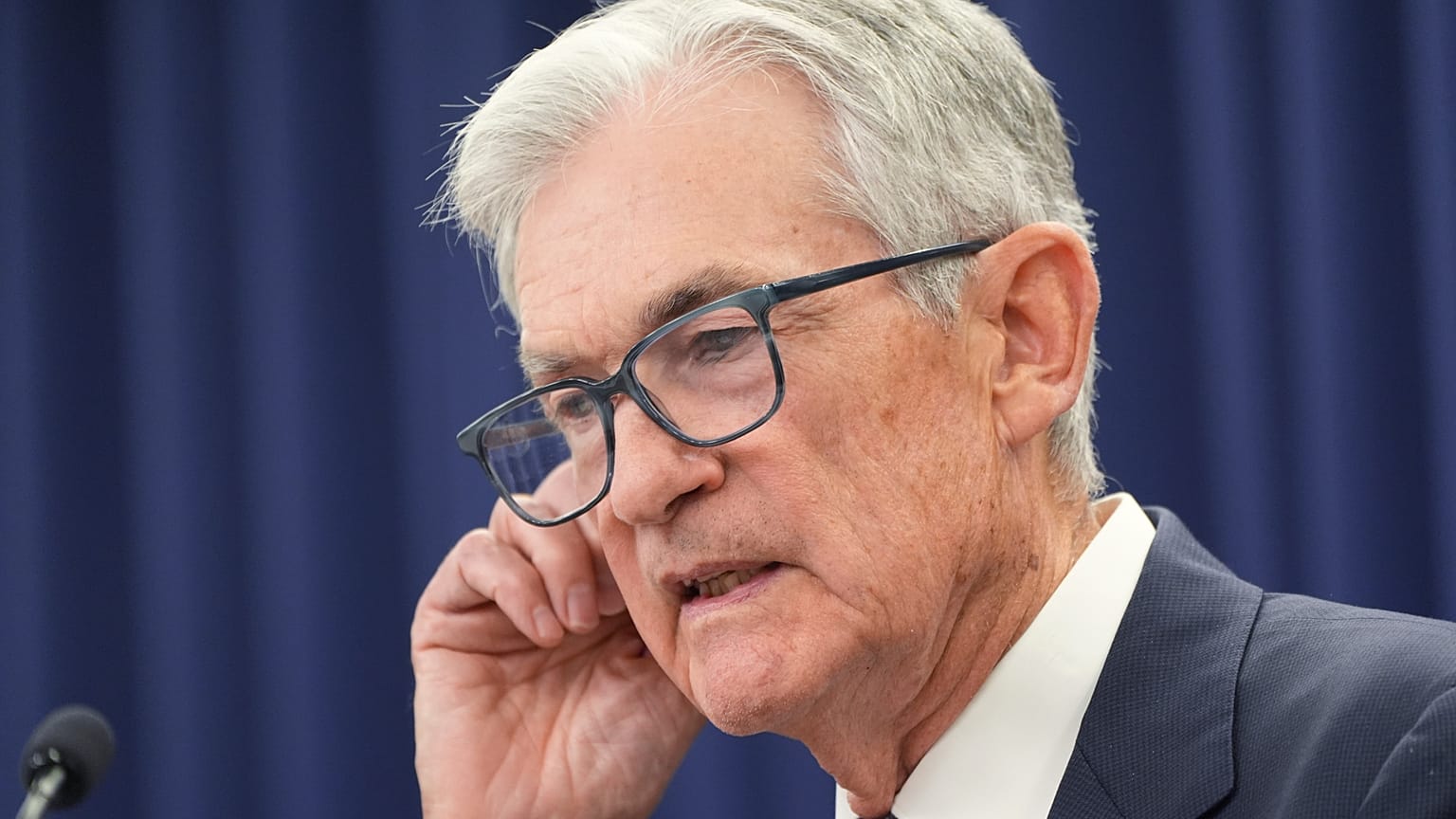
Fed Chair Jerome Powell noted that while skyrocketing energy prices are already driving up costs, the full scope and duration of the war’s impact on the broader American economy remain unclear.
Read Chair Powell’s full opening statement from the #FOMC press conference (PDF): https://t.co/b2lAMEQBGx pic.twitter.com/AMYlFKtJM0
— Federal Reserve (@federalreserve) March 18, 2026
Despite intense pressure from President Donald Trump to slash rates to support a weakening labour market—which unexpectedly lost 92,000 jobs in February—the Fed’s 11-1 vote signalled a prioritisation of price stability.
The lone dissenter, Stephen Miran, argued for an immediate quarter-point cut.
However, the majority of policymakers emphasised that the current “wait-and-see” stance is the most prudent response to a geopolitical crisis that has pushed nationwide gas prices to an average of $3.84 per gallon.
In addition to economic navigation, Powell addressed the ongoing political and legal friction with the White House.
He confirmed he has no intention of stepping down from the Fed board when his term as chair expires in May, vowing to remain until a Justice Department investigation into the bank’s headquarters renovations is completed.
With U.S. stock markets tumbling in response to the hawkish inflation outlook, the Fed remains locked in a difficult balancing act between controlling rising prices and preventing a deeper contraction in growth.