Trending
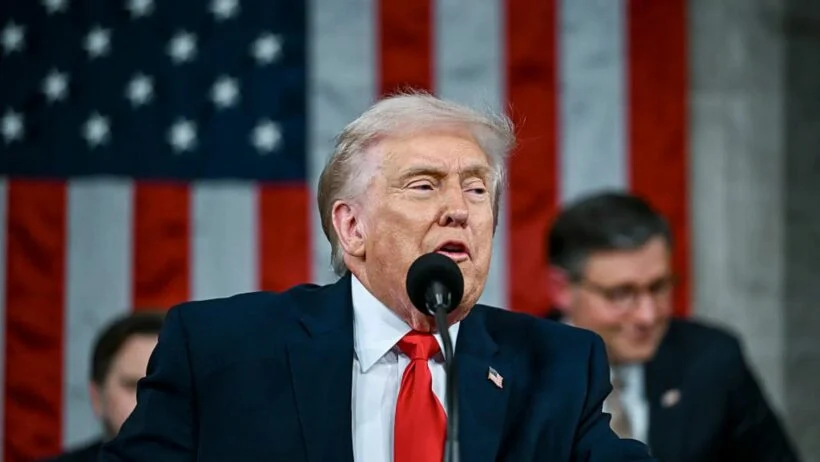
The United States and Iran reached a critical two-week ceasefire agreement on Tuesday, narrowly avoiding a massive military escalation.
The deal was finalised just an hour before President Donald Trump’s deadline to initiate wide-scale strikes against Iranian infrastructure.
As part of the arrangement, Tehran has committed to the temporary reopening of the Strait of Hormuz, a vital maritime gateway for 20% of the world’s oil supply that had been sealed since late February.
Statement on behalf of the Supreme National Security Council of the Islamic Republic of Iran: pic.twitter.com/cEtBNCLnWT
— Seyed Abbas Araghchi (@araghchi) April 7, 2026
Both nations have framed the pause as a strategic triumph.
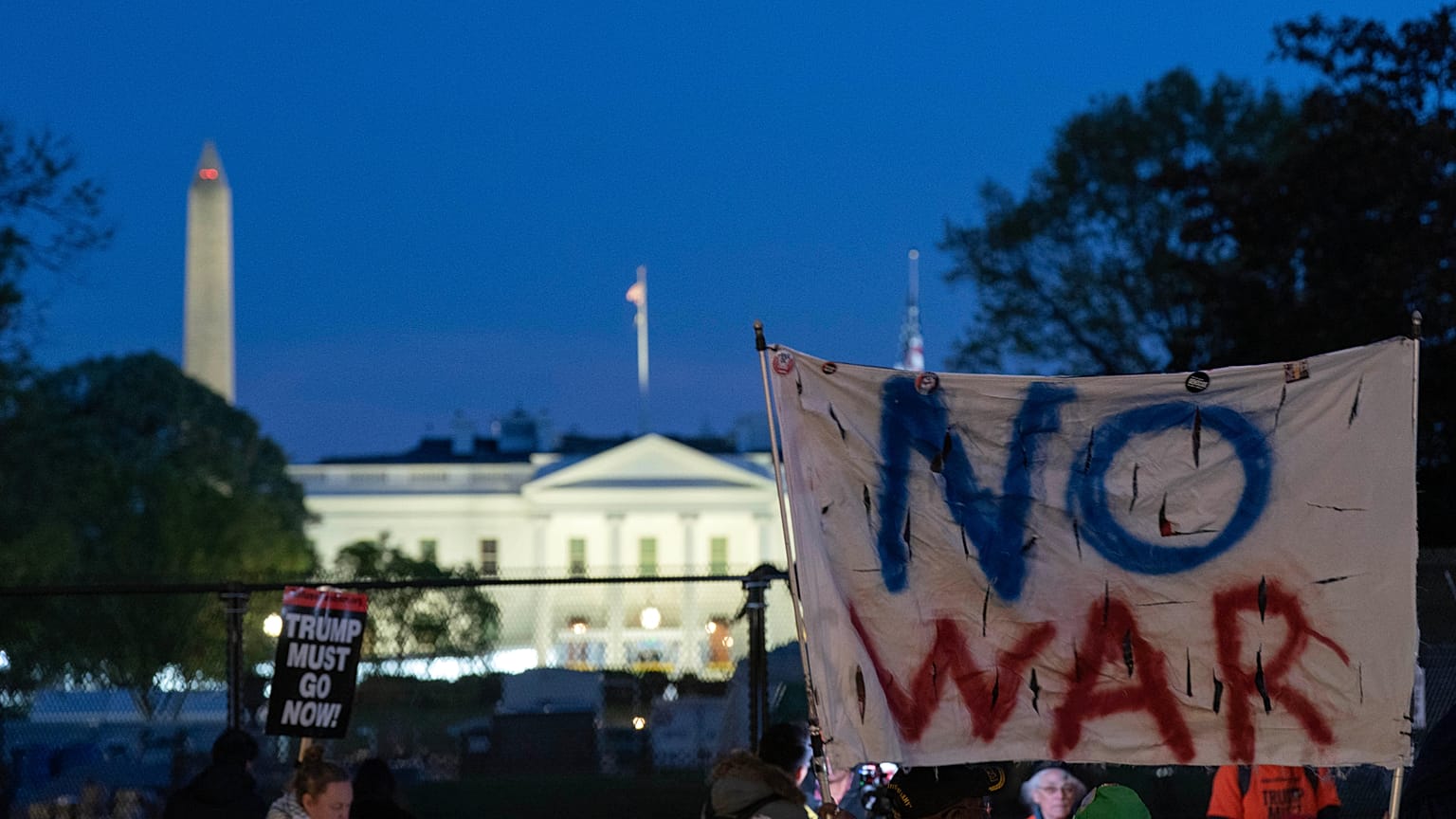
President Trump described the development as a “total victory” for the U.S., while Iran’s Supreme National Security Council claimed to have handed the U.S. an “undeniable defeat.”
While Israel has also agreed to the truce, Prime Minister Benjamin Netanyahu clarified that the ceasefire does not extend to Lebanon, where ongoing operations against Hezbollah have reportedly resulted in over 1,500 fatalities.
The announcement had an immediate impact on global markets, with oil prices plunging more than 17% and Asian stock markets surging in early trade.
Despite the current de-escalation, long-term stability remains uncertain.
Iran’s 10-point plan for a permanent deal includes maximalist demands such as the total removal of U.S. forces from the region and the lifting of all sanctions, while Trump insists that any final agreement must “take care of” Iran’s uranium enrichment programme.
Formal negotiations are scheduled to begin this Friday in Pakistan.