Trending
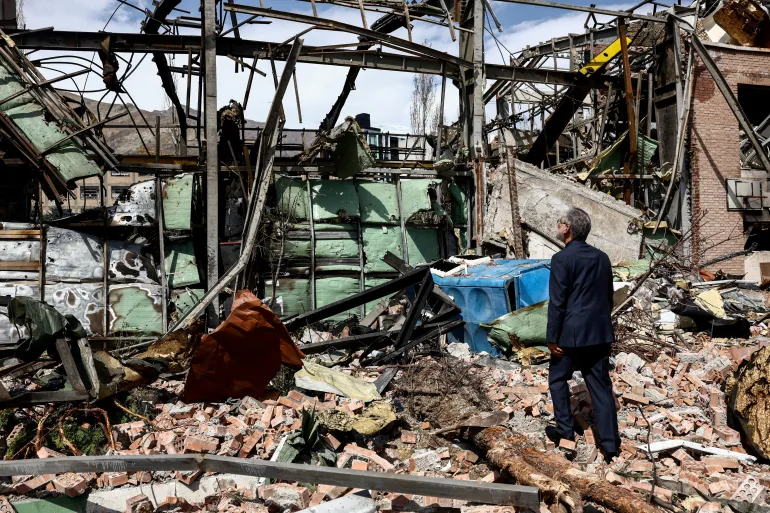
Tensions in the Middle East reached a breaking point on Monday as a coordinated military campaign by the United States and Israel struck at least a dozen Iranian cities.
The attacks, which killed at least 34 people, including six children, targeted critical infrastructure, residential areas, and academic institutions.
The escalation follows a deadline set by President Donald Trump demanding the full reopening of the Strait of Hormuz, a vital maritime artery that has been effectively blockaded for weeks.
The strikes caused significant destruction at Tehran’s Sharif University, a premier scientific institution, where laboratories and a campus mosque were severely damaged.
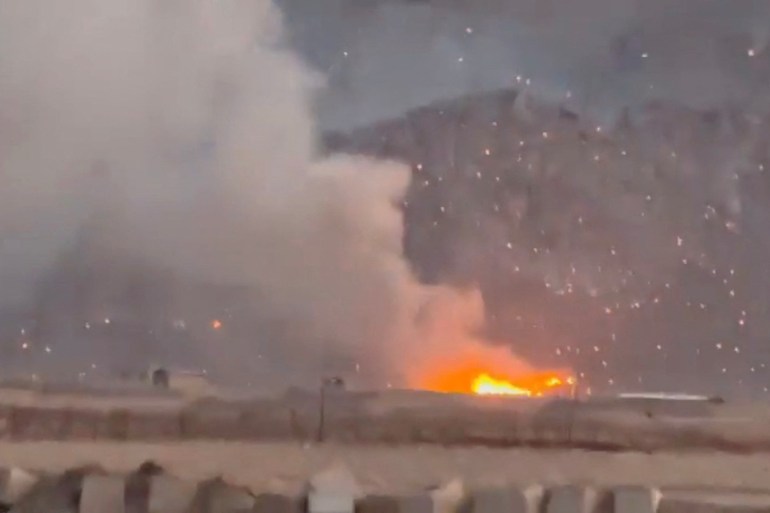
Iranian officials condemned the use of “bunker-buster” bombs on the facility, characterising the act as an assault on global science.
Additionally, the Israeli military confirmed the destruction of a major petrochemical complex in Asaluyeh, which accounts for half of Iran’s production, and reported the deaths of high-ranking intelligence and Quds Force commanders.
International humanitarian organisations expressed grave concern after reports emerged that medical workers and ambulances were caught in the crossfire.
The International Federation of Red Cross and Red Crescent Societies noted that four volunteers have lost their lives since the conflict began on February 28.
Meanwhile, Iran’s atomic energy agency denounced strikes near nuclear power facilities, labelling the aggression a “crime against human health” and science.
In response to the air raids, Iran launched multiple missile volleys targeting Israeli cities, including Tel Aviv and Haifa, where casualties and property damage were reported.
While diplomatic mediators from Pakistan have proposed an ambitious plan to end the hostilities, Tehran has rejected the current 15-point U.S. proposal.
Iranian leadership maintains that the Strait of Hormuz will not be reopened in exchange for anything less than a permanent end to the war and a guarantee against future domestic attacks.