Trending


The US Department of Health and Human Services (HHS) has proposed several regulatory measures to enforce President Trump’s Executive Order directing the agency to stop sex-rejecting procedures involving children.
HHS said the practices expose minors to permanent and irreversible harm. The agency explained that the procedures involve medical or surgical interventions intended to alter a child’s physical characteristics to align with an asserted identity different from their biological sex.
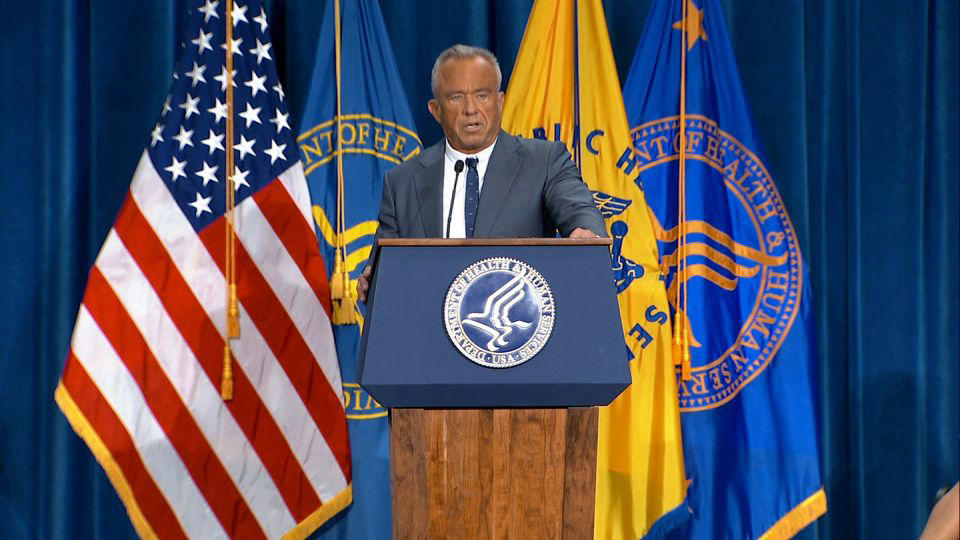
As part of the plan, the Centres for Medicare & Medicaid Services (CMS) will issue a notice of proposed rulemaking to bar hospitals from performing sex-rejecting procedures on individuals under 18 if they wish to retain eligibility for Medicare and Medicaid.
HHS noted that nearly all hospitals in the United States depend on these federal programmes, and the proposal aims to prevent government engagement with institutions that cause lasting harm to children.
CMS is advancing the proposal under sections 1861(e)(9), 1871, and 1905(a) of the Social Security Act, which authorise the agency to set safety and health standards for hospitals participating in Medicare and Medicaid.
CMS also plans a separate proposed rule to block federal Medicaid funding for sex-reassigning procedures on minors under 18 and to restrict Children’s Health Insurance Program funding for individuals under 19.
Currently, Medicaid does not cover these procedures in 27 states.
HHS warned that treatments such as puberty blockers, cross-sex hormones and surgeries may lead to permanent effects, including infertility, reduced sexual function, weakened bone density, impaired brain development and other long-term physical harm.
Health and Human Services Secretary Robert F. Kennedy Jr, citing an HHS peer-reviewed report, said the procedures do not meet professionally recognised standards of healthcare and added that practitioners who perform them on minors would be considered non-compliant.
He said the federal government would act decisively to stop what he described as unsafe and irreversible practices that place children at risk.
CMS Administrator Dr Mehmet Oz said children require protection from experimental interventions that carry life-altering risks without reliable evidence of benefit, adding that participating hospitals must comply with federal programme standards designed to safeguard children’s health.
Separately, the US Food and Drug Administration has issued warning letters to 12 manufacturers and retailers accused of illegally marketing breast binders to children for gender dysphoria. FDA Commissioner Dr Marty Makary said the agency would take further enforcement action, including seizures and injunctions, if the practice continues.
HHS is also moving to reverse a Biden-era effort to classify gender dysphoria as a disability.
Deputy Secretary Jim O’Neill said the earlier interpretation misapplied the law and that the new rule would restore regulatory clarity for organisations receiving federal funds.
Assistant Secretary for Health Admiral Brian Christine said evidence shows that sex-rejecting puberty blockers, hormones and surgeries pose serious risks, and that healthcare providers must rely on evidence-based care.
HHS added that claims data show nearly 14,000 minors underwent sex-rejecting procedures between 2019 and 2023, as outlined in its peer-reviewed report on treatment for paediatric gender dysphoria.