Trending
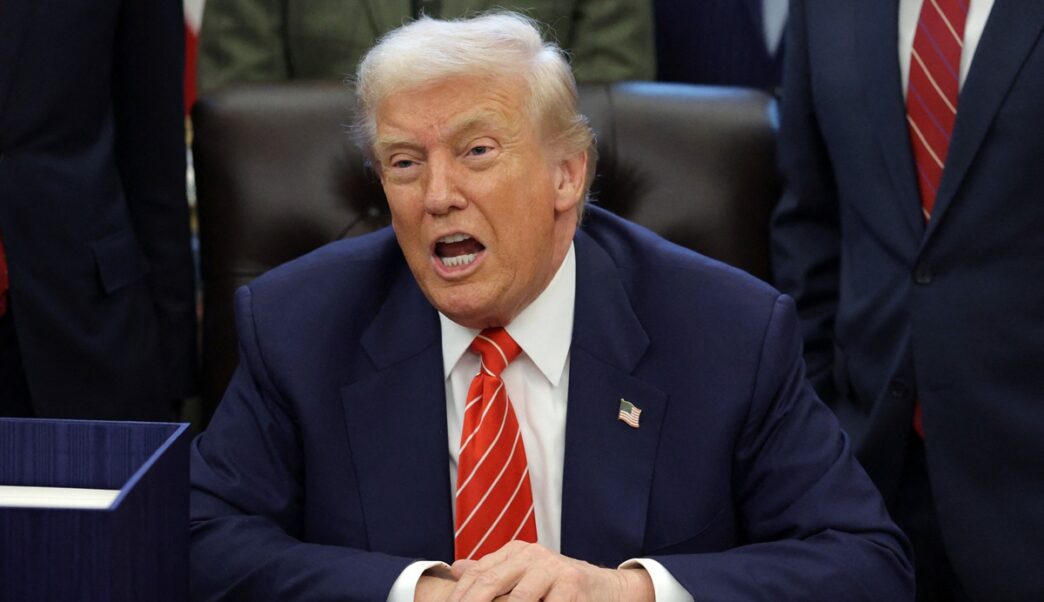
The United States has imposed sanctions on eight Nigerians over alleged links to Boko Haram, the Islamic State of Iraq and the Levant (ISIL), and cybercrime-related activities.
The measures were disclosed on Monday in a statement dated February 10 by the US Treasury Department’s Office of Foreign Assets Control (OFAC), which published the names in its Specially Designated Nationals and Blocked Persons list.
The designation freezes any assets the individuals may have within US jurisdiction and bars American citizens and entities from conducting business with them.
According to OFAC, the list serves as a formal notice of enforcement actions taken against individuals and entities whose property and interests have been blocked under various sanctions programmes, particularly those targeting terrorism financing and other security threats.
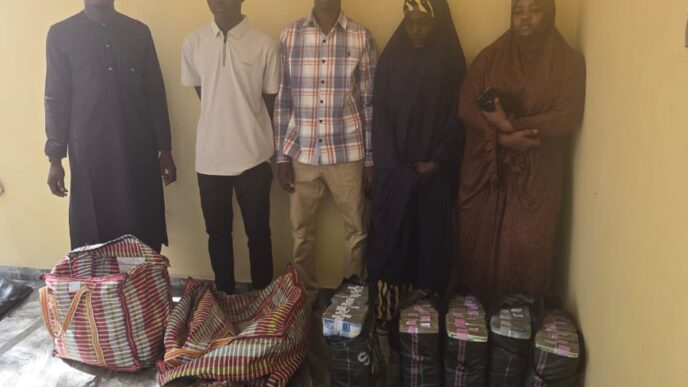
Among those named is Salih Yusuf Adamu, also known as Salihu Yusuf, who was identified as having ties to Boko Haram. He was previously convicted in the United Arab Emirates alongside five others for attempting to channel hundreds of thousands of dollars from Dubai to support insurgents in Nigeria.
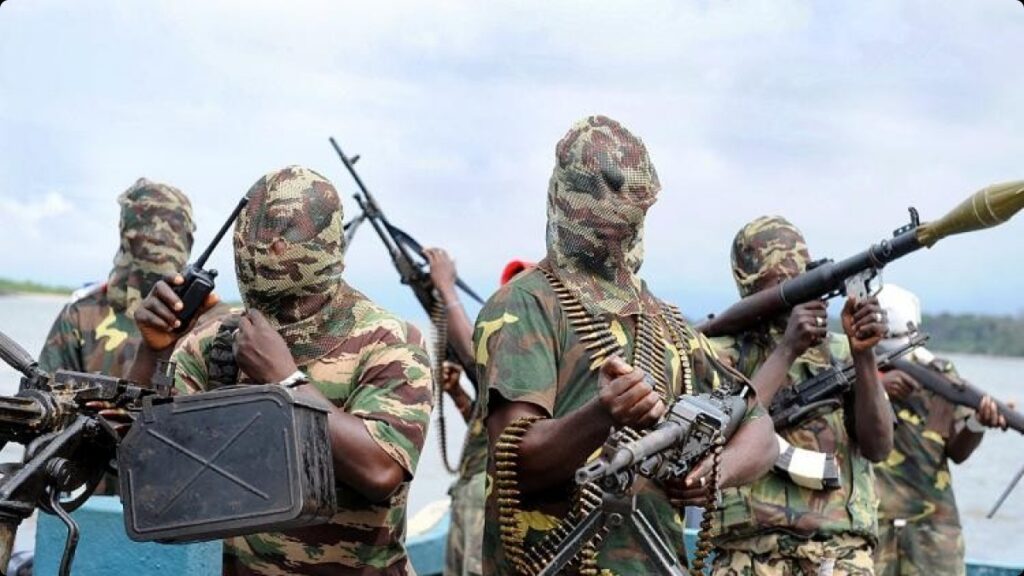
Babestan Oluwole Ademulero, listed under counterterrorism sanctions, was also designated under multiple aliases. Others sanctioned include Abu Abdullah ibn Umar Al-Barnawi, Abu Musab Al-Barnawi, Khaled Al-Barnawi, Ibrahim Ali Alhassan, and Abu Bakr ibn Muhammad ibn Ali Al-Mainuki, all cited for alleged involvement with Boko Haram or ISIL.
Nnamdi Orson Benson was separately listed under cyber-related sanctions.
US lawmakers had recently recommended visa bans and asset freezes for certain individuals and groups accused of human rights violations.
Under US Executive Order 13224, individuals designated for terrorism-related activities face asset freezes and restrictions on financial transactions.
The US formally classified Boko Haram as a foreign terrorist organisation in 2013, citing the group’s deadly campaign across northern Nigeria and the wider Lake Chad Basin since 2009.
The latest sanctions reveal Washington’s ongoing efforts to curb terrorism financing and cyber threats linked to Nigeria and the broader region.