Trending
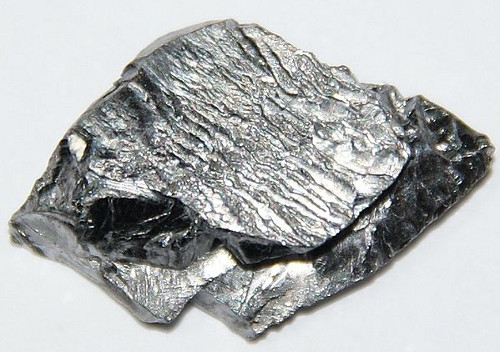
The United States (U.S.) has gained access to the vast Tatalum reserves in the Democratic Republic of Congo (DRC), a move that has secured the U.S’s position at the centre of one of the world’s most strategic mineral regions.
The DRC holds some of the world’s largest deposits of tantalum, a rare mineral used in electronics, aerospace and defence, and the production of medical devices such as implants and surgical tools. Tantalum does not occur in pure metallic form in nature, but is present in a variety of minerals, such as Coltan.
This was confirmed to Reuters by a senior Congolese official and a U.S diplomat, who disclosed that the Rubaya mining area was included on a shortlist presented during a February meeting in Washington between DR Congo and the U.S, two months before both countries signed a Strategic Minerals Cooperation Agreement.
The agreement includes a peace framework for the mineral-rich country, which has been rife with violence for years. This pact makes the DRC a strategic partner of the U.S. in securing critical minerals needed for modern technology and the energy transition.
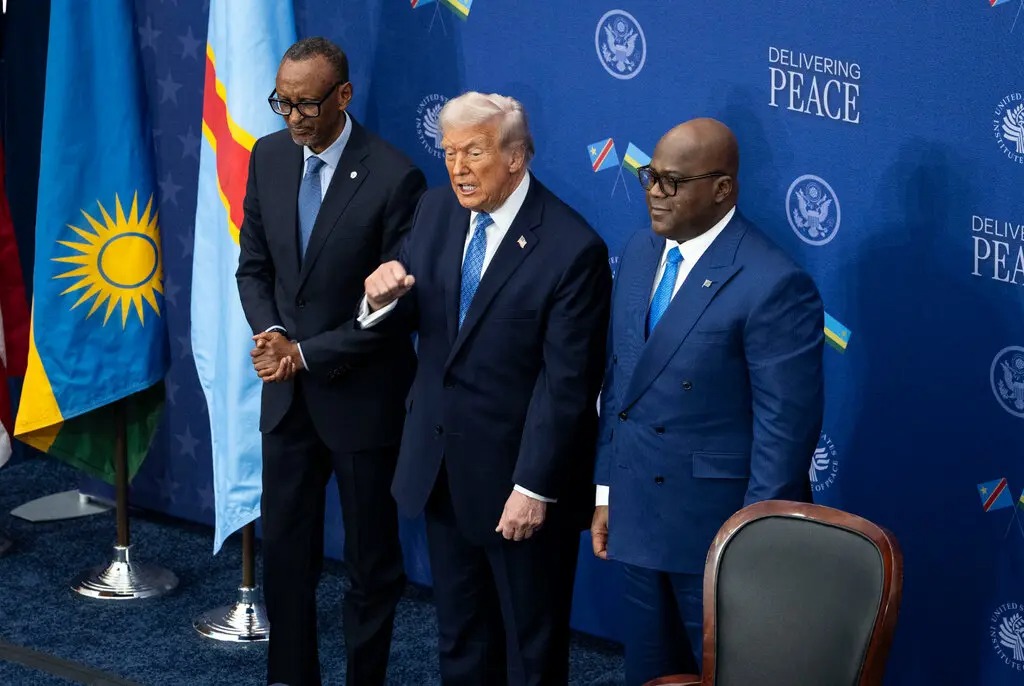
Experts have linked this pact between the two countries to the U.S’s foreign policy strategy, in which economic partnerships are increasingly tied to conflict resolution and long-term geopolitical influence.
Beyond this mineral partnership, the U.S. has moved to broker peace between DR Congo and neighbouring Rwanda. The conflict between the DRC and Rwanda is rooted in the aftermath of the 1994 Rwandan genocide. It has evolved into a long-running regional crisis centred in eastern Congo.
DR Congo produces a large share of the worldworld’salum, with Rubaya in North Kivu accounting for around 15% of global output and tantalum concentrations of 20–40%. In 2023, the country produced an estimated 400 metric tons of tantalum. However, parts of North Kivu province are under the control of the AFC/M23 rebels, a rebel group operating in eastern DRC.
The rebel groups’ acts have complicated the country’s trade and exports.