Trending
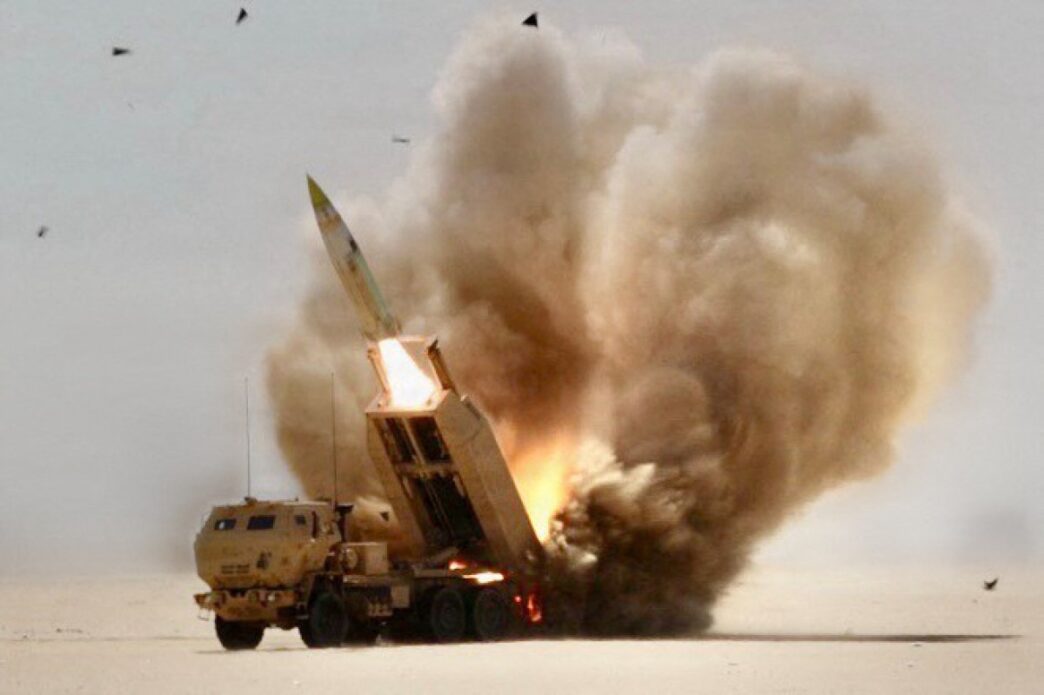
The ongoing US-Israeli conflict with Iran, which has now entered its third week, continues to evolve with no definitive end in sight, according to US Defence Secretary Pete Hegseth, who said on Thursday that there is no set “time frame” for concluding the war, emphasising that the decision will ultimately rest with President Donald Trump.
Speaking at a news conference, Hegseth explained, “We wouldn’t want to set a definitive time frame,” adding that the war’s conclusion would depend on when the President believes that the objectives have been achieved.
Hegseth’s comments come as reports reveal that the Pentagon has requested an additional $200 billion from Congress to fund the conflict.
“As far as $200 billion, I think that number could move. Obviously, it takes money to kill bad guys,” Hegseth remarked, acknowledging the high financial cost of the war.
He further clarified that the funding request would be presented to Congress to ensure the military is adequately resourced for the ongoing efforts and potential future needs.

General Dan Caine, the top US military officer, detailed some of the weapons being deployed against Iran and its allies in the region. Caine confirmed that A-10 Warthogs, renowned for their ability to provide close air support, are actively targeting fast-attack watercraft in the strategic Strait of Hormuz, a key waterway that Iran has effectively closed to maritime traffic.
Additionally, AH-64 Apache helicopters are being used in Iraq to target Iran-aligned militia groups, and some US allies are now using these attack helicopters to combat one-way drones launched by Tehran.
The Pentagon’s request for $200 billion in additional funds is seen as a substantial increase over previous military appropriations and comes just after President Trump’s tax cut bill passed last year.
However, there is uncertainty surrounding the support this massive request will receive in Congress. Lawmakers are bracing for further spending discussions, although it remains unclear whether the White House has formally transmitted the request for consideration.
With no clear end to the conflict in sight and escalating costs, the US administration will face increasing scrutiny from both Congress and the public about the long-term financial and strategic implications of its military actions.