Trending
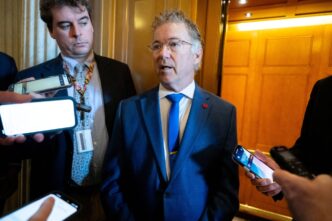

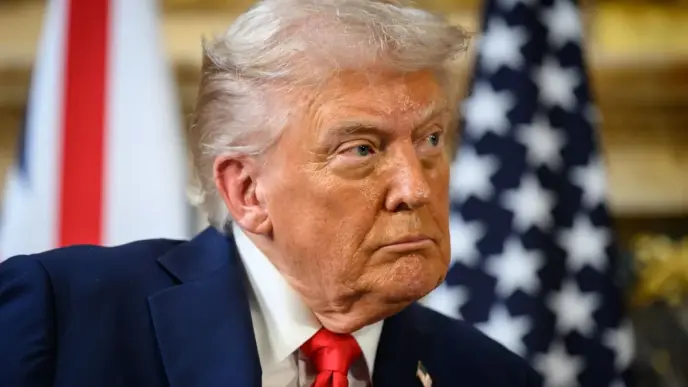
The US Senate on Thursday advanced a significant resolution aimed at limiting President Donald Trump’s military involvement in Venezuela—a rare instance of bipartisan criticism following concerns over the clandestine capture of leader Nicolas Maduro.
The legislation, led by Democrats, prohibits any further US military actions against Venezuela without clear approval from Congress and successfully passed a critical procedural vote with backing from five Republicans.
The expected final vote, scheduled for next week, is now regarded as a mere formality and would represent one of the most assertive demonstrations of Congress’s war powers in many years.
However, the initiative is primarily seen as symbolic, as the resolution faces considerable challenges in the House of Representatives and is unlikely to withstand a probable veto from Trump.
This development came after a marked increase in US military actions, which included air and naval strikes as well as the nighttime apprehension of Maduro in Caracas, actions that lawmakers from both parties stated exceeded a limited law-enforcement response and unmistakably entered the realm of warfare.
“Less than courageous members of Congress fall all over themselves to avoid taking responsibility, to avoid the momentous vote of declaring war,” said Senator Rand Paul, the Kentucky Republican who broke with much of his party to co-sponsor the measure.
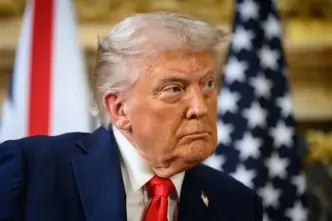
Trump said in an interview published Thursday that the United States could run Venezuela and tap into its oil reserves for years, telling The New York Times, “only time will tell” how long Washington would demand direct oversight of the South American nation.
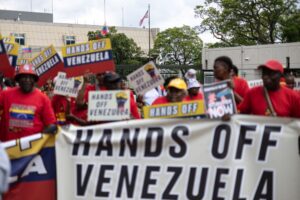
Democrats are framing the resolution as a constitutional line in the sand after what they described as months of misleading briefings, including assurances from the administration as recently as November that it had no plans for strikes on Venezuelan soil.
The administration has argued the Maduro operation was legally justified as part of a broader campaign against transnational drug trafficking, characterising it as a battle with cartels designated as terrorist organisations.
Republican leaders largely defended the president, touting his authority to conduct limited military actions in defence of US national security.
“This is something that should have taken place, probably in a previous administration,” Senator Markwayne Mullin of Oklahoma told reporters Wednesday.
“Only President Trump had the backbone to pull it off, to pull out an indicted, illegitimate president that was holding Venezuela hostage.”
Since Trump resumed his presidency, war powers resolutions concerning Venezuela have been turned down twice in both the Senate and the House.
Over the past hundred years, only one congressional resolution has effectively established a comprehensive, enduring restriction on the president’s unilateral military actions overseas: the War Powers Resolution of 1973, enacted despite a veto from then-president Richard Nixon.