Trending
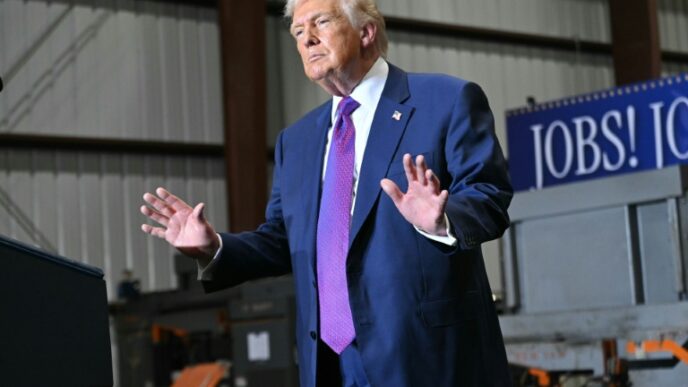
The United States Supreme Court on Friday dealt a significant legal blow to former President Donald Trump’s trade strategy by ruling that he exceeded his authority when he imposed sweeping tariffs on a broad swath of imports.
In a 6‑3 decision, the conservative‑majority high court concluded that the International Emergency Economic Powers Act (IEEPA) “does not authorise the President to impose tariffs.”
The ruling affirms long‑standing constitutional principles that grant Congress, not the executive, the primary authority to levy taxes and duties on trade.
Chief Justice John Roberts, writing for the majority, emphasised that if Congress had intended to give the president “the distinct and extraordinary power to impose tariffs,” it “would have done so expressly, as it consistently has in other tariff statutes.” The opinion noted that IEEPA contains no reference to levying import taxes and that the words in the statute cannot reasonably be interpreted as granting such authority.
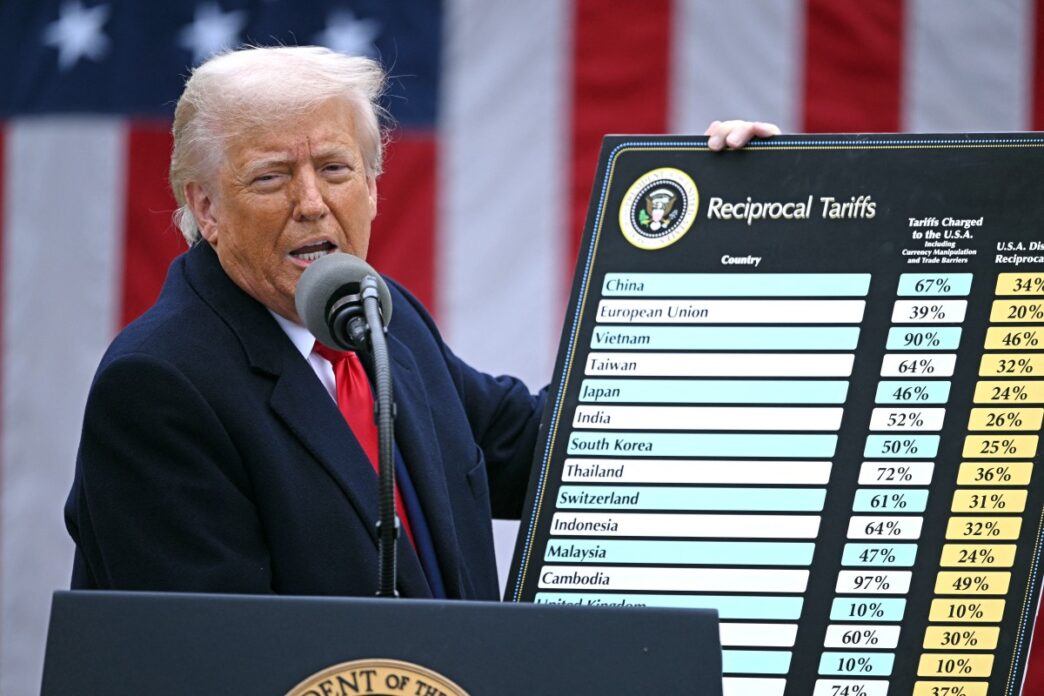
Trump, who revived his use of tariffs upon returning to the presidency last year, imposed import duties on virtually all US trading partners under emergency economic powers, introducing so‑called “reciprocal” tariffs in response to trade practices the administration deemed unfair.
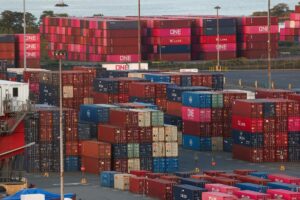
He also imposed separate levies targeting major partners, including Mexico, Canada and China, over issues ranging from immigration to illicit drug flows. Those measures have been central to his broader economic agenda and were characterised by his supporters as leverage in global negotiations.
Lower courts had already found that these tariffs violated the law, with one trade court ruling in May that the broad levies exceeded presidential authority and blocking most of them from taking effect. That injunction had been stayed pending appeal, but Friday’s Supreme Court judgment effectively upholds those earlier decisions by declaring the tariffs unlawful.
The ruling, while a setback for Trump’s use of emergency powers, does not affect sector‑specific duties he imposed separately on steel, aluminium and other goods under different legal frameworks. Formal investigations that could lead to more such tariffs remain underway, and the administration may seek alternative statutory routes to preserve some measures.