Trending
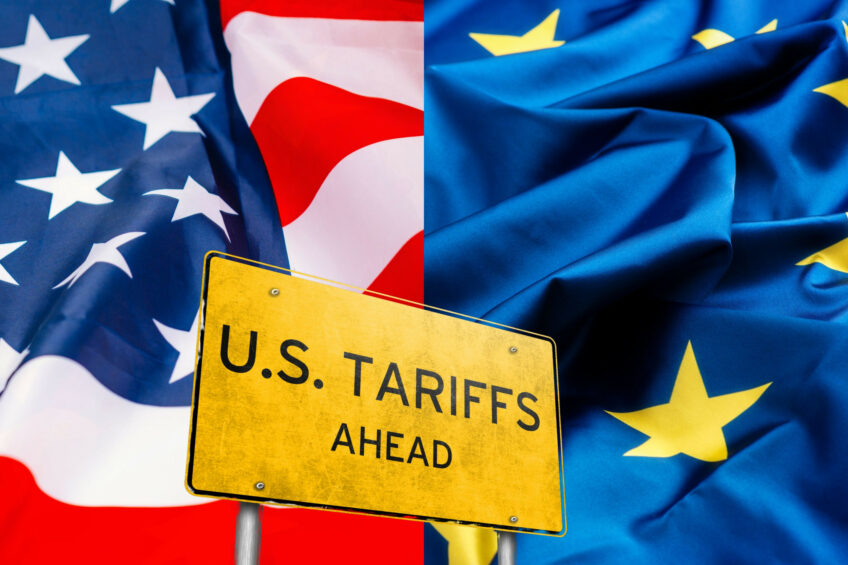
Economic growth in southeast Europe is likely to come under pressure next year from US tariffs, rising Chinese competition, and government budget constraints, the European Bank for Reconstruction and Development (EBRD) warned on Thursday.
The London-based lender slightly downgraded its 2026 growth forecast for its regions while raising its expectations for growth this year.
“The first pressure point everybody has been thinking about is access to the US market,” Beata Javorcik, the EBRD’s chief economist, told AFP.
Exports from EBRD member states to the United States rose in the first quarter of the year as businesses rushed to ship goods before President Donald Trump’s tariffs took effect, but they declined in the second quarter.
“These averages, however, hide significant differences between countries,” Javorcik noted.

For instance, Kazakhstan saw higher exports of silver and gold bullion to the US, while Hungary benefited from increased shipments of pharmaceuticals and computers. By contrast, Slovenia’s exports were hit hard due to its integration into Switzerland’s pharmaceutical supply chains, with Swiss imports to the US facing a 39% tariff.
The EBRD now expects 3.1% growth in 2025, slightly up from its May forecast of 3.0%. However, the bank revised its 2026 growth forecast downwards to 3.3%, citing weaker prospects in Romania and the Balkans.
The institution also highlighted challenges from intensifying Chinese competition in global export markets and the limited fiscal space available to governments in the region.
Earlier this week, the OECD said the global economy is set to grow faster than previously predicted this year after absorbing the initial shock of Trump’s tariffs, though it warned that the full impact remains uncertain.
Founded in 1991 to support the transition of former Soviet bloc nations to market economies, the EBRD has since expanded its operations to parts of the Middle East and North Africa.