Trending
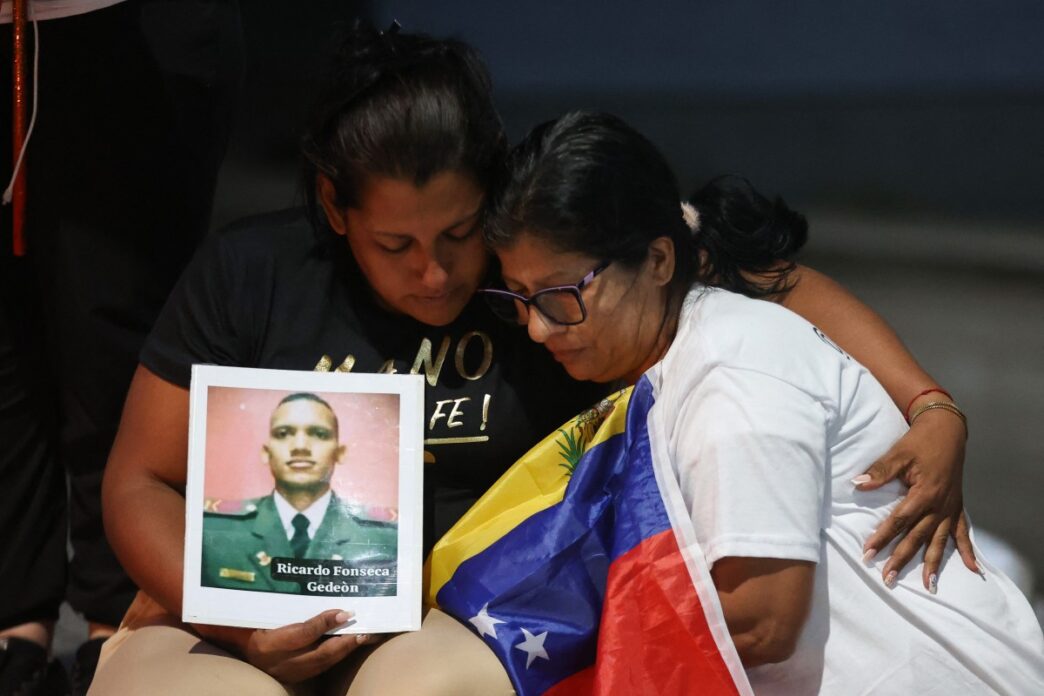
Venezuela’s National Assembly has approved a landmark amnesty law that could lead to the release of hundreds of political prisoners, predominantly those jailed for opposing the government.
The bill, signed by interim President Delcy Rodriguez on Thursday, has long been awaited, offering a glimmer of hope for families seeking the return of loved ones imprisoned for political reasons.
However, the law excludes individuals convicted of promoting military action against the government, which could include high-profile opposition leaders such as Nobel Peace Prize winner Maria Corina Machado. Machado has been accused by the ruling party of calling for foreign intervention, which the government claims contributed to the ousting of former President Nicolas Maduro.
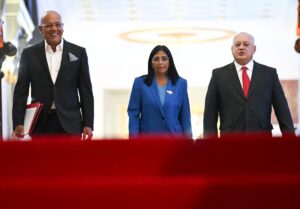
Rodriguez, who assumed power after Maduro’s capture in a US military raid on January 3, expressed that, “One must know how to ask for forgiveness and one must also know how to receive forgiveness” during the bill’s signing ceremony in Caracas. This gesture is seen as part of her efforts to secure international backing, particularly from Washington.
In one of the first releases after the law’s passage, former National Assembly Vice President Juan Pablo Guanipa, who had been imprisoned for almost nine months, posted on social media about his freedom, thanking Venezuelans for their efforts. He criticised the law for not being a true amnesty, as it leaves many political prisoners and exiles out of its scope.
The bill is set to apply retroactively from 1999, including covering events such as the 2002 oil strike and the 2024 riots against Maduro. But there are concerns about its selective implementation. Critics fear that the law could be used by the government to pardon its own members while selectively denying amnesty to genuine prisoners of conscience.
The law’s exclusion clause lists individuals involved in armed actions against Venezuela, including foreign states, corporations, or individuals. Human rights experts have voiced their concerns, urging the law to be limited to victims of human rights violations, and warning that those accused of crimes against humanity should not be granted amnesty.
Despite the law’s passage, the situation remains tense, with more than 600 political prisoners still detained, many of whom have endured reports of torture and mistreatment.