Trending
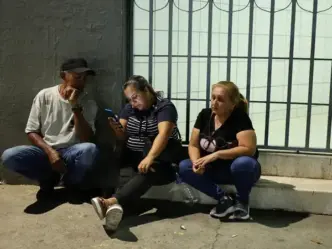
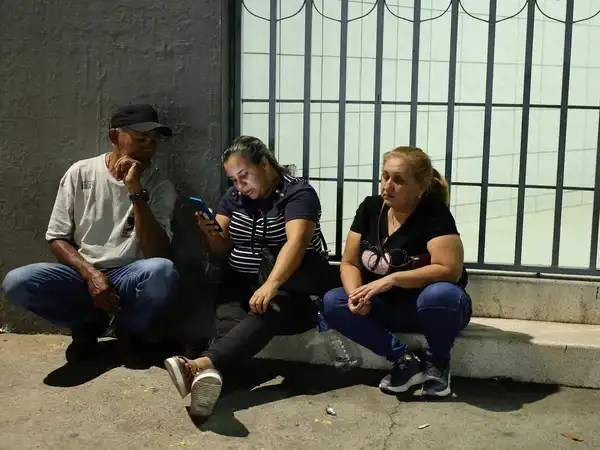
More than 200 political prisoners at Venezuela’s Rodeo I prison launched a hunger strike on Sunday, demanding their release under a newly enacted amnesty law.
The protest began on Friday night as inmates realised that the legislation—designed to free political detainees following the ouster of former President Nicolás Maduro—contains specific exclusions that leave many of them behind bars.
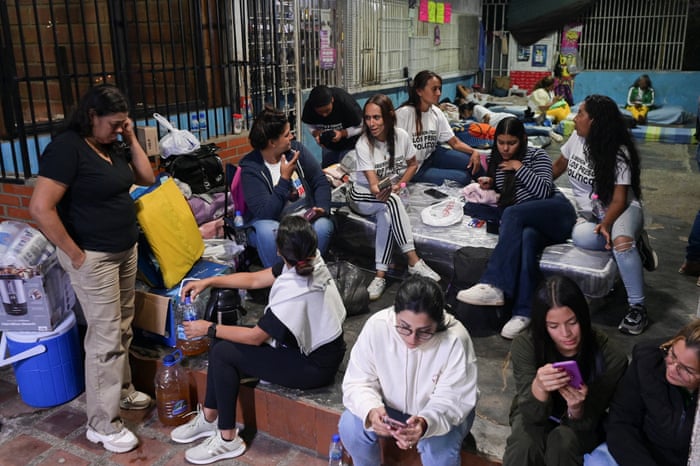
From outside the facility, located east of Caracas, families reported hearing the strikers’ desperate cries for freedom echoing through the prison walls.
The hunger strike highlights a growing controversy over the scope of the amnesty law, which the National Assembly approved on Thursday.
While the law aims to reconcile the nation after Maduro’s capture by U.S. forces in January, it explicitly excludes individuals accused of terrorism and members of the military.
These categories represent a large portion of the population at Rodeo I, including foreign nationals like Argentine police officer Nahuel Agustín Gallo, whose family argues that such charges were politically motivated.
Interim President Delcy Rodríguez, who assumed power following the U.S. military raid that sent Maduro to New York for trial, has faced significant pressure to balance reconciliation with legal accountability.
While the government claims the law covers roughly 11,000 people—mostly those already on parole or under house arrest—human rights groups like Foro Penal have criticised the “carve-outs.”
They argue that the very crimes used by the previous administration to silence dissent are the ones now being used to justify continued detention.
Despite the tension, Sunday brought the first signs of international oversight and a few moments of relief.
A team from the International Committee of the Red Cross (ICRC) was granted rare access to Rodeo I to monitor the health of the hunger strikers, a move seen as a positive step toward transparency.
Simultaneously, about two dozen prisoners were released from the facility throughout the day. These men were greeted with applause and tears by relatives who had waited years for their return, even as the hundreds remaining inside vowed to continue their strike until the amnesty is applied to all.