Trending
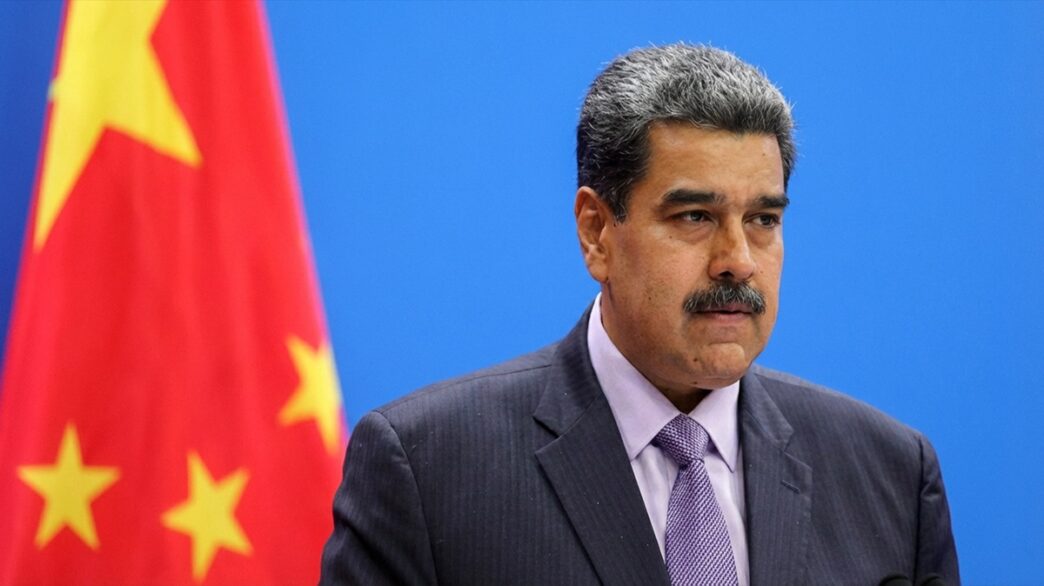
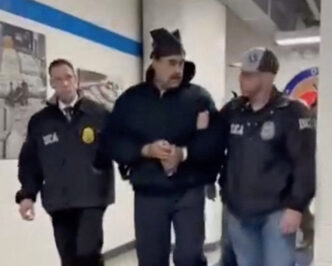
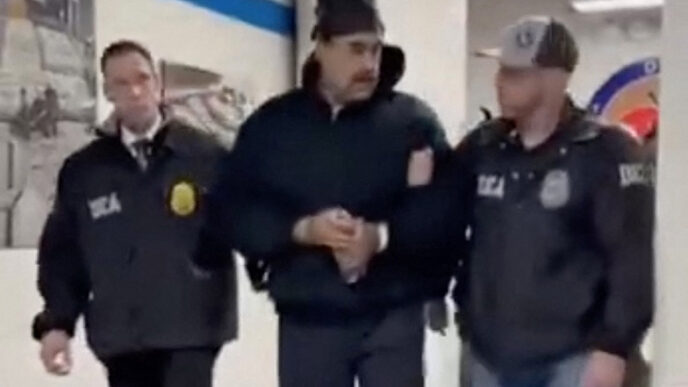
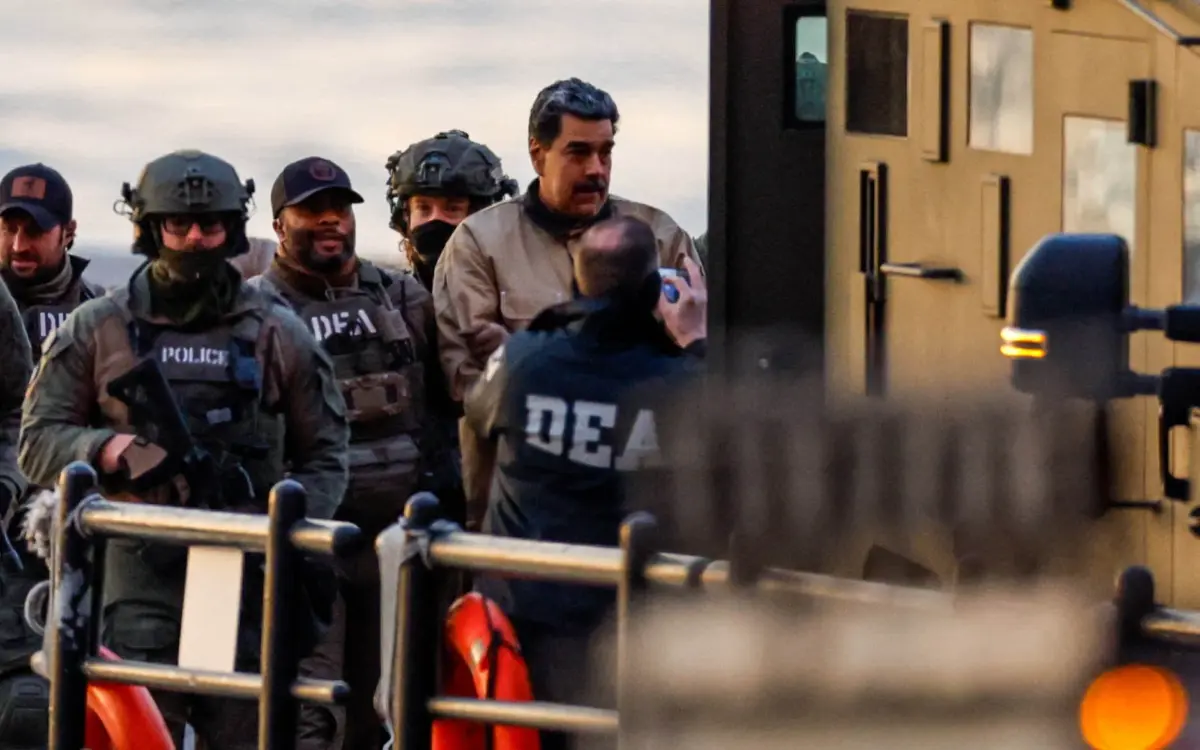
Deposed Venezuelan president Nicolás Maduro is expected to make his first appearance in a New York court on Monday, days after being captured in Caracas during a US military operation.
Maduro, 63, is facing narcotrafficking charges alongside his wife, Cilia Flores.
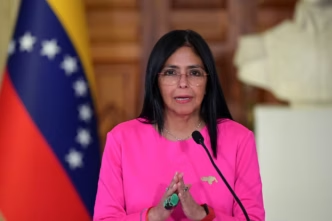
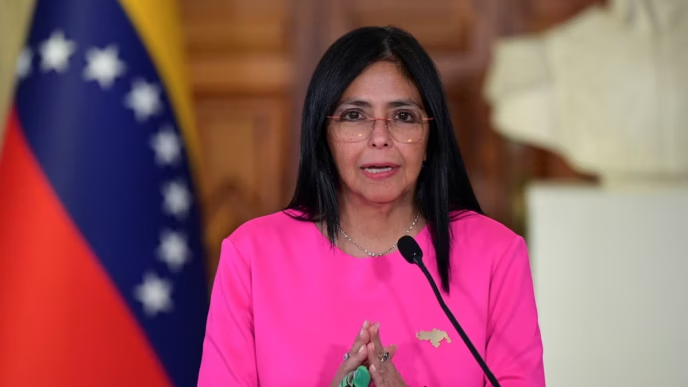
Attention has since turned to Venezuela’s response. Late Sunday, interim leader Delcy Rodríguez appeared to soften her initial defiance, signalling a willingness to engage with Washington. She indicated that her administration was open to cooperation with the United States on a shared agenda.
“We extend an invitation to the US government to work together on an agenda for cooperation,” the former vice president said.
The Venezuelan military, long loyal to Maduro, later announced that it recognised Rodríguez as interim leader and called for calm across the country.
Authorities have not released an official death toll, but Defence Minister Vladimir Padrino López said a significant portion of Maduro’s security detail was killed during the operation, along with members of the military and civilians. He described the killings as deliberate.
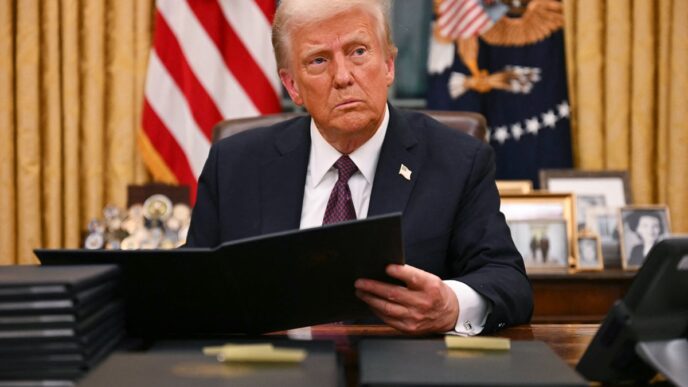
US President Donald Trump declared late Sunday that the United States was now in control of developments in Venezuela, while Secretary of State Marco Rubio said discussions about holding elections in the immediate aftermath of Maduro’s removal were premature.
Trump also outlined his expectations from the interim leadership, saying Washington required unrestricted access, including to Venezuela’s oil sector, to facilitate the country’s reconstruction.
Venezuela holds the world’s largest proven oil reserves, and analysts warn that a surge of Venezuelan crude onto global markets could worsen oversupply concerns and further depress prices.
Opposition figure Edmundo González Urrutia said the US intervention was significant but insufficient, arguing that without the release of political prisoners and recognition of his claimed victory in the 2024 election, meaningful change had not been achieved.
At Venezuela’s request, the UN Security Council is scheduled to hold an emergency session on Monday, offering a forum for international scrutiny of US actions in the country of about 30 million people.
International reaction has been swift. China, Russia and Iran, longstanding allies of Caracas condemned the operation, while some US allies, including the European Union, voiced concern. China called for Maduro’s immediate release, describing the operation as a clear violation of international law. Iran said its relationship with Venezuela remained unchanged and also urged Maduro’s release.
Colombian President Gustavo Petro denounced the US action as an assault on Latin American sovereignty and warned it could trigger a humanitarian crisis. He also rejected Trump’s threats of military action against Colombia, after the US president accused him of links to drug trafficking.
In Caracas, around 2,000 Maduro supporters staged demonstrations on Sunday. The rallies included armed men on motorcycles, as crowds waved Venezuela’s national colours and chanted in support of the former leader.