Trending

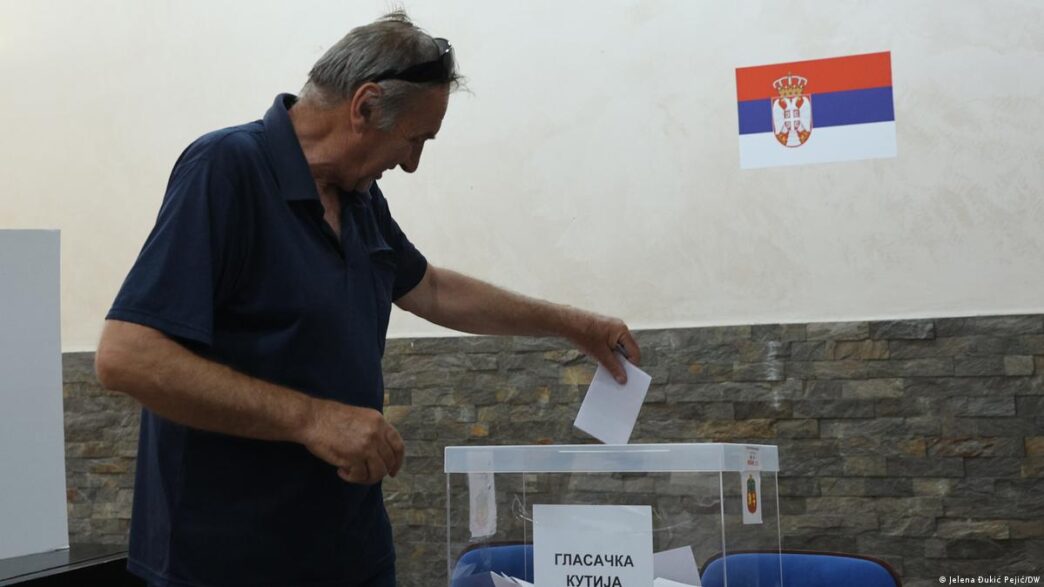
Thousands of Serbians voted in local elections on Sunday in 10 municipalities. There were many reports of physical attacks and threats.
The ballot, which included major centres like Bor and Bajina Bašta, saw intense clashes between supporters of President Aleksandar Vučić’s ruling Serbian Progressive Party (SNS) and a surging student-led opposition movement.
Journalists and election observers reported being targeted with pepper spray and physical violence, with independent media groups documenting several “brutal beatings” of reporters near alleged “vote-buying” sites.
President Vučić, who campaigned heavily to maintain his grip on power, accused the student movement of harassment and attempting to stage a “colour revolution” backed by foreign interests.
Conversely, the student activists—who have led massive anti-corruption protests for over a year—claimed they were attacked by “thugs” while trying to expose electoral irregularities.
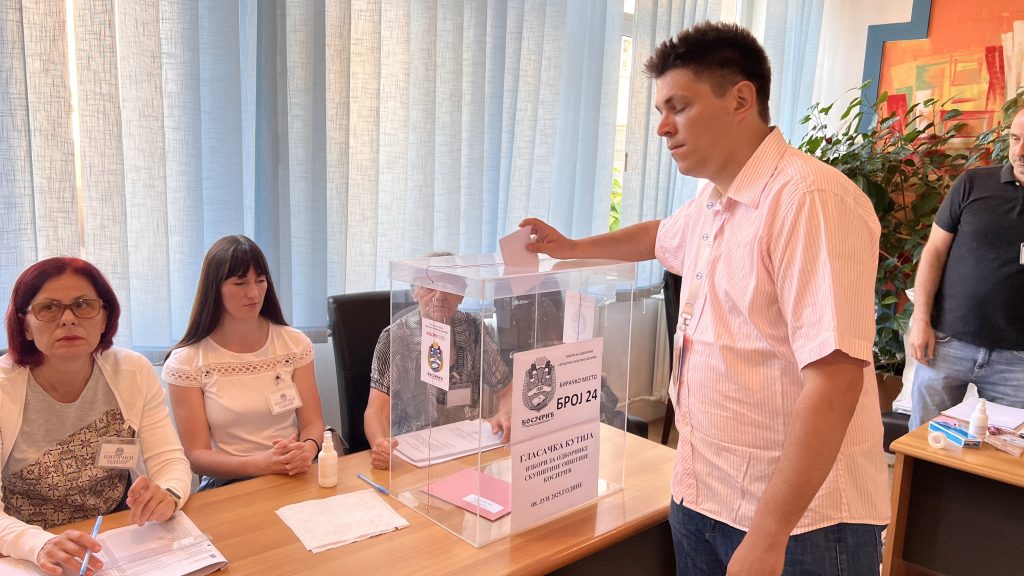
The police reportedly made several arrests, though media associations criticised law enforcement for appearing to shield the assailants rather than protecting citizens and the press.
The elections carry immense symbolic weight, serving as a critical test for the government following the tragic 2024 railway station roof collapse in Novi Sad, which killed 16 people.
That disaster became a catalyst for a national uprising against entrenched corruption and shoddy public infrastructure.
While the current vote represents only a fraction of the total electorate, the high turnout and violent atmosphere underscore the deep polarisation within the country as the student-led movement continues to demand a total overhaul of the political system.