Trending
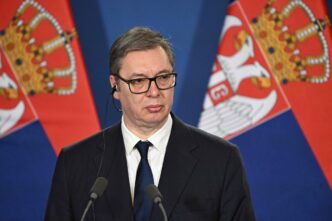

Serbian President Aleksandar Vučić expressed optimism on Thursday that a deal between Russian and Hungarian energy interests could resolve a deepening energy crisis caused by U.S. sanctions against Russia.
The Petroleum Industry of Serbia (NIS), which is majority-owned by Russian subsidiaries, recently saw its sole refinery forced offline due to Washington’s restrictions following the invasion of Ukraine.
The Pancevo refinery is a vital component of Serbia’s national infrastructure, supplying approximately 80% of the country’s domestic fuel needs.
A Narrow Window for Transition
While the United States has maintained its demand for a complete withdrawal of Russian ownership from NIS, Belgrade announced on Wednesday that a reprieve has been granted. This extension allows the Pancevo refinery to resume operations until January 23.
President Vučić confirmed that Gazprom is currently in active negotiations with the Hungarian fossil fuel group MOL. The potential transaction involves the 56 per cent stake held by Gazprom Neft and Intelligence.

“I hope that the Russians and Hungarians will finish their work” by the deadline, Vucic told reporters, noting that the refinery is expected to resume crude imports on January 5 and reach full operational capacity by mid-month.
Economic and Diplomatic Pressures
The sanctions have placed a significant strain on Serbia, a traditional ally of Moscow and one of the few European nations that has declined to join international sanctions against Russia.
The Russian presence in Serbia’s energy sector dates back to 2008, when Gazprom acquired its majority stake for €400 million.
President Vučić has previously indicated that while Moscow was initially hesitant to sell its shares back to the Serbian state, the government remains prepared to intervene directly should the private sale to MOL fail to materialise by January 15.