Trending

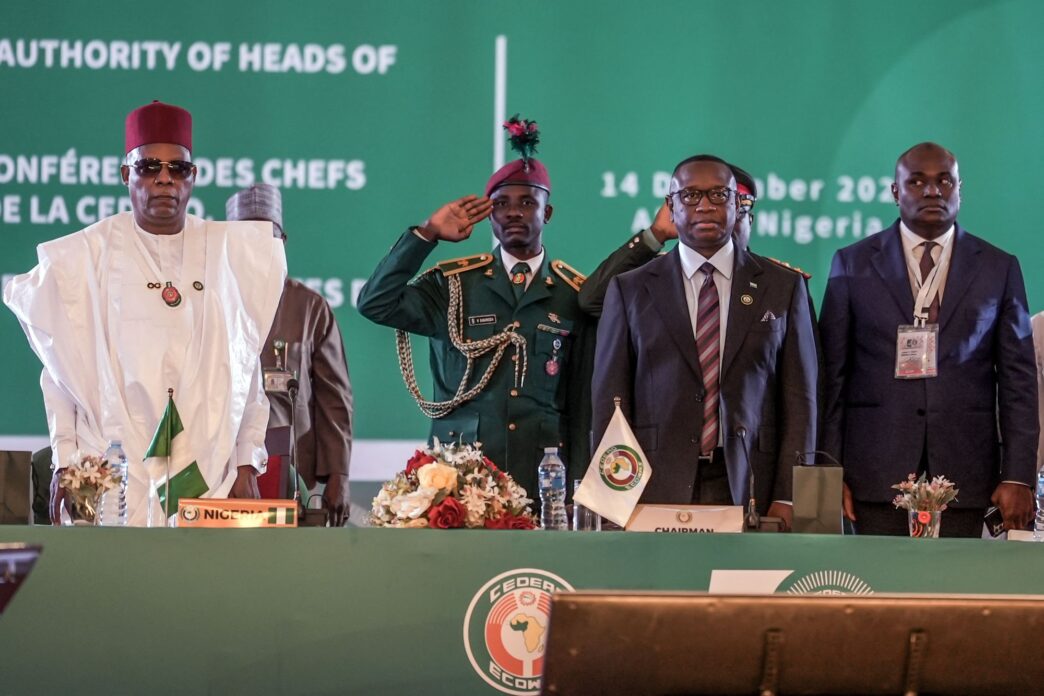
Presidents and their deputies from across West Africa met Sunday in Nigeria for a regional meeting whose agenda was dominated by two recent coup attempts.
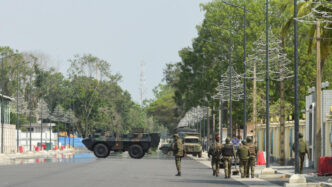
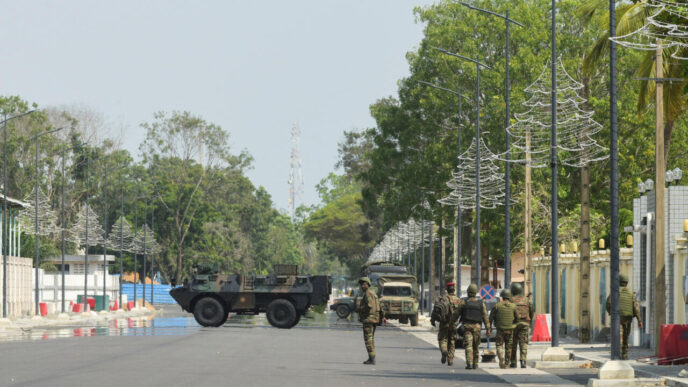
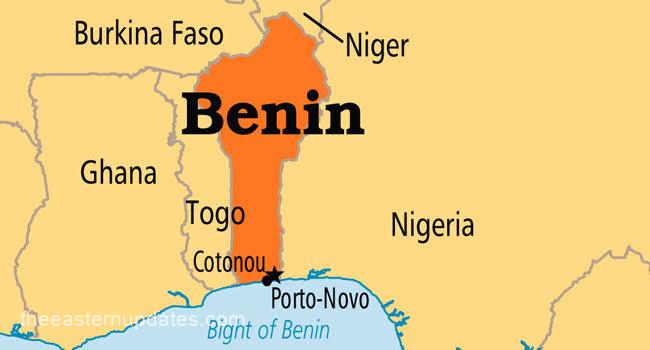
A successful putsch in Guinea-Bissau in November and a foiled military takeover in Benin a week ago have rattled the regional bloc ECOWAS. The bloc was previously hit with a string of coups between 2020 and 2023 in Burkina Faso, Guinea, Mali and Niger, all of which are still under junta control.
“The events of the last few weeks have shown in concrete terms what regional solidarity means,” ECOWAS commission president Alieu Touray said at the opening ceremony of a heads of state summit in Abuja.
The summit, held in a conference hall on the bucolic, highly secure campus surrounding the presidential villa at Aso Rock, was organised before the two recent coup attempts, but they are high on the agenda.
Presidents gathered for the meeting were set to discuss a recent ECOWAS mission to Guinea-Bissau and “the situation in the Republic of Benin”, according to the programme.
Trade liberalisation measures and “update on the transition process” in Guinea were also on the agenda. Also on the priority list is security in Sahel, where jihadist groups are waging insurgencies in Burkina Faso, Mali and Niger.
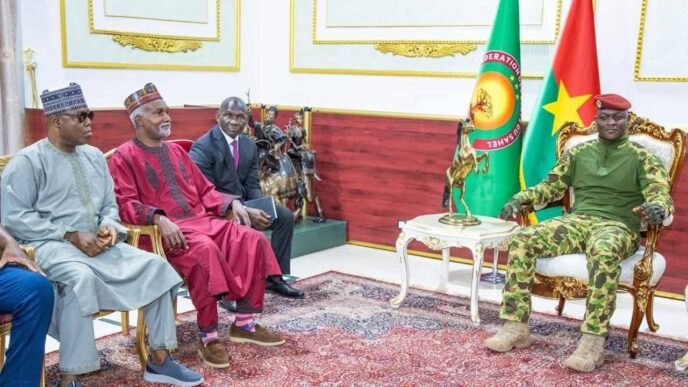
Under junta rule, the three countries left ECOWAS and formed their own group, the Alliance of Sahel States (AES). Last week, Touray called for negotiations with the AES over shared security concerns as the conflict continues to spread south.
“No border can insulate us from violence,” Sierra Leone President Julius Bio, who currently holds ECOWAS’s rotating chairmanship, said Sunday.
Heads of state from Guinea and Guinea-Bissau, who were suspended after their military takeovers, were not present at the summit. Nigerian leader Bola Tinubu was not in attendance and was instead represented by Vice President Kashim Shettima.
In addition to military takeovers, democratic backsliding has also dogged civilian governments in West Africa.
In October, the Ivory Coast elected President Alassane Ouattara to a fourth term in an election that barred his rivals.