Trending
A new World Health Organisation (WHO) analysis has revealed that up to four in every 10 cancer cases worldwide could be prevented through healthier lifestyles, stronger public health policies, and targeted interventions.
The report, released to mark World Cancer Day on February 4, 2026, draws on a Nature Medicine study covering 36 cancer types across 185 countries.
According to the WHO, about 37% of the 18.7 million new cancer cases recorded in 2022 were linked to factors that could be changed, including tobacco use, infections, and environmental exposures.
Dr Maria Neira, WHO Director of Environment, Climate Change and Health, emphasised the preventable nature of many cancers.
“A large portion of cancers, particularly those related to tobacco, infections, and unhealthy environments, are not inevitable. They are preventable,” she said.
Tobacco remains the leading preventable cause of cancer, accounting for roughly 15% of new cases globally, while infections such as human papillomavirus (HPV) and Helicobacter pylori contribute around 10%.
Director of the WHO’s International Agency for Research on Cancer (IARC), Dr Elisabete Weiderpass, also stated that smoking and infection-associated cancers continue to take an enormous toll.
“Effective prevention is not only possible, but it must also be prioritised,” she said.
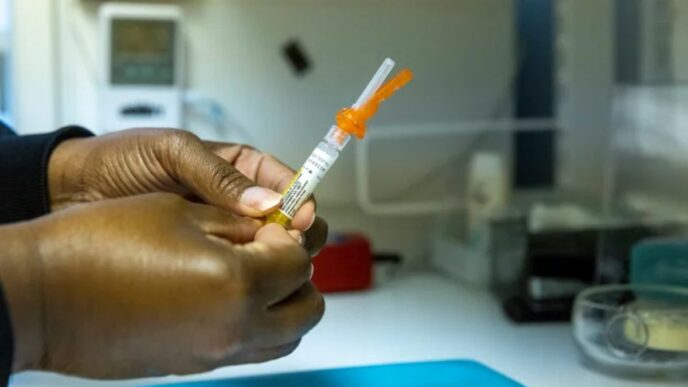
Cervical cancer, which is primarily caused by HPV, is stated in the report as a largely preventable disease, thanks to widely available vaccines.
Similarly, cancers linked to H. pylori infections could be reduced through improved sanitation and medical screening, the WHO said.
“We are at a moment where public health interventions, such as HPV vaccination, tobacco control measures, and healthier environmental policies, could save millions of lives,” Dr Weiderpass added.
The WHO analysis also found differences by sex and region. Around 45% of cancers in men are tied to modifiable risk factors, compared with about 30% in women.
Regional variations reflect differences in lifestyles, environmental exposures, and access to preventive care.
The WHO has urged governments to scale up proven interventions, including tobacco taxes, public smoking bans, and vaccination programmes.