Trending
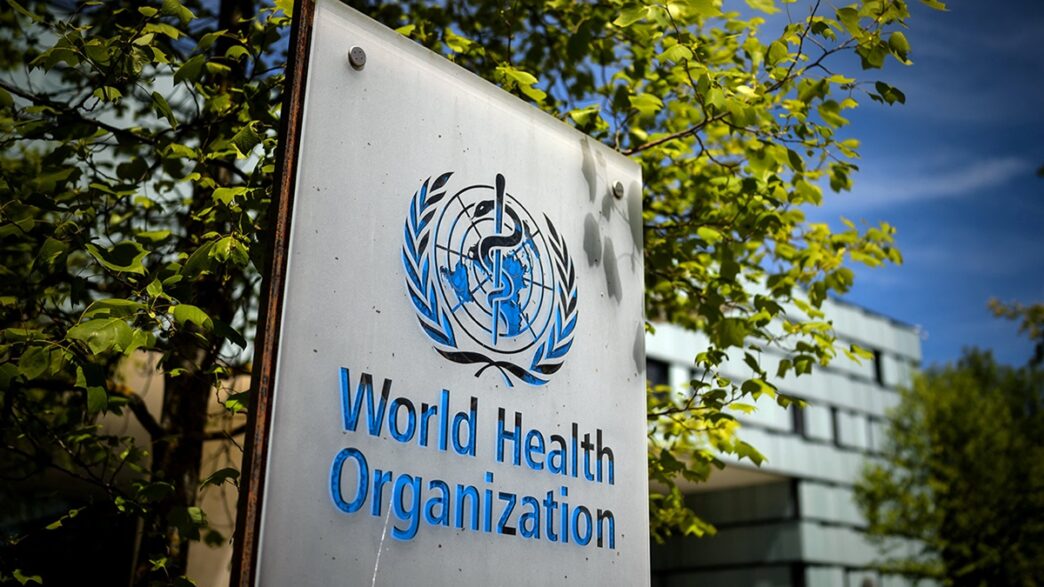
The World Health Organisation (WHO) has appealed for $1 billion to respond to the world’s 36 most severe health emergencies this year, including crises in Gaza, Sudan, Haiti, and the Democratic Republic of the Congo.
WHO said on Tuesday that an estimated 239 million people will need urgent humanitarian health assistance in 2026 and warned that the funding is essential to keep basic health services running.
Speaking to reporters in Geneva, WHO health emergencies chief Chikwe Ihekweazu said nearly a quarter of a billion people are living in conditions where safety, shelter, and access to health care have collapsed.
“A quarter of a billion people are living through humanitarian crises that strip away the most basic protections: safety, shelter, and access to health care,” Ihekweazu said.
Ihekweazu also cautioned that in these settings, “health needs are surging, whether due to injuries, disease outbreaks, malnutrition, or untreated chronic diseases,” noting that “yet access to care is shrinking.”
The $1 billion appeal is much lower than in prior years, indicating a growing humanitarian funding shortfall worldwide.
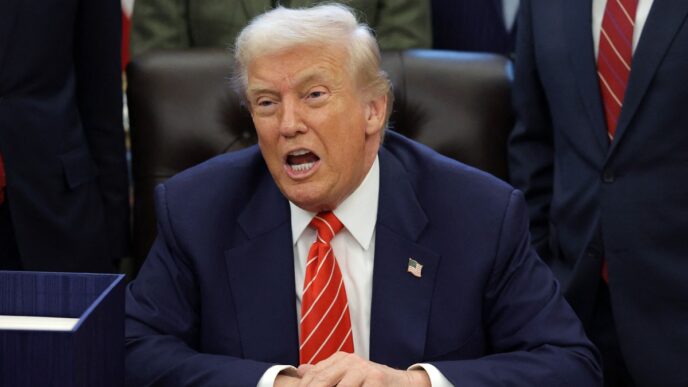
The United States was among the largest donors to the WHO before President Donald Trump announced the U.S. would withdraw from the UN health agency.
A year ago, Trump issued an executive order announcing the withdrawal after criticising the organisation for being overly “China-centric” during the COVID-19 pandemic.
The WHO requested $1.5 billion in 2025 but received only $900 million. According to Ihekweazu, the agency has revised its expectations due to the ongoing decline in donor support.
He said the agency had been “recognising … that the appetite for resource mobilisation is much smaller than it was in previous years.”
“That’s one of the reasons that we’ve calibrated our ask a little bit more towards what is available realistically, understanding the situation around the world, the constraints that many countries have,” he added.
As a result, the WHO said it will focus on “hyper-prioritising the highest-impact services and scaling back lower‑impact activities to maximise lives saved.”
Funding cuts last year forced 6,700 health facilities across 22 crisis settings to close or reduce services, “cutting 53 million people off from health care,” Ihekweazu said.
“Families living on the edge face impossible decisions, such as whether to buy food or medicine,” he added.
He also noted that “people should never have to make these choices.”
“This is why today we are appealing to the better sense of countries and of people and asking them to invest in a healthier, safer world.”