Trending
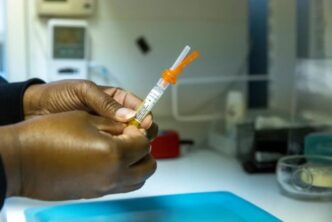
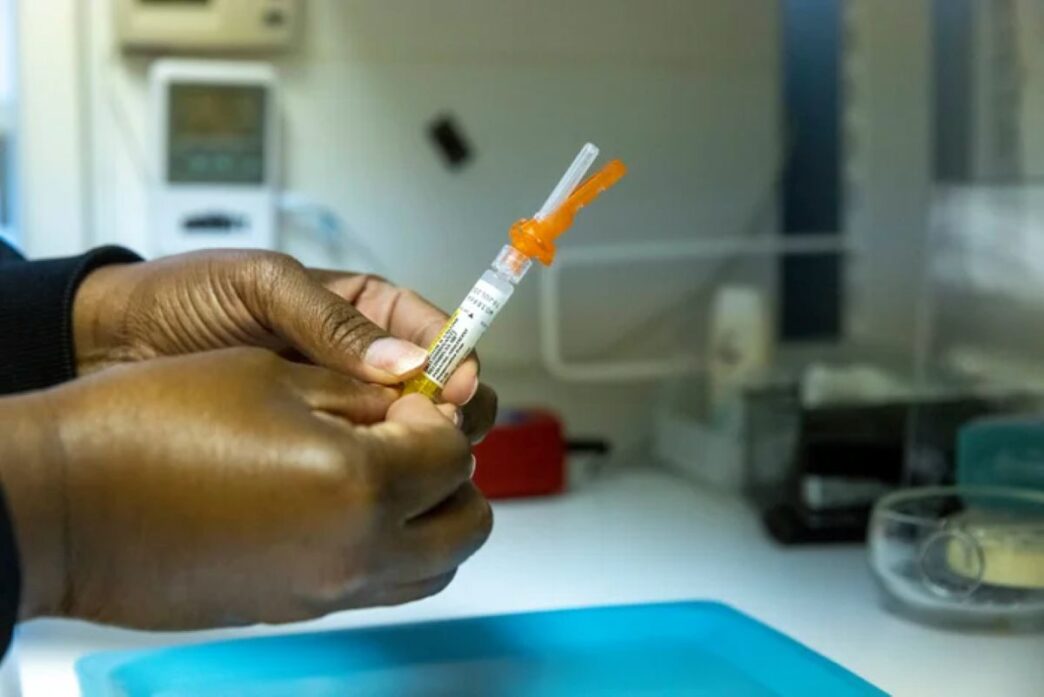
A halted hepatitis B vaccine trial in Guinea-Bissau has drawn sharp criticism from the World Health Organisation (WHO), calling the experiment “unethical.”
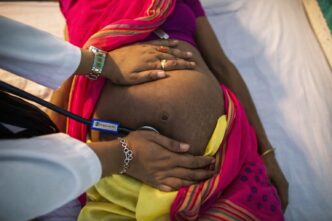
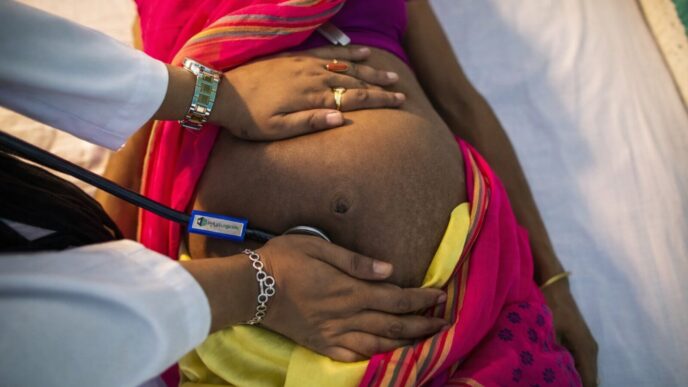
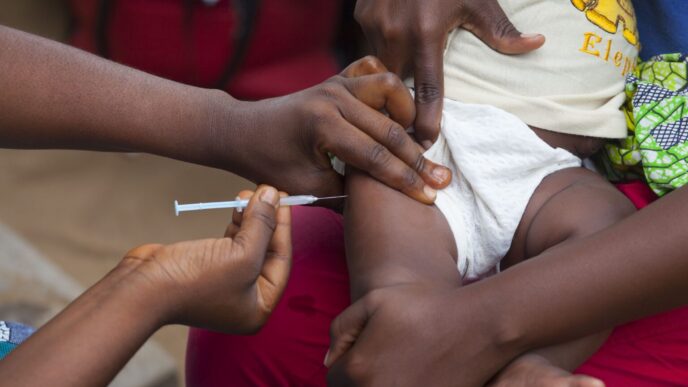
The trial, funded by the United States and led by Danish researchers, aimed to test the effectiveness of a birth-dose hepatitis B vaccine on thousands of newborns. The study intended to administer the vaccine at birth to one group, while delaying it for the other until six weeks of age.
The WHO voiced “significant concerns” over the trial, emphasising that the birth-dose hepatitis B vaccine is a proven life-saving intervention used for over three decades in more than 115 countries. According to the WHO, the study’s ethical framework, scientific justification, and alignment with established research standards were flawed. The organisation warned that withholding the vaccine from some newborns posed the risk of “potentially irreversible harm,” particularly in a population where a substantial number suffer from chronic hepatitis B.
In Guinea-Bissau, where the hepatitis B virus is widespread, the vaccine prevents mother-to-child transmission by 70-95%. The WHO further explained that withholding proven treatments, such as the birth-dose vaccine, is acceptable only in trials when no effective treatment exists.
“Infection at birth is the most common way of having a lifelong infection,” the WHO stated, stressing that 90% of infected newborns become chronic carriers, leading to a high risk of liver cirrhosis and cancer.
Public outcry in Guinea-Bissau prompted the government to suspend the trial, which was initially set to involve 14,000 babies. Critics, including former health minister Magda Robalo, argued that Guinea-Bissauans should not be treated as “guinea pigs” in this controversial experiment.
Furthermore, the recent replacement of members of the US Health Advisory Committee by Robert F. Kennedy Jr., who has expressed doubts about vaccines, raised additional questions about the trial’s motives.
The WHO has advocated for universal hepatitis B vaccination within 24 hours of birth, a policy Guinea-Bissau plans to implement by 2028. This plan aligns with global health standards, something the WHO is keen to accelerate.