Trending
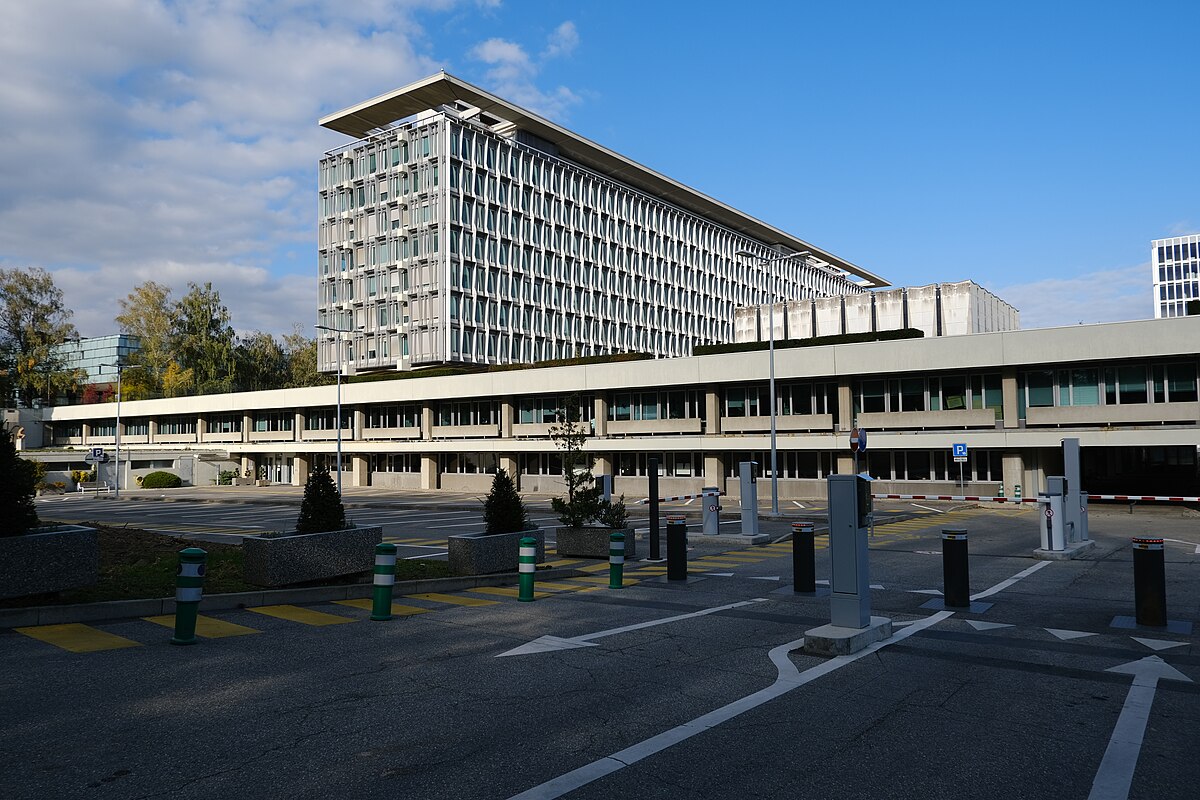
The head of the World Health Organisation (WHO) has announced that the UN agency will significantly reduce its operations and workforce following a major funding shortfall, primarily due to the United States halting its financial contributions.
Speaking to member states on Tuesday, Director-General Dr. Tedros Adhanom Ghebreyesus confirmed that the agency was facing a funding gap amounting to several hundred million dollars, stating, “The sudden drop in income has left us with a large salary gap and no choice but to reduce the scale of our work and workforce.”
The funding crisis follows the anticipated full withdrawal of the United States, historically WHO’s largest donor, from January next year.
The US contributed $1.3 billion to WHO’s 2022–2023 budget, mostly via voluntary donations earmarked for specific projects rather than as core funding.
However, the US has failed to pay its assessed dues for 2024 and is not expected to contribute for 2025 either, leaving a significant hole in the organisation’s budget.
Tedros said the refusal, combined with aid reductions from other nations, had led to a projected salary deficit of between $560 and $650 million for the 2026–27 period.
He clarified that while this gap accounts for roughly 25% of staff costs, it “doesn’t necessarily mean a 25% cut in positions.”

Still, job losses are inevitable. “We will be saying goodbye to a significant number of colleagues,” Tedros said, adding that the process would be handled “humanely.” The most substantial cuts are expected at the WHO headquarters in Geneva.
Tedros revealed plans to reduce the senior leadership team from 12 to 7 members and to consolidate the number of departments from 76 to 34.
Regional offices will face varying levels of restructuring, and some country offices, particularly those in high-income nations, may be closed altogether.
“These are very painful decisions for all of us,” Tedros acknowledged.
The WHO chief noted that the situation could have been worse. In 2022, member states agreed to raise core membership fees and reduce reliance on voluntary contributions. As a result, assessed contributions for the upcoming 2026–27 biennium are expected to reach $1.07 billion, even without the US share, compared to a potential $746 million without that reform.
Despite the funding cuts, Tedros emphasised that the WHO must re-centre its work on core priorities. “Many countries need our support now more than ever,” he said, particularly as the scaling back of the US foreign aid agency USAID has already had a “very severe” effect on health programmes in developing nations.
Going forward, the WHO will shift its focus towards helping nations become less dependent on foreign aid and more self-sufficient in managing their public health systems.