Trending
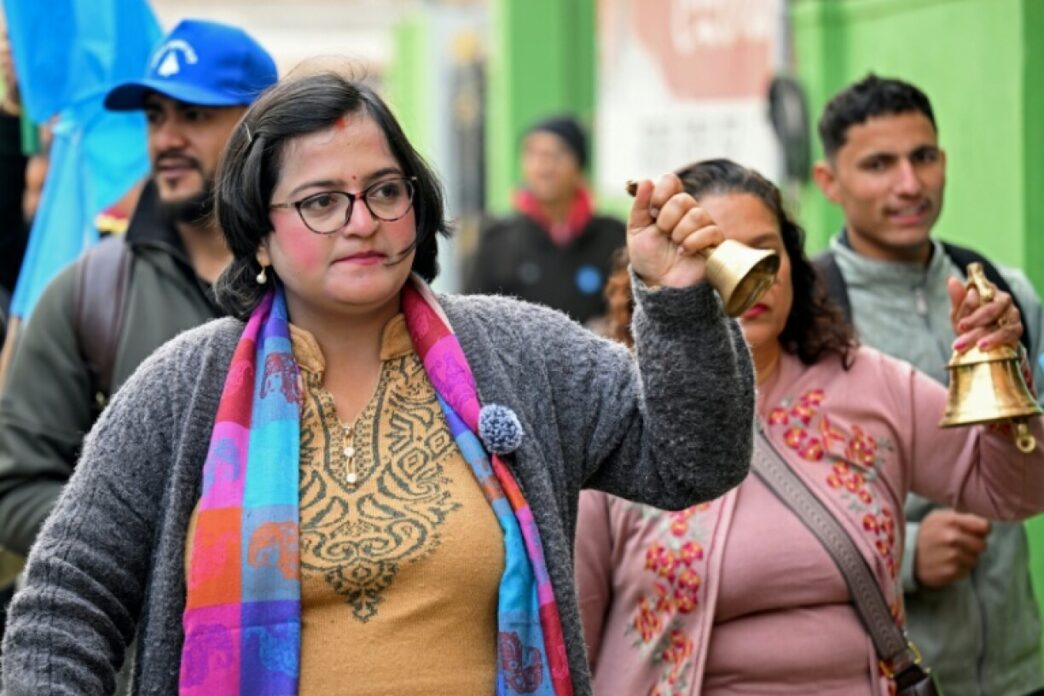
Nepali women played a pivotal role in the high-stakes protests that toppled the government last year, yet they hold a strikingly small share of candidate spots in Thursday’s general election.
The disparity is most visible in the direct-contest seats for the 275-member House of Representatives. Of the more than 3,400 candidates vying for 165 direct seats, a mere 10% are women.
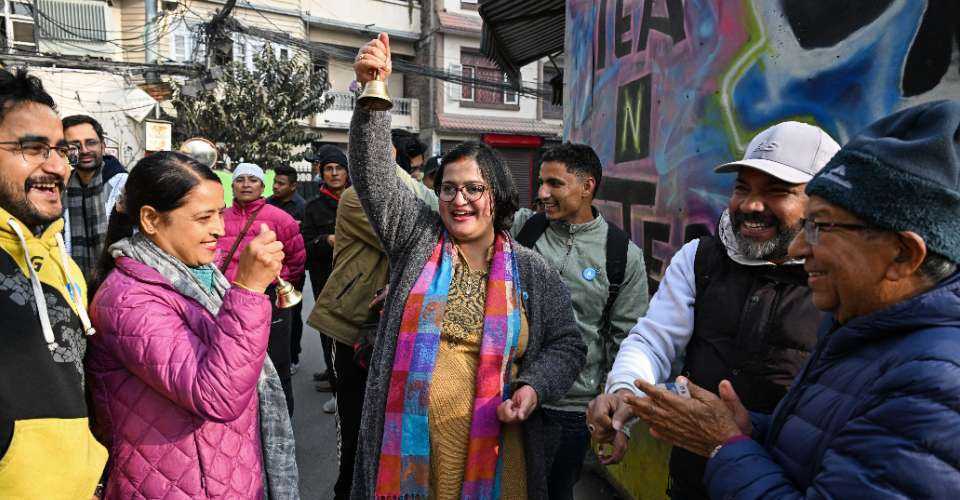
Prominent figures like Ranju Darshana are campaigning vigorously to bring a female lens to policy-making, yet many seasoned female politicians, such as Sita Gurung, found themselves excluded from nominations despite previous electoral successes.
Critics argue that Nepal’s constitutional mandate—which requires women to hold at least one-third of parliamentary seats—is being used by major parties to sideline women from direct races.
Parties often rely on the 110-seat proportional representation (PR) system to meet their gender quotas rather than allowing women to contest head-to-head.
This “PR excuse” effectively bars women from the negotiation tables where political influence and party tickets are distributed.
Deep-seated structural barriers, including gendered media bias, online harassment, and unequal citizenship status, continue to hinder female participation.
Political analysts note that even after multiple revolutions, the political elite still struggles to view women as legitimate political actors.
This ongoing exclusion has led some leaders to suggest that it may be time for women to lead a separate revolution specifically aimed at securing their rightful place in Nepal’s governance.