Trending

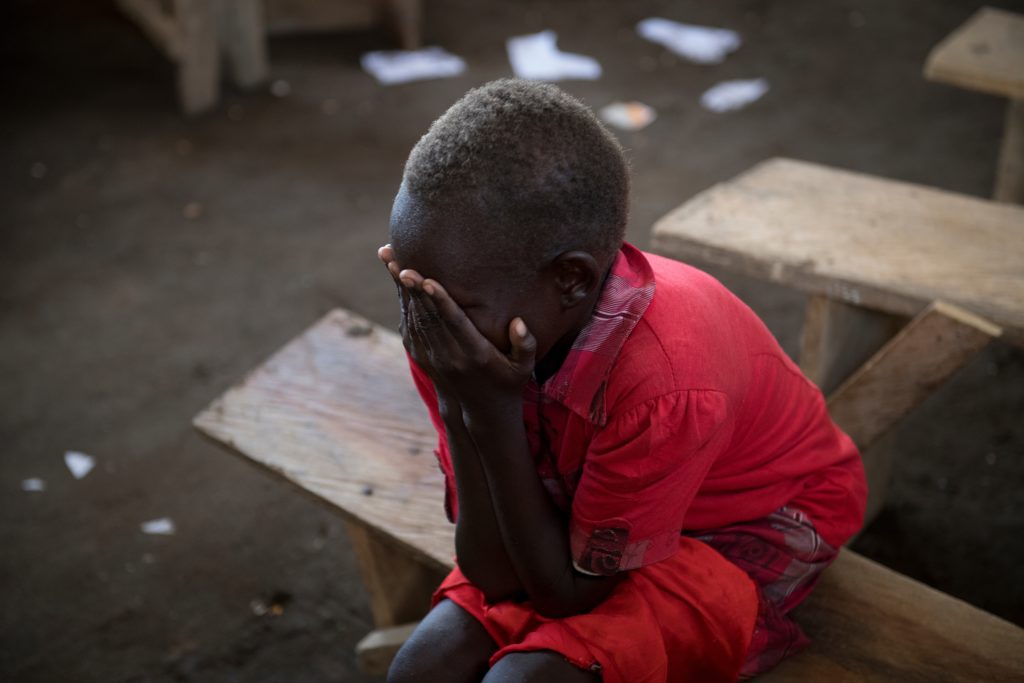
The World Bank has warned that the rising inflation in Nigeria could worsen early childhood development outcomes.
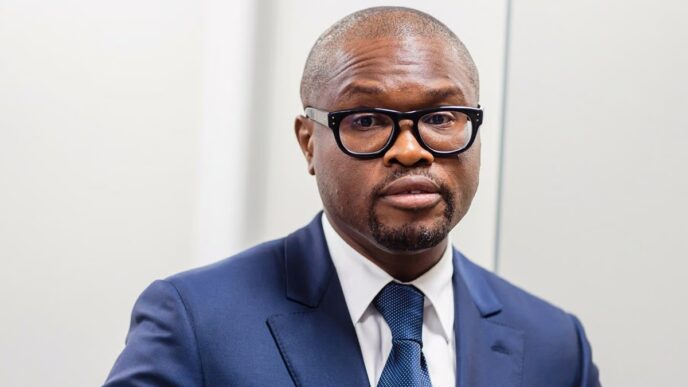
Matthew Verghis, the World Bank Country Director for Nigeria, said this while presenting the bank’s April edition of the Nigeria Development Update (NDU) report in Abuja on Tuesday.
According to him, Nigeria’s economic outlook is improving, but rising global uncertainty, particularly the ongoing Middle East conflict, poses risks to the country’s economy and childhood welfare could be threatened as a result.
Verghis explained that children’s brain development is most rapid and most sensitive to nutrition, health stimulation, early learning, and safety during the period from pregnancy through about five years.
He also said children need access to proper nutrition and quality healthcare services at this critical stage of their lives, but the failure to provide these basic needs could endanger their growth and development.
The World Bank Country Director for Nigeria added that Nigeria’s early childhood indicators remained weak and uneven across regions and fell short of global standards.
“On average, 110 out of every 1,000 children die before the age of five; about 40 per cent are stunted, while an estimated 52 per cent are not developmentally on track before entering school. These figures should be treated as a crisis for a country with Nigeria’s aspirations,” he said.
He attributed the situation to gaps in access to basic services, including maternal healthcare, nutrition, clean water, and sanitation, adding that these challenges are more severe among poorer households and in the northern parts of the country.
Verghis, however, acknowledged ongoing government efforts, supported by the World Bank and other partners, to improve child health and nutrition, including strengthening primary healthcare systems in Nigeria.
He added that said efforts were ongoing, in collaboration with the National Economic Council and state governments, to develop a comprehensive national programme on early childhood development, supported by development partners, including the World Bank and the Gates Foundation.