Trending
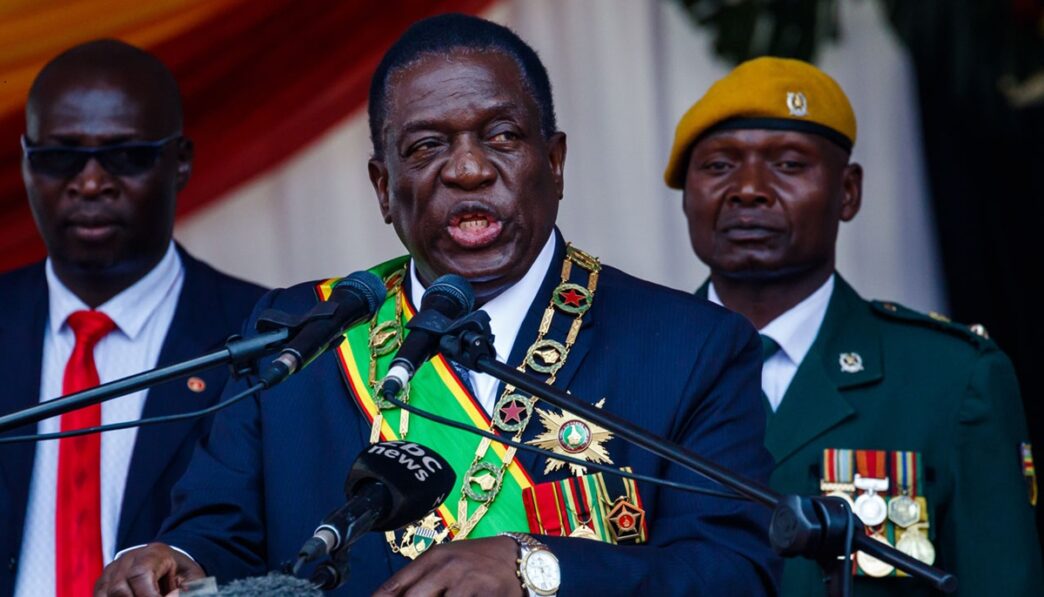
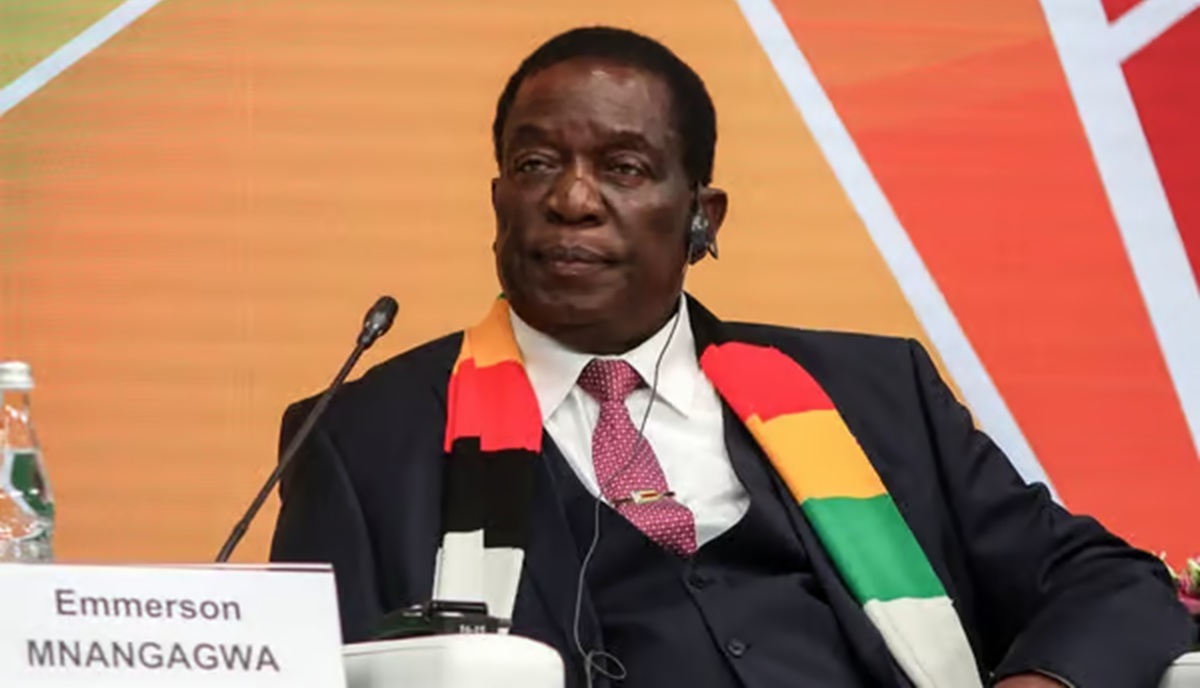
Senior opposition figures in Zimbabwe on Wednesday accused the government of orchestrating a constitutional coup after the cabinet approved amendments that could enable President Emmerson Mnangagwa to prolong his stay in office.
The proposed changes, endorsed by the cabinet on Tuesday, include extending the presidential term from five to seven years. They follow an earlier resolution by the ruling Zanu-PF party that Mnangagwa should remain in power for at least two years beyond the end of his current term in 2028.
The amendments would also eliminate direct presidential elections, transferring the authority to select the head of state to parliament, and granting the president the power to appoint an additional 10 senators.
Opposition politician Job Sikhala described the developments as an attempt by the incumbent to extend his tenure against the will of citizens. He alleged that Mnangagwa was using what he termed authoritarian tendencies to push himself into office until 2030.
“The process that is currently happening in Zimbabwe is a coup by the incumbent to extend his term of office against the will of the people.”
Although the proposals are expected to be tabled before parliament, where Zanu-PF holds a dominant majority, opposition groups argue that any constitutional alteration of that scale must be subjected to a national referendum.
In its post-cabinet briefing, the government defended the amendments, saying they were intended to promote political stability and ensure continuity in governance.
However, Citizens Coalition for Change (CCC) leader Jameson Timba accused the president and Zanu-PF of manipulating formal state procedures to consolidate power without securing the free and direct consent of the electorate.
Writing on X(formerly Twitter), he characterised the process not as constitutional reform but as a constitutional coup.
“What is unfolding in Zimbabwe is not constitutional reform. It is a constitutional coup.”
Mnangagwa assumed office in 2017 following a military-backed intervention that removed longtime leader Robert Mugabe, who had ruled Zimbabwe for 37 years. He subsequently won elections in 2018 and 2023. His administration has faced criticism over alleged corruption benefiting Zanu-PF, which has governed since independence in 1980, as well as accusations of democratic backsliding.
Sikhala’s National Democratic Working Group said it had petitioned the African Union to intervene, arguing that the continental body should not remain silent while what it described as a coup unfolds in a member state.
In a letter seen by AFP, the group claimed that peaceful anti-coup campaigners were facing repression, attacks and arbitrary arrests.
Prominent lawyer Tendai Biti noted that Zimbabweans retain the right to seek judicial redress.