Trending
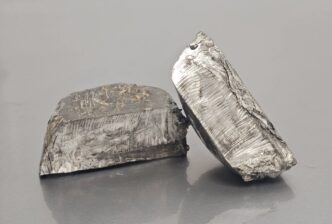
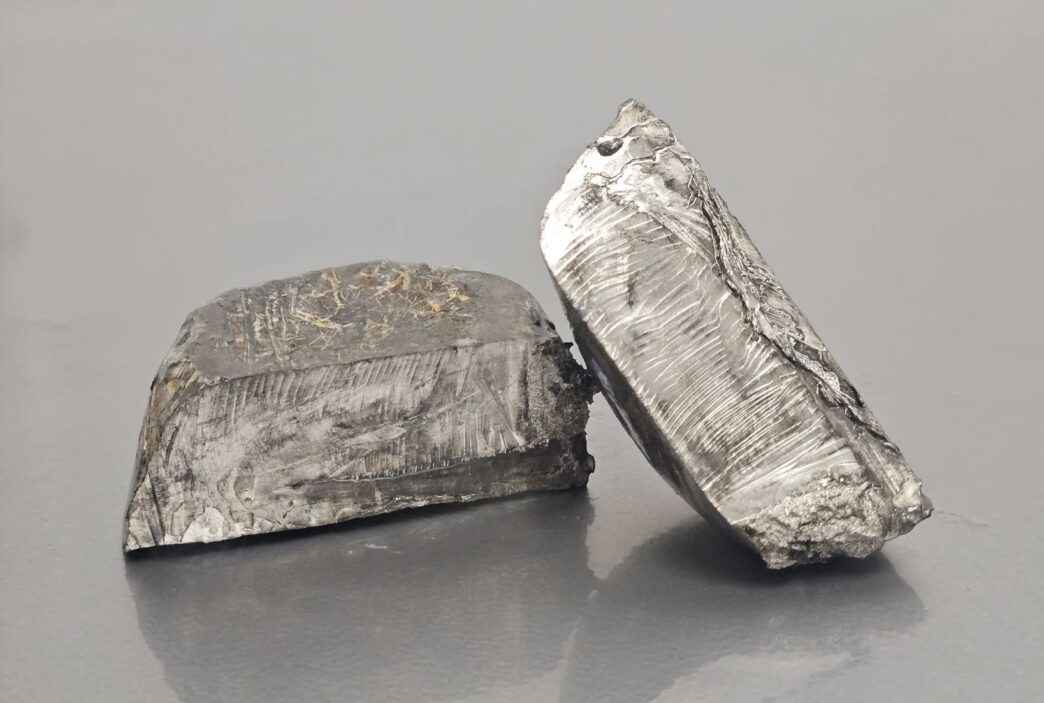
A month after prohibiting the export of raw lithium, Zimbabwe is strengthening its regulations and intensifying efforts to curb mineral smuggling in a significant policy shift that has attracted domestic approval while raising concerns.
The February 26 ban applied to all raw mineral exports but centred on lithium, a vital resource of which Zimbabwe is Africa’s leading producer, with most shipments previously destined for China’s extensive rechargeable battery industry.
Although many have welcomed the measure as a long-overdue attempt to prevent the loss of national resources, critics have questioned its practicality, while workers worry about potential job losses.
Zimbabwe had earlier indicated in June that raw mineral exports would be banned from January 2027 to encourage local processing and industrial development, reflecting a broader trend among African nations, including Malawi in October.
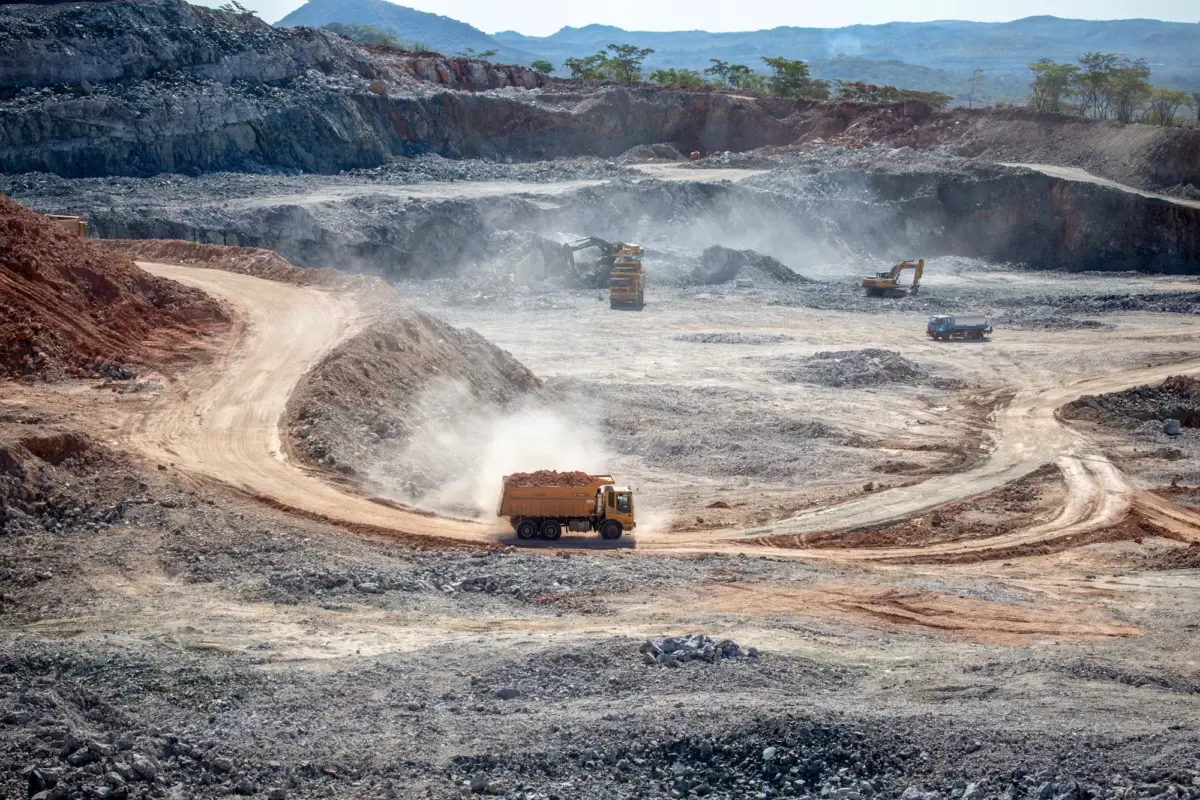
However, authorities in Harare moved the timeline forward by 10 months after observing an unusual surge in production and exports, as mining firms rushed to ship out materials ahead of the restriction, Mining Minister Polite Kambamura said earlier this month.
“After the notice on the intended ban, the industry increased production and export volumes, while applications for lithium export permits also surged, as producers sought to move as much product as possible before the notice period,” Kambamura said.
He explained that Zimbabwe’s “multi-element” geology allows valuable minerals to be concealed easily, enabling secondary resources such as tantalum, beryl and tin to be exported unnoticed and untaxed due to the absence of domestic testing and controls.
“Without domestic processing, the government cannot accurately tax the full mineral wealth,” Kambamura said.
Chinese investors are investing heavily in processing facilities to refine lithium into a higher-value form permitted for export, with the first plant expected to become operational in the coming weeks.
Authorities also plan to introduce scanning technology at border posts in the near future to detect undeclared rare earth minerals, Kambamura told parliament.
In addition, the government is developing a critical minerals policy and preparing a new survey to map and quantify rare earth resources.
Officials have attributed the abrupt ban to significant financial leakages, although the scale of the losses has yet to be disclosed.
– Red flags –
The measure has not been underpinned by formal legislation, raising concerns about its enforceability, according to Farai Maguwu of the Centre for Natural Resource Governance.
“The mining sector is such a robust and sensitive sector — it can’t be governed through press statements,” he told AFP, advocating legal provisions with mandatory minimum sentences for offenders.
He pointed to warning signs of attempts to bypass the ban, noting reports from mine workers that trucks transporting lithium concentrate were exceeding capacity limits.
Maguwu also claimed that storage facilities across the border in Mozambique, which provides access to Indian Ocean ports, were reportedly filled with Zimbabwean minerals.
Labour representatives cautioned that workers could bear the consequences of the abrupt policy shift.
“We fear it shall be passed down to workers through restructuring, short-time work and possible retrenchment,” said Justice Chinhema of the Zimbabwe Diamond and Allied Minerals Workers Union.
“Workers are now paying twice -– first through unsafe production rushes, and now through likely job and income insecurity,” he added.
An employee at Prospect Lithium Zimbabwe, speaking anonymously, said overtime had been reduced, with shifts returning to standard eight-hour schedules from extended 11- and 12-hour periods.
Given that many workers rely on overtime and short-term contracts, uncertainty has increased.
At Bikita Minerals, the country’s largest lithium mine, employees are reportedly preparing for reduced earnings tied to production targets, with some placed on forced leave, according to another anonymous worker.
Human rights advocate Rashweat Mukundu said Zimbabwe is “flirting with an opportunity” to maximise gains from the global green energy transition.
However, he questioned whether the country possesses the necessary infrastructure and expertise to advance to battery manufacturing.
“Do we have the expertise? At what point exactly are we looking at value addition?” Mukundu asked.
He also warned that the policy could deter further investment in the mining sector, raising concerns about competitiveness.