Trending

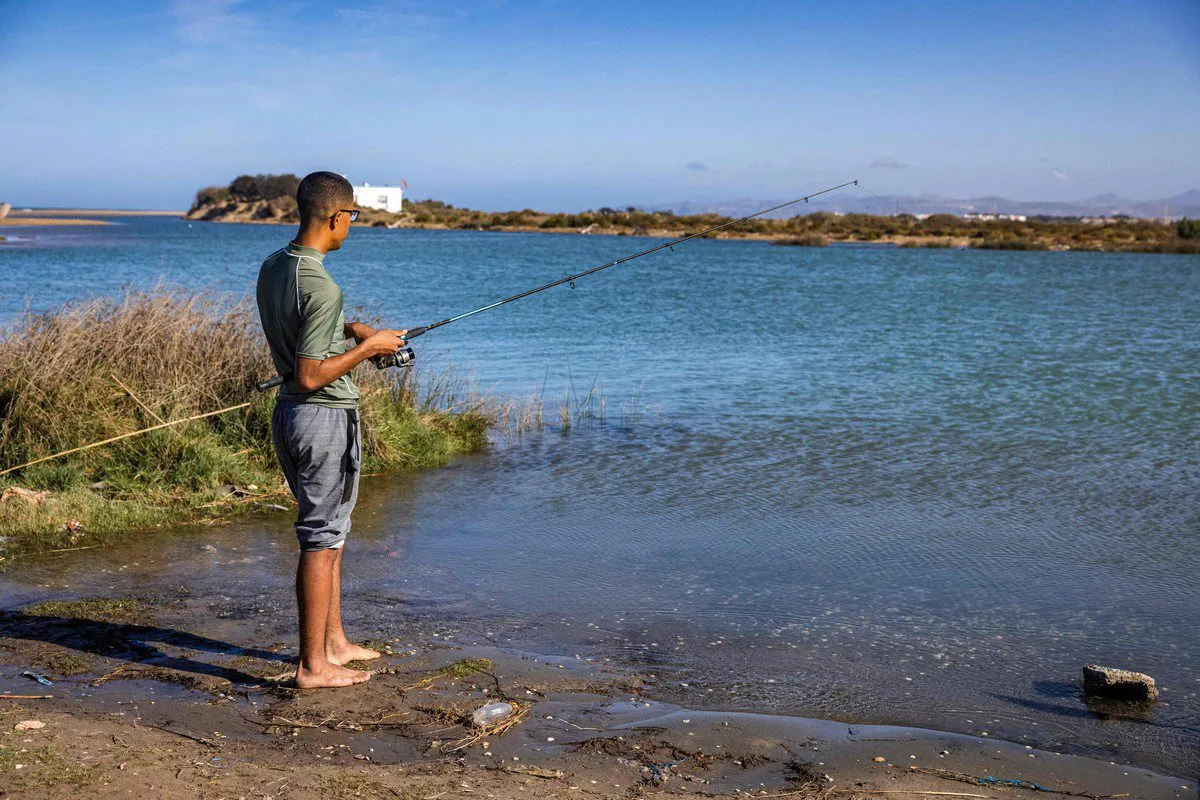
A prolonged period of drought spanning six consecutive years has led to critical water levels in Moroccan dams, resulting in a significant decline in the irrigated land area, as revealed by Morocco’s water and agriculture ministers.
As of mid-January, the average dam filling rate in Morocco plummeted to 23.2%, down from 31.5% the previous year, reported Water Minister Nizar Baraka during a Tuesday meeting, according to a statement from the royal palace. Baraka noted that rainfall was 70% below the average for the year.
The impact is particularly severe on Al Masira, the country’s second-largest dam serving Casablanca, Morocco’s economic hub, which is now nearly empty. Authorities responded to the crisis by imposing restrictions, including a ban on using drinking water for cleaning streets or irrigating parks in cities and halting dam water usage for irrigation in certain vital farming areas.
Read More : Uganda’s Museveni Begins Succession Talks

The decision caught many farmers off guard, especially in the Taroudant region of the Souss region, a major source of Morocco’s fresh produce, which supplies supermarkets across Europe and contributes significantly to export revenue.
Agriculture Minister Sadiki acknowledged the impact of this “violent drought,” revealing a reduction in the dam-irrigated area from 750,000 hectares to 400,000 hectares. He added, “Autumn crops are at a critical condition… we pray for rain.”
The ploughed area for rain-fed cereals has decreased to 2.3 million hectares from 3.65 million hectares last year, also a dry year. Morocco’s statistics agency anticipates a below-average cereal harvest, necessitating increased wheat imports.
In response to the water crisis, Morocco is planning to build waterways, new dams, and eight desalination plants powered by renewables, with a target of producing 1.3 billion cubic metres of fresh water from desalination by 2035. However, concerns linger about the potential delay in desalination readiness for farm irrigation.