Trending
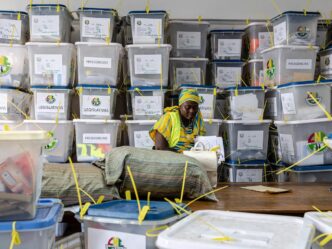

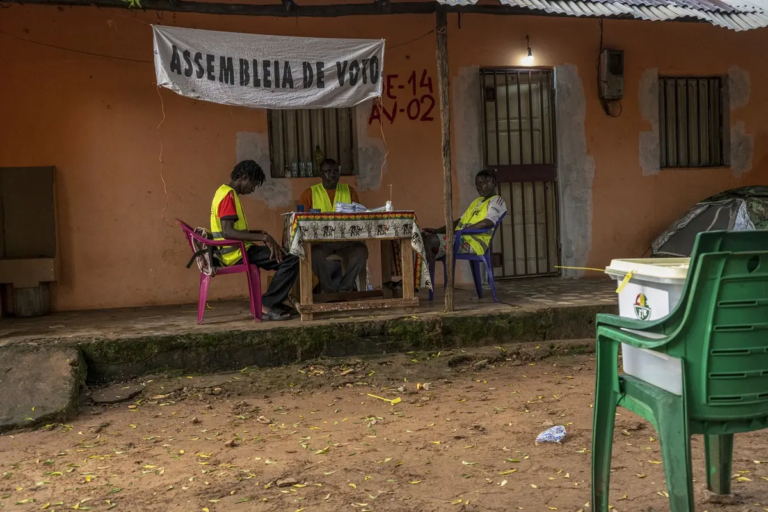
Guinea-Bissau’s electoral commission has announced that it can no longer publish the results of the country’s recent elections after armed men destroyed most of the vote records during last week’s military takeover.
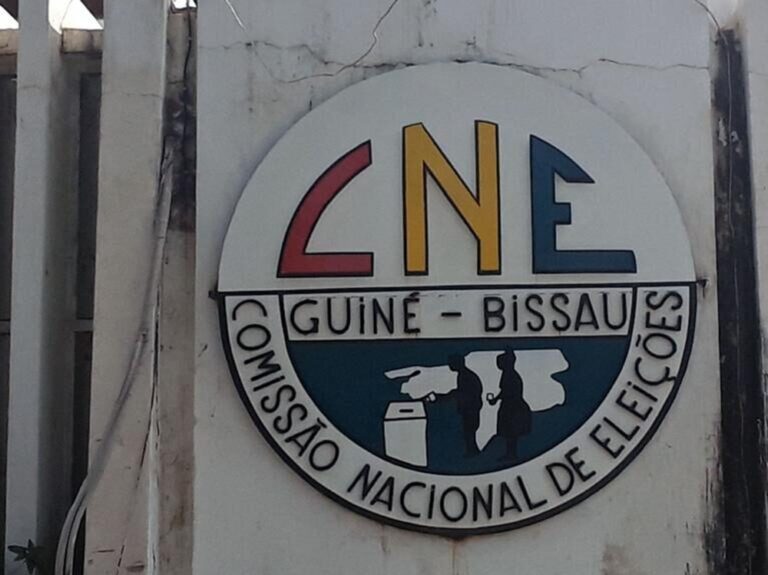
Speaking to journalists on Tuesday, Idrissa Djalo, deputy executive secretary of the National Electoral Commission (CNE), said the commission was now unable to complete the electoral process because the official tallies had been largely wiped out.
“Today, we are unable to conclude the electoral process,” Djalo said, explaining that all tally sheets had been destroyed except those from the capital, Bissau.
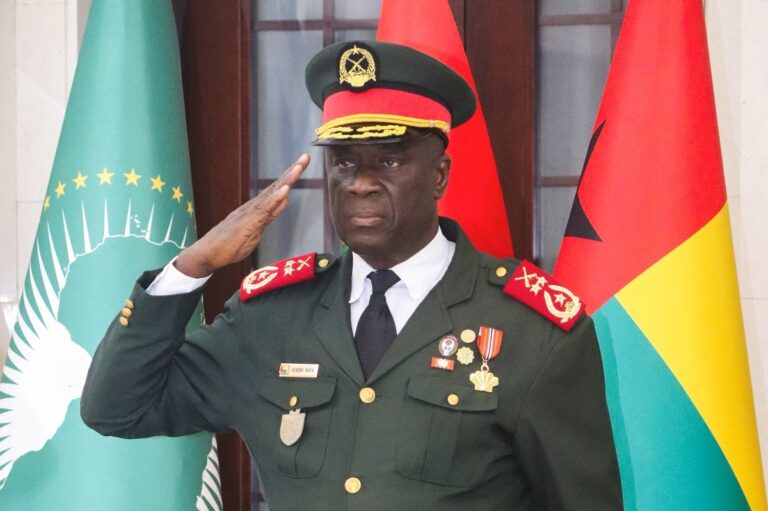
The military seized power last Wednesday, one day before the provisional election results were due to be released. Djalo said that on the morning of the coup, shortly before the takeover, armed men wearing balaclavas raided the vote-counting centre.
According to his account, the attackers arrested the head of the electoral commission and five judges from the Supreme Court, who were overseeing the process, and threatened dozens of staff.
“They seized their phones and computers and destroyed all the tally sheets,” Djalo said. “We only have the tally sheets from Bissau.”
He added that the commission’s main server was also smashed, and that results from the regions of Oio and Cacheu were intercepted while being transported. “All the equipment was destroyed,” he said.
The commission had been asked on Monday by representatives of the West African regional bloc ECOWAS whether it could still declare the election outcome. Djalo said the answer was no.
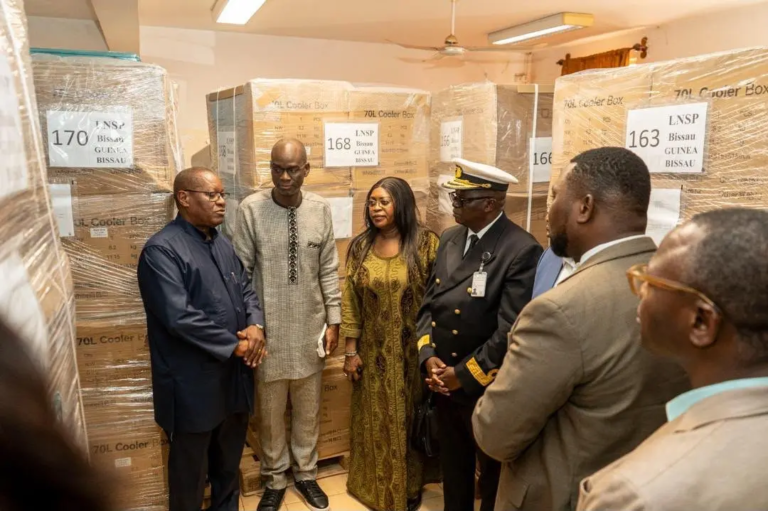
The CNE president, Mpabi Cabi, who had been detained for five days following the coup, appeared in public for the first time on Tuesday alongside Djalo.
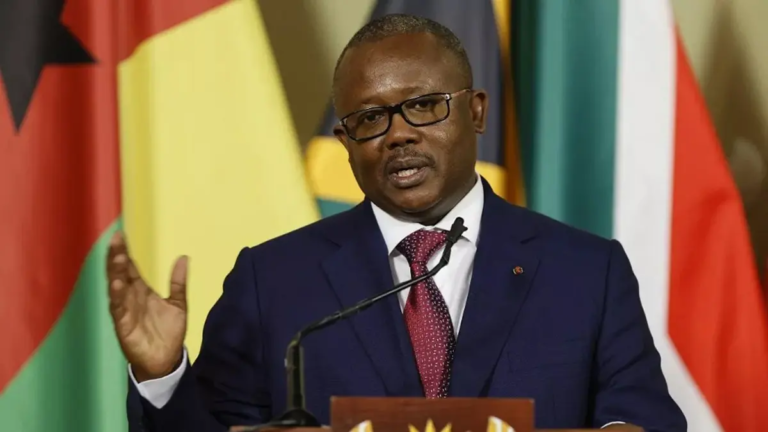
The motives behind the coup remain unclear, with speculation in some quarters that it may have been carried out with the backing of President Umaro Sissoco Embalo. Embalo has since taken refuge in the Republic of Congo following his overthrow, according to reports.
Guinea-Bissau, a former Portuguese colony, has a long history of political instability. Since gaining independence in 1974, it has suffered four coups and numerous attempted takeovers. One of the poorest countries in the world, it has now joined Burkina Faso, Mali, Madagascar, Niger and Sudan among states suspended from the African Union after military takeovers.