Trending
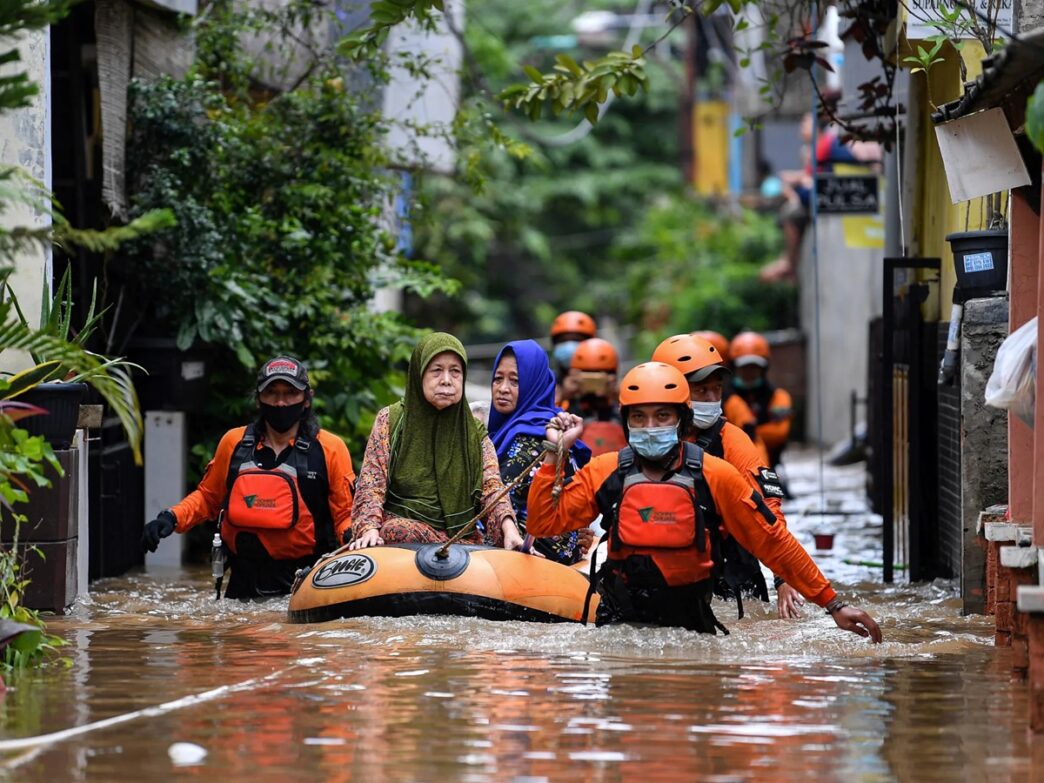
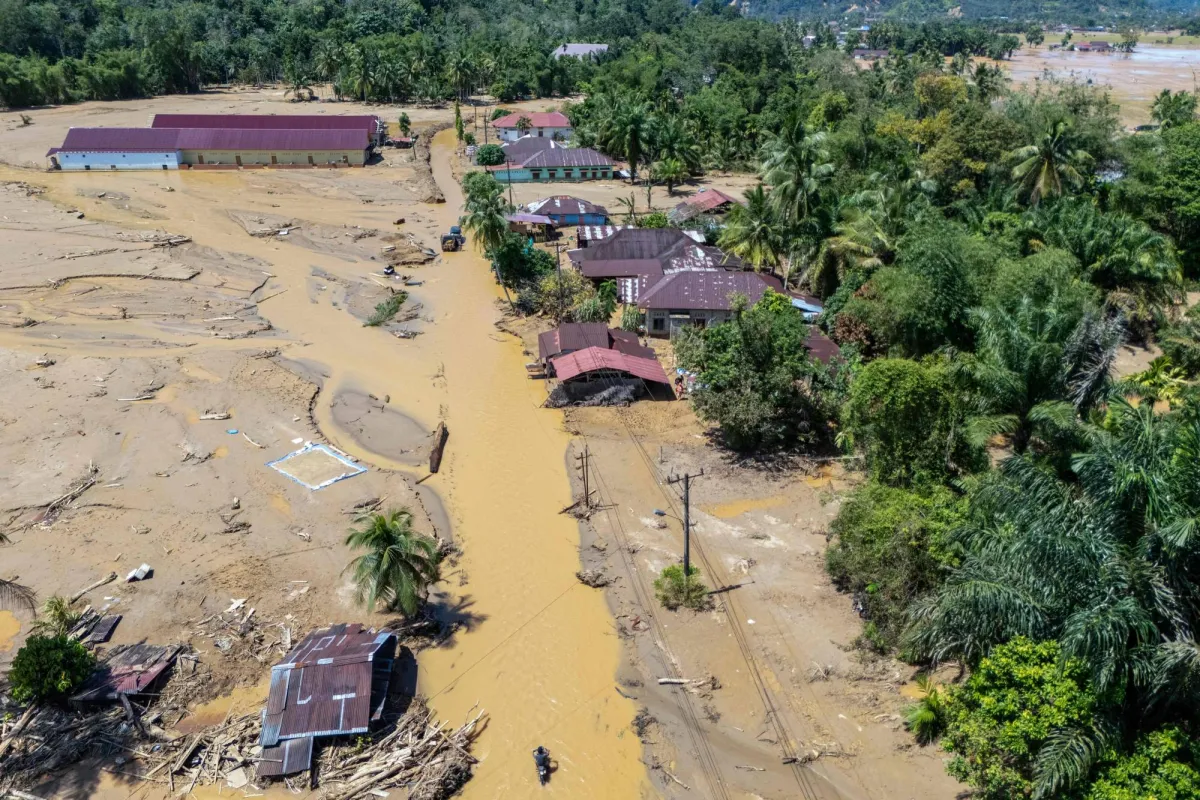
Nurlela Agusfitri has nowhere to turn after losing her home and business to devastating floods that wreaked havoc on her Indonesian island of Sumatra, killing more than 1,000 people. Nearly three weeks after the massive flood, victims and civil society groups have clamoured for international aid.
The latest government figures issued on Tuesday put the death toll at 1,030 people. Another 205 remain missing in the aftermath of one of the deadliest natural disasters to hit Sumatra’s resource-rich Aceh province.
Despite the efforts by the Indonesian government, frustration is mounting over sluggish relief efforts, which have fuelled demands on Jakarta to declare a national disaster and permit international assistance into affected areas.
Read More : North Korea Fires Ballistic Missiles
Nurlela said she had fled with her two children as the water lapped around her house in Pengidam village, where she used to run a kiosk selling goods like cooking oil and sugar.
“I saw my house destroyed, swept away by the water. My belongings were scattered everywhere. I cried when I saw it. Oh God, it was so difficult for me to build this house. Where will I go after this?” she said to AFP.
Before the waters came, dozens of families in Nurlela’s village relied on oil palm plantations and livestock farming for a living.
“People don’t even recognise the boundaries of their homes around here,” Villager Cahyo Aulia, a plantation labourer, stated.
In the provincial capital Banda Aceh, student groups and civil society organisations gathered outside the local parliament on Tuesday, demanding swifter action and greater mobilisation of national resources for relief efforts.
President Prabowo Subianto insisted on Monday that Jakarta had sufficient capacity to respond, arguing that only a part of the vast archipelago was affected.
“We have mobilised (resources). This is three provinces out of 38 provinces. So the situation is under control,” Prabowo told a cabinet meeting.
The president announced plans to establish a task force to oversee rehabilitation and reconstruction, while confirming he had declined offers of foreign assistance.
Surya Firdaus, founder of food assistance NGO Beulangong Raja Aceh Foundation, called on Jakarta “to lower its ego and accept foreign aid”.
“Now is no longer about showing off who can help the people, but how can we work together with other countries to help people affected by the floods,” he told AFP.
The provincial government in Aceh said it had already turned to several United Nations agencies for help, citing their previous aid campaigns in the wake of the 2004 tsunami.
According to a statement on Monday, the United Nations Children’s Fund (UNICEF), Indonesia said it had received the request and was identifying priority needs to bolster government-led efforts.
Sara Ferrer Olivella, resident representative of the United Nations Development Programme in Indonesia, said her agency was assessing early recovery support for authorities and affected communities in line with its mandate.
Back in 2004, foreign assistance in rehabilitation and reconstruction “was very helpful” and enabled relatively rapid recovery, said Revi Rinaldi, 45, whose food stall in Kesehatan village now serves as a makeshift shelter for his family.
“But today, with the wider impact of the disaster, we residents wonder why the government hasn’t opened up international aid,” he told AFP.
Read More : Trump: Planned Arch Will Serve as Military Base
Back in Pengidam, Nurlela said the future was uncertain.
“We are wondering where we’ll go after this if there’s no government assistance,” she said.
“Even if we get housing assistance from the government, we have no land anymore.”