Trending
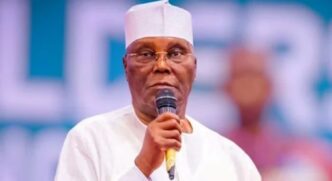
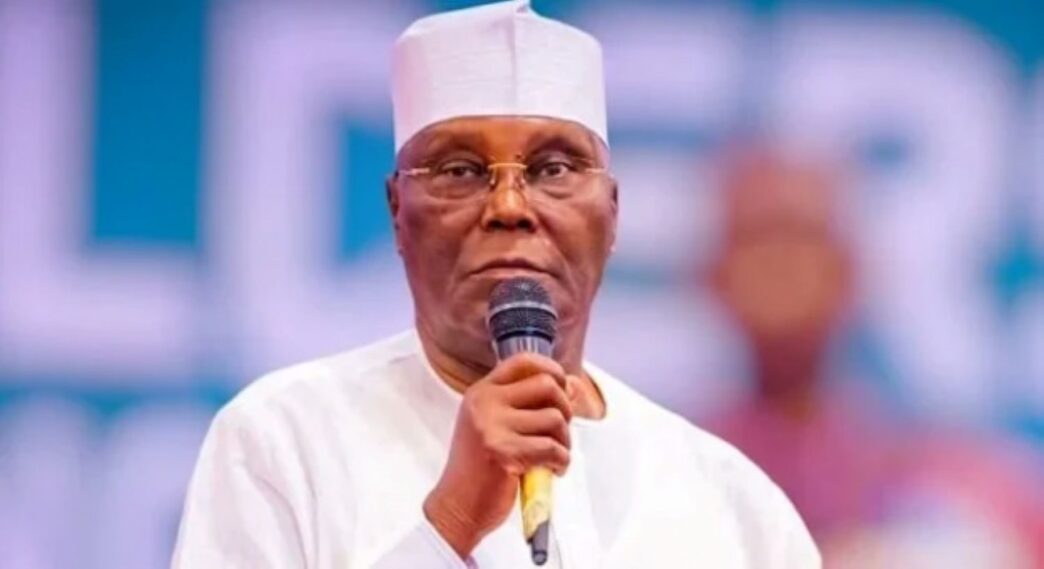
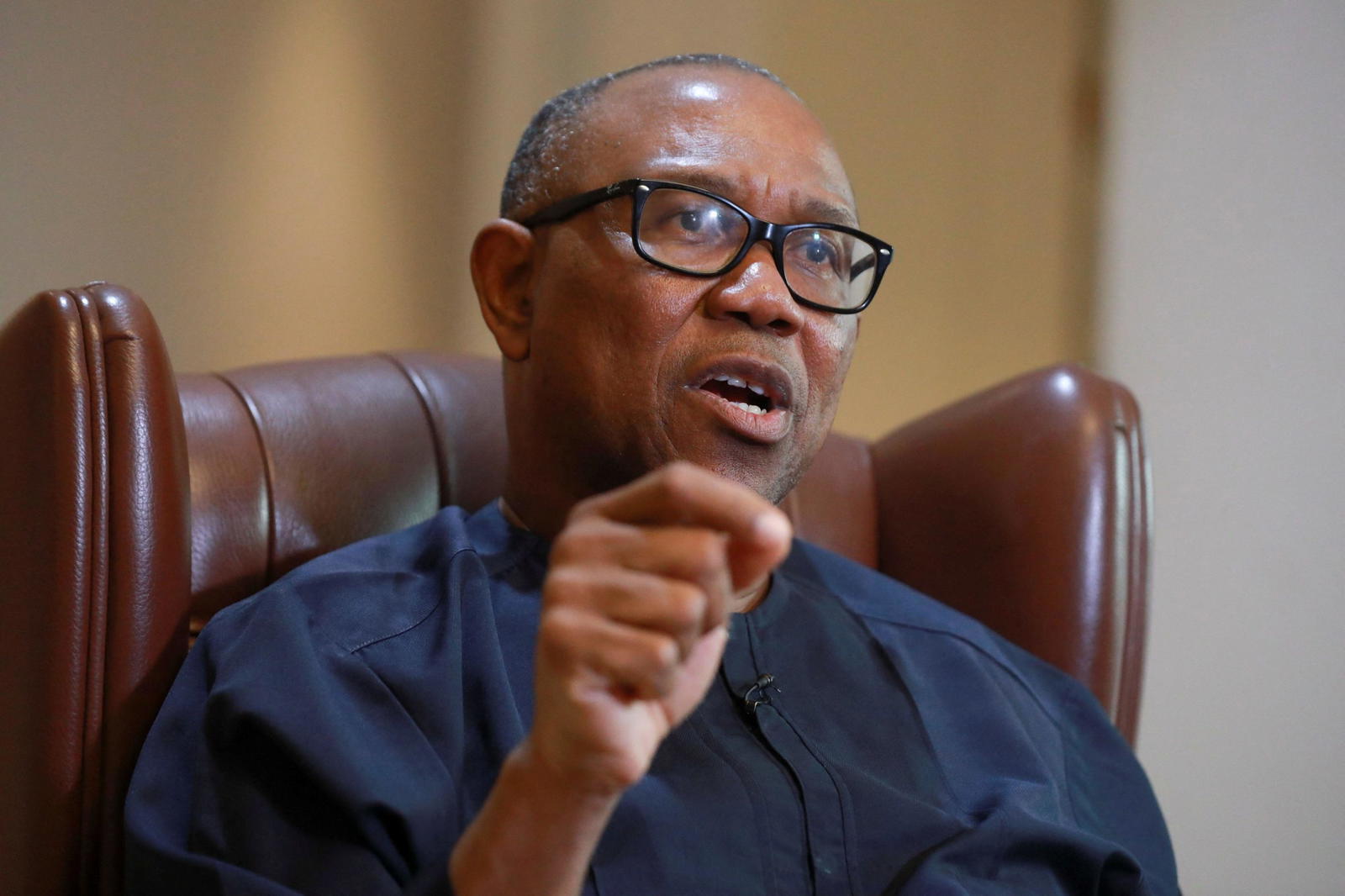
Former Vice President Atiku Abubakar and former Anambra State governor Peter Obi have criticised the economic policies of President Bola Tinubu, saying Nigerian workers are facing worsening hardship.
In separate Workers’ Day messages, both leaders drew attention to workers’ struggles, citing rising living costs and declining purchasing power.
Obi, in a post on X (formerly Twitter), described workers as the backbone of society, acknowledging their contributions across sectors such as education, healthcare, agriculture, and security. However, he noted that many are struggling to cope with inflation, high food prices and increasing transport costs, which have significantly eroded wages.
Read More : Abia Arrests 86 Over Sanitation Violations
Workers Are the Backbone of Every Nation
On this Workers’ Day, I warmly salute workers across the world, especially Nigerian workers whose daily sacrifices continue to sustain our families, communities, institutions, and national economy, even in the face of severe hardship and…
— Peter Obi (@PeterObi) May 1, 2026
He argued that the current minimum wage no longer supports a decent standard of living, stressing that workers who sustain the country’s economy are not receiving fair compensation for their efforts.
“It is deeply painful that those who wake up every day to teach, heal, build, farm, produce, transport, protect, and serve our nation are still denied the dignity and fair reward their labour deserves. In today’s Nigeria, the minimum wage can no longer guarantee even the most modest standard of living, as inflation, rising food prices, transportation costs, and economic hardship continue to erode the value of honest work.”
Obi also said national development depends on prioritising workers’ welfare, urging them to use their collective political influence to demand accountable leadership anchored on competence, credibility and good governance.
“I therefore urge Nigerian workers to recognise the strength they hold collectively. They owe it to themselves, their children, and future generations to support and demand leadership built on competence, character, capacity, credibility, and compassion. By refusing to reward failure, corruption, ethnic division, and bad governance, they can help build a nation where hard work is respected and rewarded with dignity.”
Atiku, in his message on X, said he observed the day in grief rather than celebration, accusing the administration of deepening economic hardship under its policy direction.
He said workers have borne the brunt of policies focused more on revenue generation than improving living conditions, adding that the removal of fuel subsidy, though necessary, was poorly executed.
#WorkersDay2026: Broken Promises, Shattered Hopes: The Nigerian Worker’s Burden Under the Tinubu Administration.
Every first day of May, nations across the world pause to honour the dignity of labour and the men and women whose sweat and toil sustain civilisation. In Nigeria,… pic.twitter.com/JrbTtZBYoC
— Atiku Abubakar (@atiku) May 1, 2026
” ‘Renewed Hope’ – those two words carried the dreams of millions of Nigerians who trooped to the polls in 2023. They were words that promised a departure from the suffering of previous years; a promise that the government would finally work for the people. Today, as we assess nearly three years of the Tinubu administration, it is painfully clear that what was renewed was not hope, but hardship. What was refreshed was not the fortunes of the Nigerian people, but the pockets of those in power.
“The Nigerian worker, the teacher, the nurse, the factory hand, the civil servant, the artisan, has been the primary victim of an administration that, by all observable evidence, is far more interested in increasing the revenue at its disposal than in improving the lives of the citizens it governs.”
According to him, the policy was implemented without adequate safeguards, triggering sharp increases in transport fares, food prices and overall cost of living.
Atiku also questioned the utilisation of savings from the subsidy removal, noting that despite reports of trillions of naira freed up, there has been little visible impact on the lives of ordinary Nigerians.
Read More : Gbajabiamila Denies PFIPC Allegations
He further raised concerns about transparency in government spending, including major infrastructure projects such as the Lagos-Calabar Coastal Highway.
“Trillions were ostensibly saved, but nothing gained by the people. The fuel subsidy removal freed up enormous sums of money. Billions of dollars that had previously been committed to keeping pump prices artificially low were suddenly available.
“Nigerians, who had suffered the immediate consequences of the removal, were right to ask: Where has this saved money gone? What has been done with it to improve their lives? The answer is deeply troubling.”