Trending
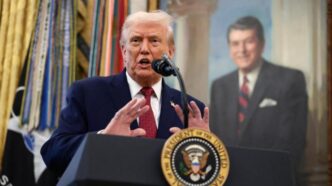
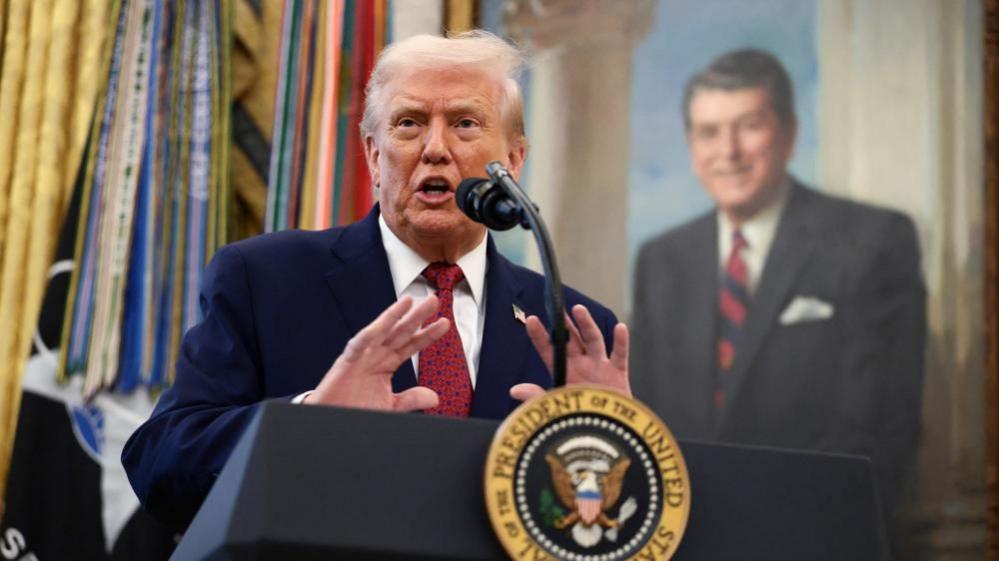
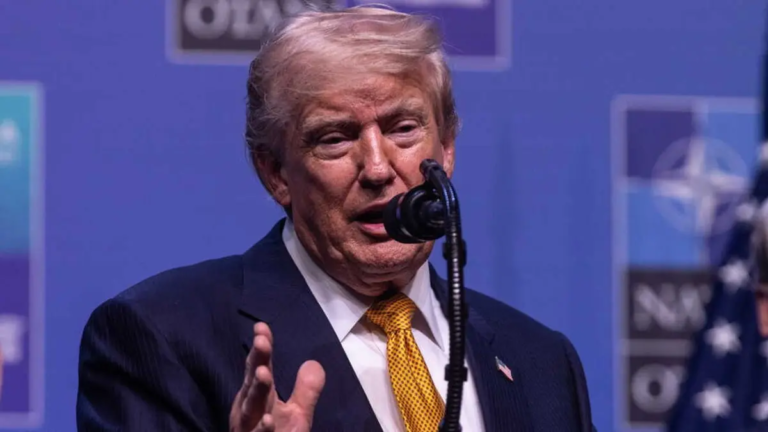
The United States on Tuesday expanded its travel restrictions on Nigeria and 14 other countries , placing the West African nation under partial entry limitations as part of a broader proclamation signed by President Donald Trump.
The decision was announced in a White House fact sheet titled “President Donald J. Trump Further Restricts and Limits the Entry of Foreign Nationals to Protect the Security of the United States,” issued Dec. 16, 2025.
The proclamation imposes new restrictions on entry into the United States for specific groups of travellers. The White House said both immigrants and non-immigrants travelling on B-1, B-2, B-1/B-2, F, M, and J visas are subject to the partial restrictions.
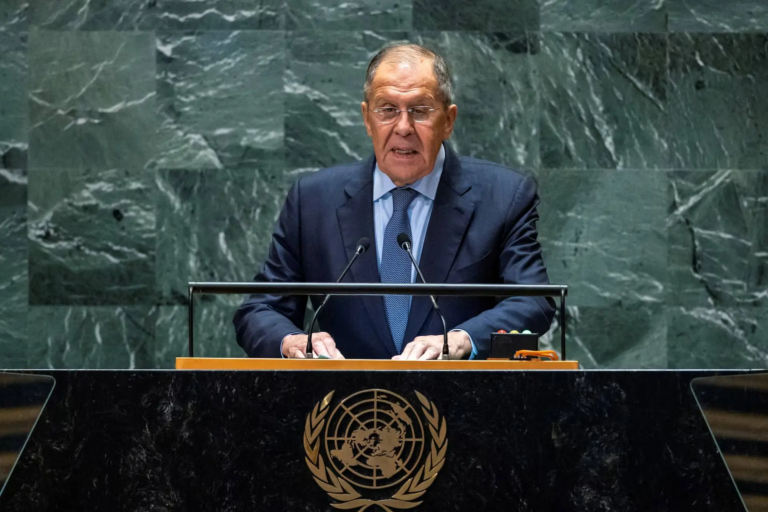
Read More : UNGA: Lavrov Offers Help in Gulf, Slams Europe
The administration said the measures are intended to address screening and vetting challenges and to reduce security and immigration risks.
“Today, President Donald J. Trump signed a Proclamation expanding and strengthening entry restrictions on nationals from countries with demonstrated, persistent, and severe deficiencies in screening, vetting, and information-sharing to protect the Nation from national security and public safety threats,” the White House announced on its website.
The fact sheet cited security and immigration concerns in explaining Nigeria’s designation. It said extremist groups, including Boko Haram and the Islamic State, operate in parts of the country, creating “substantial screening and vetting difficulties”.
It added that Nigeria recorded a 5.56 per cent overstay rate for B-1/B-2 visas and an 11.90 percent overstay rate for F, M, and J visas, according to U.S. overstay data.
Other African nations subject to partial restrictions include Angola, Benin, Côte d’Ivoire, Gabon, The Gambia, Malawi, Mauritania, Senegal, Tanzania, Zambia, and Zimbabwe. Antigua and Barbuda and Dominica were also added to the partial-restriction list.
The White House said the measures are necessary “to prevent the entry of foreign nationals about whom the United States lacks sufficient information to assess the risks they pose.”
The restrictions are to garner cooperation from foreign governments, enforce our immigration laws, and advance other important foreign policy, national security, and counterterrorism objectives, the White House added.
Under the proclamation, full entry restrictions remain in place for nationals of 12 countries previously designated as high risk: Afghanistan, Burma, Chad, the Republic of the Congo, Equatorial Guinea, Eritrea, Haiti, Iran, Libya, Somalia, Sudan, and Yemen.
Five additional countries, Burkina Faso, Mali, Niger, South Sudan, and Syria, were also added to the full-restriction list, along with individuals holding travel documents issued by the Palestinian Authority.
Laos and Sierra Leone, which were previously subject to partial restrictions, now face full entry limitations. The proclamation also continues partial restrictions for nationals of Burundi, Cuba, Togo, and Venezuela.
Turkmenistan, however, was granted limited relief after the administration said it had made significant progress in cooperating with U.S. authorities.
Read More : Trump Rejects Iran Proposal To Reopen Hormuz
The ban on non-immigrant visas for Turkmen nationals was lifted, while restrictions on immigrant visas remain.
The White House said the proclamation includes “exceptions for lawful permanent residents, existing visa holders, certain visa categories like athletes and diplomats, and individuals whose entry serves U.S. national interests.”
It also narrows certain “family-based immigrant visa carve-outs that carry demonstrated fraud risks, while preserving case-by-case waivers.”