Trending
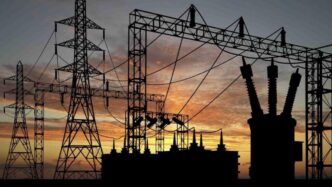
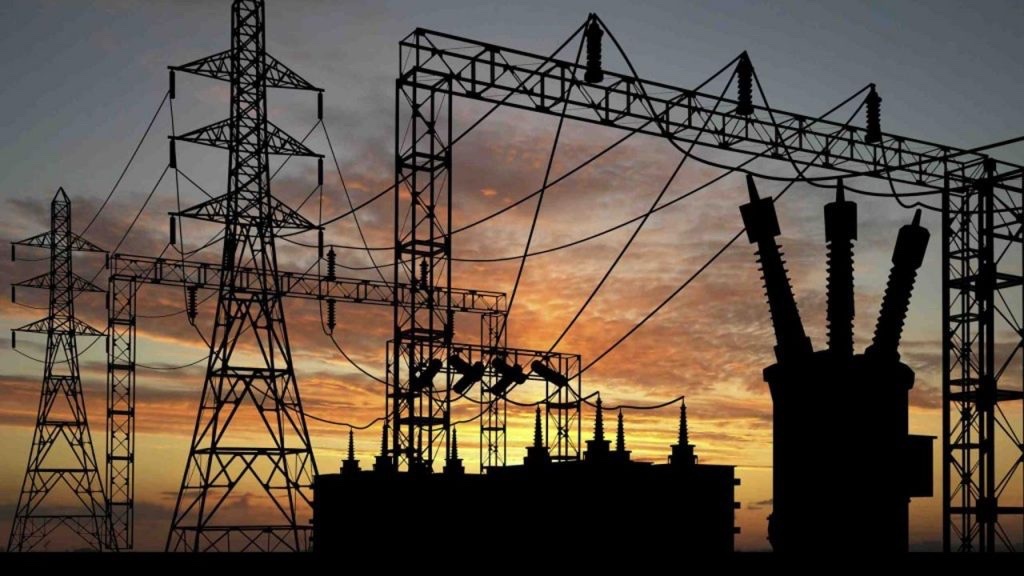
Sri Lanka will raise electricity tariffs by as much as 18 per cent from Monday as the country struggles with higher energy generation costs linked to the ongoing Middle East conflict, the Public Utilities Commission announced on Sunday.
Under the new adjustment, households and institutions consuming more than 180 kilowatt hours of electricity monthly will pay higher rates, while consumers below that threshold will not be affected.
The commission said the increase would apply to industries, hotels, businesses, government institutions and religious centres using more than 180 units of electricity monthly.
Read More : Washington Tightens Iran Economic Squeeze
“The increase will apply to industries, hotels, businesses and government institutions and religious places of worship consuming more than 180 units a month,” the commission said in a a statement.
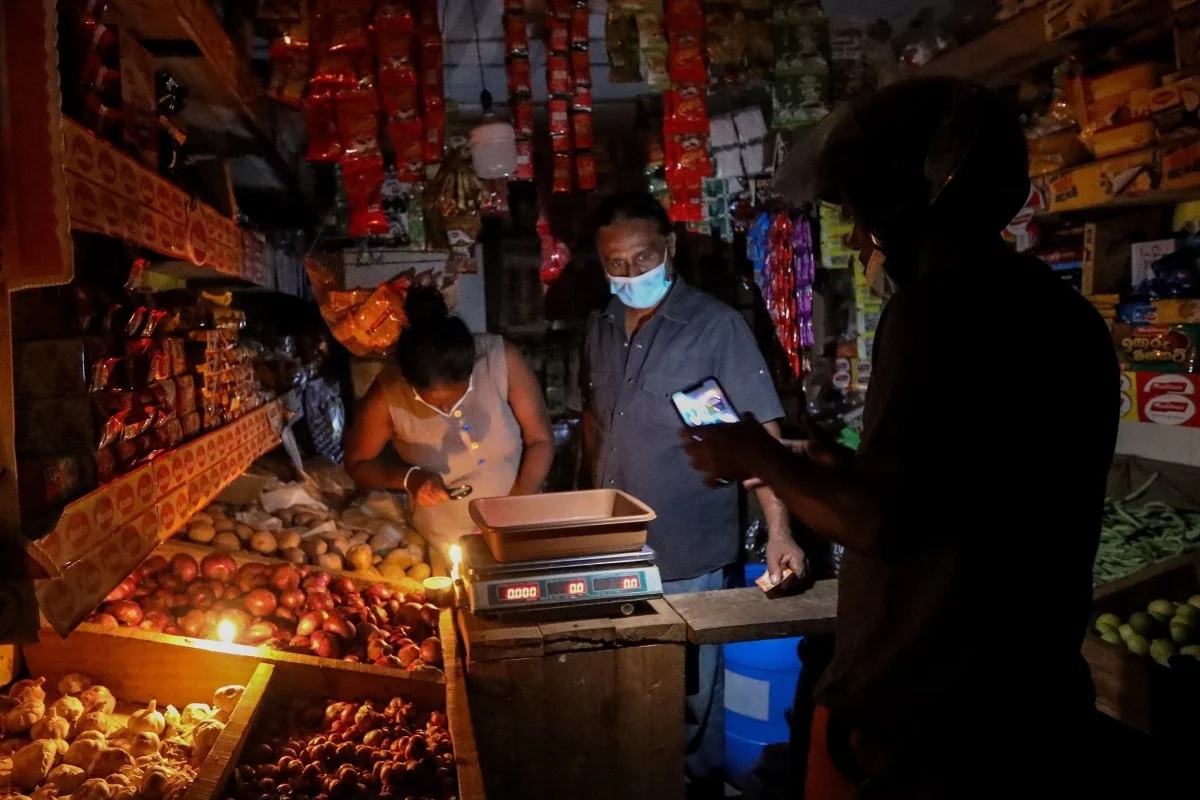
The move is aimed at covering the rising cost of generating power through thermal plants following disruptions in global energy markets caused by the Middle East war.
The tariff adjustment adds to a 40 percent electricity price increase introduced last month as authorities continue efforts to manage mounting energy pressures.
Sri Lanka has also increased fuel prices by more than 35 percent and introduced fuel rationing in response to supply disruptions. The rising cost of energy has pushed inflation higher, with official data showing inflation climbed to 5.4 percent in April.
Read More : UNGA: Lavrov Offers Help in Gulf, Slams Europe
The island nation has been gradually recovering from its 2022 economic crisis, when severe foreign exchange shortages left it unable to pay for essential imports, including food, fuel and medicine.
Recovery efforts were further complicated by a cyclone last year that killed at least 643 people and affected more than 10 percent of the country’s 22 million population. According to the World Bank, the disaster caused an estimated $4.1 billion in damage to infrastructure and agriculture.
Sri Lanka has been relying on a $2.9 billion bailout programme secured from the International Monetary Fund in 2023 to stabilise its economy, but rising energy costs continue to weigh heavily on the country’s fragile recovery.