Trending
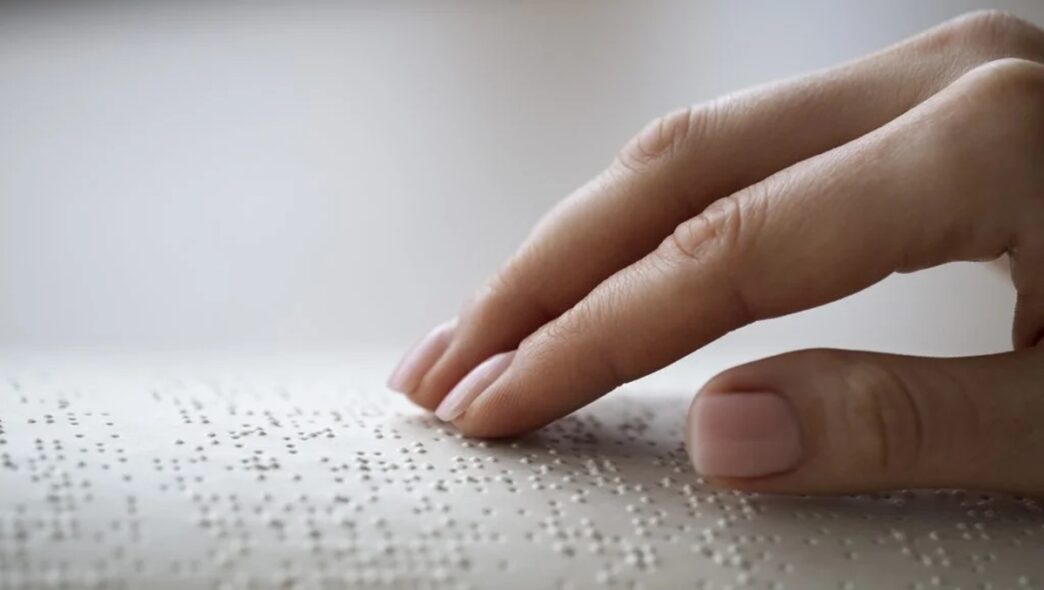
Every year on January 4, the world observes World Braille Day, an international awareness day that showcases the importance of Braille as a tool for literacy, communication, and inclusion for people who are blind or visually impaired.
Here are seven facts you should know about World Braille Day:
1. World Braille Day is officially recognised by the United Nations
The United Nations General Assembly proclaimed January 4 as World Braille Day in November 2018 through Resolution A/RES/73/161, with the first observance held in 2019. The day aims to raise public awareness about the importance of Braille in realising the full range of human rights for blind and visually impaired people
2. The day honours the inventor of Braille
World Braille Day coincides with the birthday of Louis Braille, born on January 4, 1809, in France. After losing his sight as a child, Braille developed the tactile reading and writing system that now bears his name. His six-dot system remains the global standard for Braille literacy more than two centuries later.
Credit: Brancharity
3. Braille is a complete reading and writing system
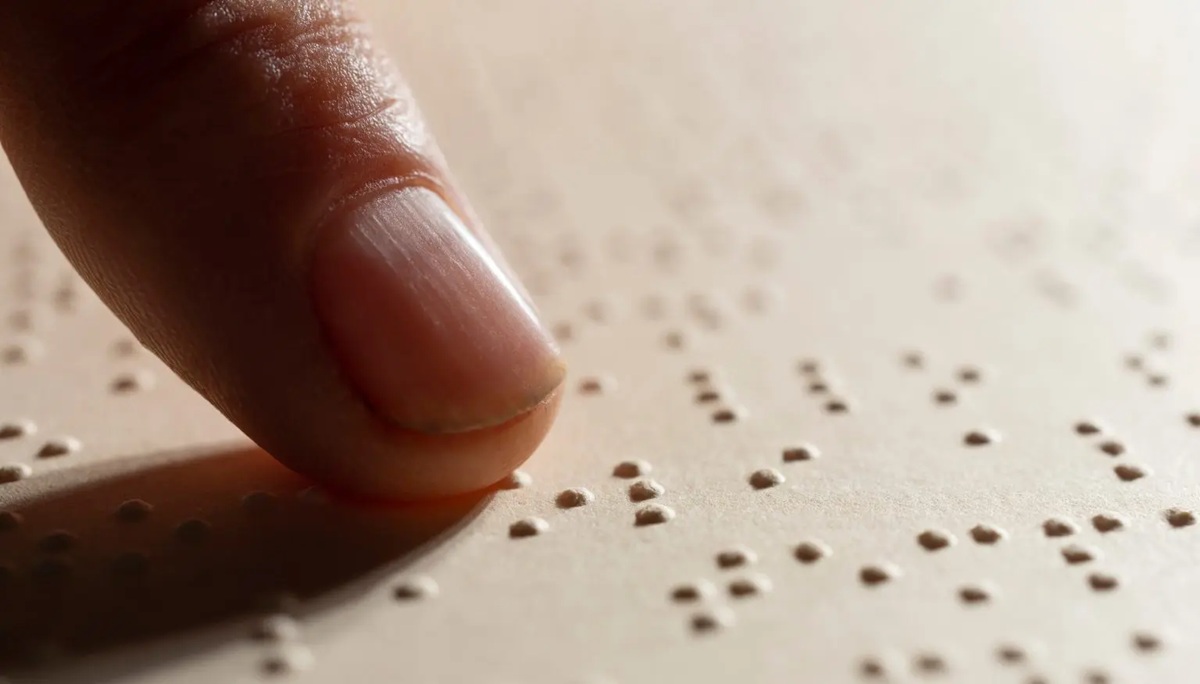
Braille is a tactile system of raised dots that represents letters, numbers, punctuation, and symbols for mathematics, science, and music. It allows people who are blind to read and write independently, giving them direct access to information rather than relying solely on audio or assistance.
4. Vision impairment affects over 2 billion people worldwide
According to the World Health Organisation (WHO), an estimated 2.2 billion people globally live with some form of vision impairment. At least 1 billion of these cases are preventable or remain untreated, showcasing significant gaps in access to eye care, education, and assistive services.
5. Braille is essential for literacy, not just access
Experts emphasise that access to audio information does not equal literacy. Braille enables users to understand spelling, grammar, sentence structure, and written comprehension, core literacy skills required for education, employment, and lifelong learning. The United Nations recognises Braille as a key medium of communication for people who are blind. Without Braille, many would have limited access to written language and information.
6. Braille is protected under international human rights law
World Braille Day emphasises that accessible communication, including Braille, is essential to human rights such as education, freedom of expression, access to information, and social inclusion. The United Nations Convention on the Rights of Persons with Disabilities (CRPD) explicitly recognises Braille as a means of communication necessary to fully realise these rights.
7. Braille remains relevant in the digital age
Despite advances in technology, Braille has not become obsolete. Modern tools such as refreshable Braille displays and Braille-enabled digital devices allow users to read online content, write documents, and engage in professional and educational environments. The United Nation stresses that technology should complement Braille, not replace it.
World Braille Day serves as a reminder that literacy is a right, not a privilege. Without access to Braille and other accessible formats, millions of people with visual impairments face barriers to education, employment, and social participation.
As societies become increasingly information-driven, inclusive communication systems are essential to ensure no one is left behind.