Trending
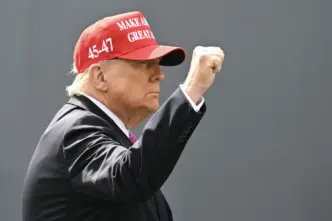
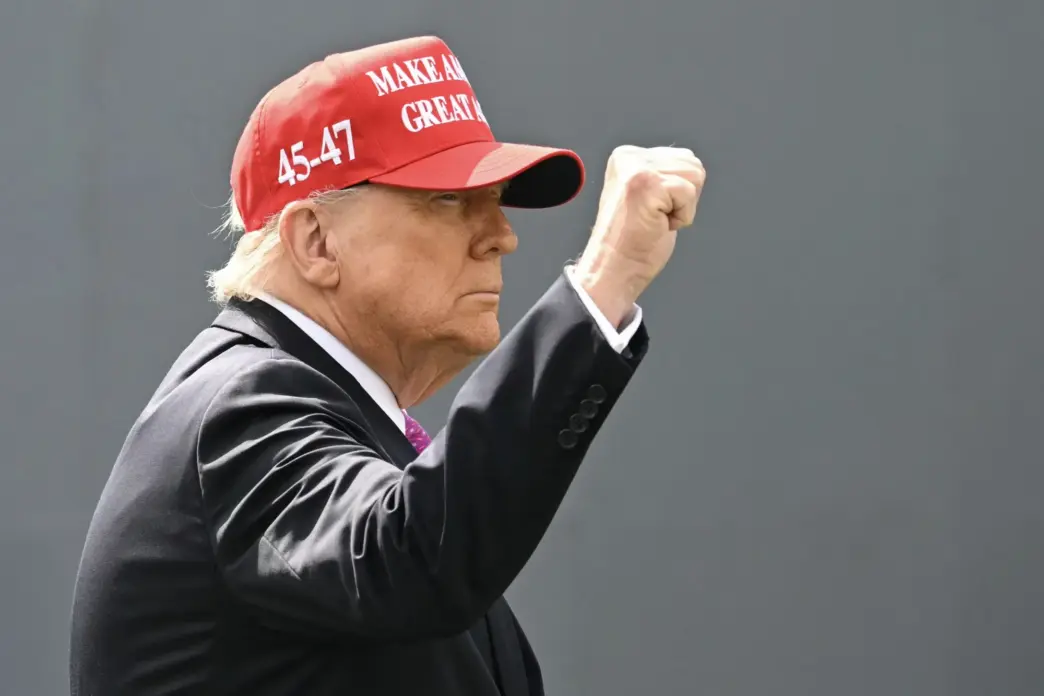
President Donald Trump’s recent military operation in Venezuela, in which President Nicolás Maduro was captured and flown to the United States on drug-trafficking and “narco-terrorism” charges, has naturally shattered long-standing norms of international conduct and ignited a geopolitical firestorm.
The geopolitical floor has fallen out. With the capture of Nicolás Maduro by U.S. Delta Force teams in “Operation Absolute Resolve,” the Trump administration has not just crossed a line; it has erased the map. By treating South America as a “backyard” for direct military policing, by threatening he may apply similar coercive pressure on Cuba and Colombia, suggesting diplomatic or even economic leverage to reshape their political landscapes, and also eyeing Greenland with the hunger of a 19th-century imperialist, the U.S. has signalled a shift from being the guarantor of international law to its most powerful disruptor.
The Death of Sovereignty
For decades, the U.S. maintained a thin but vital veneer of rules-based order. Even when intervening, it sought the cover of UN resolutions or NATO coalitions, such as during the Gulf War and when it returned to Iraq to remove Saddam Hussein, albeit under the pretext of getting rid of weapons of mass destruction.
Read More : Defections, Divisions and Tinubu’s 2027 Edge
By unilaterally seizing a sitting head of state on drug charges and declaring that the U.S. will now “run” Venezuela, Trump has established a new precedent: might is right. Blunt U.S. interventions may erode the normative distinction between legitimate defence and power projection.
If the U.S. can annex a neighbour’s resources under the “pretext” of national security or crime, the logic for adversaries is simple: We can do it too.
There is real concern that authoritarian leaders abroad, notably China’s Xi Jinping, Russia’s Vladimir Putin, and even North Korea’s Kim Jong-un, may feel both emboldened and justified in pursuing their own territorial or military objectives.
With the rules-based order appearing selectively enforced, Moscow might interpret weakened Western resolve as an opportunity to consolidate or escalate its actions in Ukraine.
Beijing could similarly accelerate pressure on Taiwan, calculating that global attention is fractured and that major powers are ill-prepared for confrontation. Pyongyang may exploit the moment to intensify missile tests or cross-border provocations, betting on geopolitical distraction and strategic advantage.
Critics argue that Trump’s strategy risks normalising unilateral interventions and empowering rival great powers to act forcefully without fear of a unified international response, increasing the likelihood of miscalculation, regional wars, or even a broader global conflict.
The Greenland Gambit and NATO Fracture
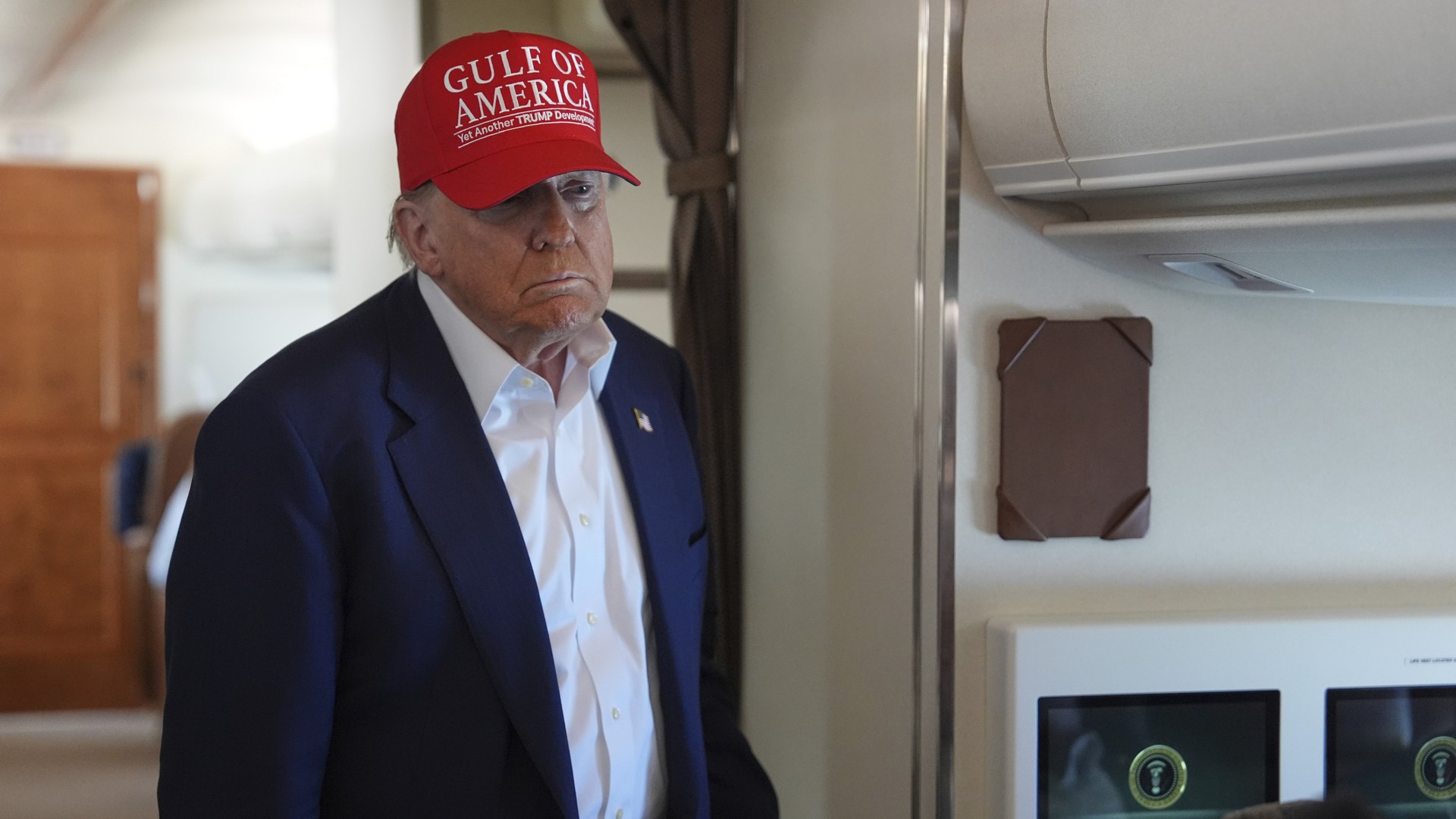
Trump’s “either the nice way or the difficult way” ultimatum regarding Greenland is perhaps the most destabilising threat of all. By threatening a founding NATO member, Denmark, the U.S. is effectively dismantling the Western shield.
If Article 5 is conditional on a small nation selling its territory to Washington, the alliance is effectively dead.
This vacuum is exactly what Xi and Putin need. A world where the U.S. is busy threatening its own allies is a world where Taiwan and the Baltics are suddenly, terrifyingly, alone.
The “Forever President” Theory
Some analysts are increasingly sounding the alarm on a darker motive. By stoking unhinged conflicts on multiple fronts, Venezuela, Colombia, Cuba, and the Arctic, Trump may be manufacturing a state of permanent global emergency.
Under the cloud of a looming “World War III,” the domestic pressure to maintain “stability” could be used as a lever to challenge constitutional term limits or delay the 2028 transition.
A World Without Referees
The danger is no longer just a “rogue” U.S. foreign policy; it is the total collapse of the deterrents that prevented a global conflagration. When the world’s leading superpower adopts the tactics of a revisionist empire, it validates the “unhinged” impulses of every other nuclear-armed autocrat. We are no longer watching a series of isolated diplomatic spats; we are witnessing the dismantling of the post-WWII peace.
If Trump continues to treat the globe as a Monopoly board, he may find that the other players will no longer play by the rules, and they could simply flip the table.
The reverberations of the Venezuela raid are only beginning to be felt, but one thing is clear: the balance between deterrence and disorder in global politics has become significantly more precarious.