Trending


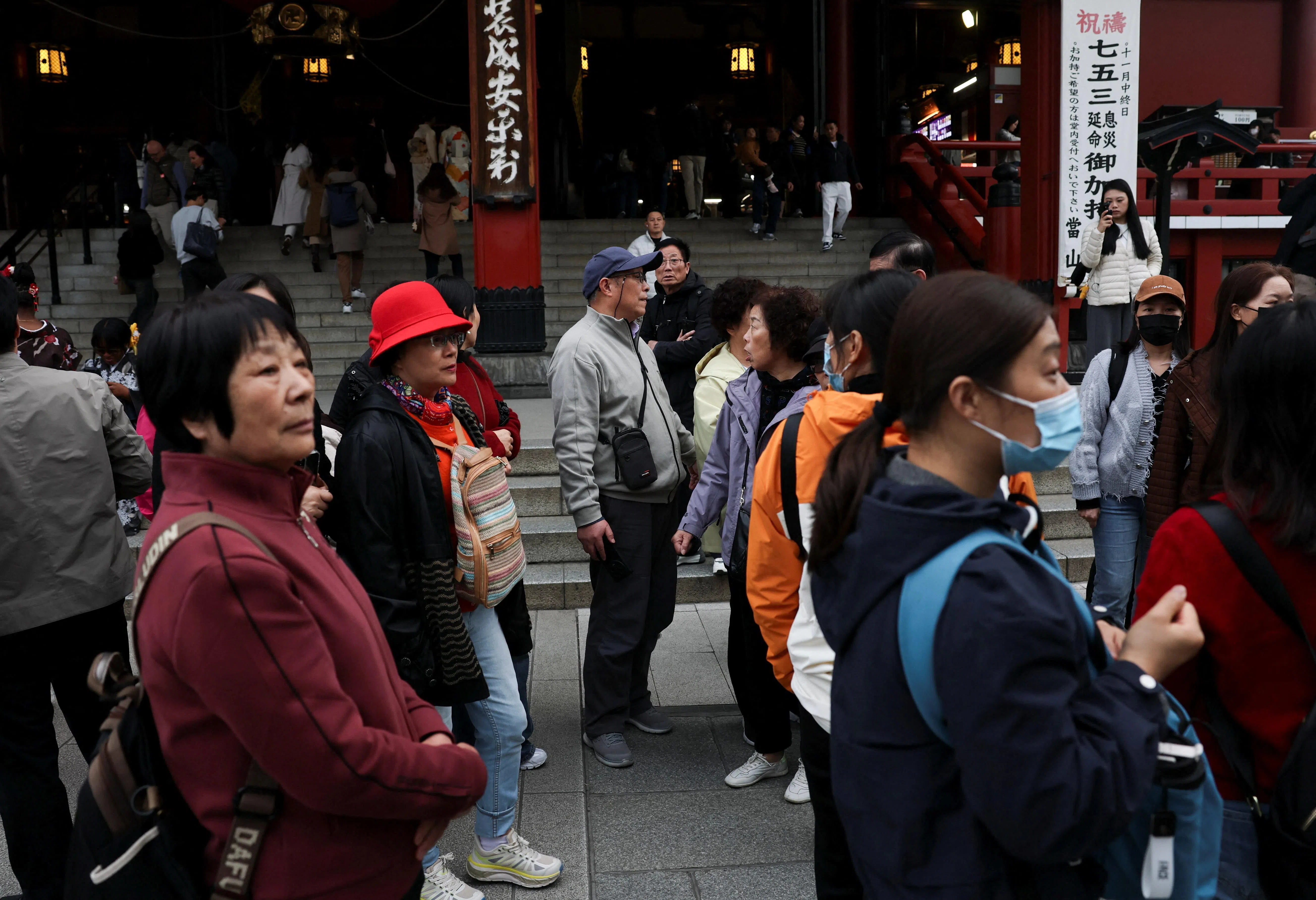
The number of mainland Chinese tourists visiting Japan plummeted by 60.7% this January compared to the previous year, signalling a severe deepening of the diplomatic crisis between the two neighbours.
While the Japan National Tourism Organisation partially attributed the decline to the shifting timing of the Lunar New Year, the primary driver remains a travel warning issued by Beijing.
Citing “significant risks to personal safety,” the Chinese government has actively discouraged its citizens from travelling to Japan, leading to reduced flight frequencies and a sharp end to the shopping boom previously fuelled by the weak yen.
Read More : Floods Kill Four in Eastern Spain
This tourism collapse follows a series of high-stakes geopolitical confrontations sparked by the hawkish stance of Japan’s first female prime minister, Sanae Takaichi.
Since taking office in October, Takaichi has suggested that Japan might intervene militarily to protect Taiwan, a statement that infuriated Beijing.
The tension has spilt over into military posturing, with reports of Chinese J-15 jets locking radar on Japanese aircraft near Okinawa and Beijing tightening export controls on rare-earth minerals essential to Japanese industry.
Even the symbolic return of Japan’s last two pandas to China last month underscored the deteriorating relationship.
In the absence of the once-dominant Chinese contingent, South Korea has emerged as Japan’s largest source of international visitors, with arrivals jumping over 21% to 1.2 million in January.
Despite the regional shift, overall foreign tourism to Japan dipped by 4.9%.
The loss of Chinese spending power—traditionally the highest among visitor groups—presents a significant challenge to Japan’s service economy, which had grown accustomed to the “explosive buying” habits of mainland travellers.
Looking ahead, the diplomatic deadlock shows little sign of easing.
Fresh off a landslide victory in the February 8 snap elections, Prime Minister Takaichi has vowed to bolster national defences and “steadfastly protect” Japanese territory.
While she maintains she is open to dialogue, Beijing has dismissed her overtures as insincere, accusing Tokyo of attempting to “revive militarism.”
With four more years of Takaichi’s leadership secured, the path toward a tourism recovery for the two nations remains blocked by fundamental disagreements over regional security.