Trending

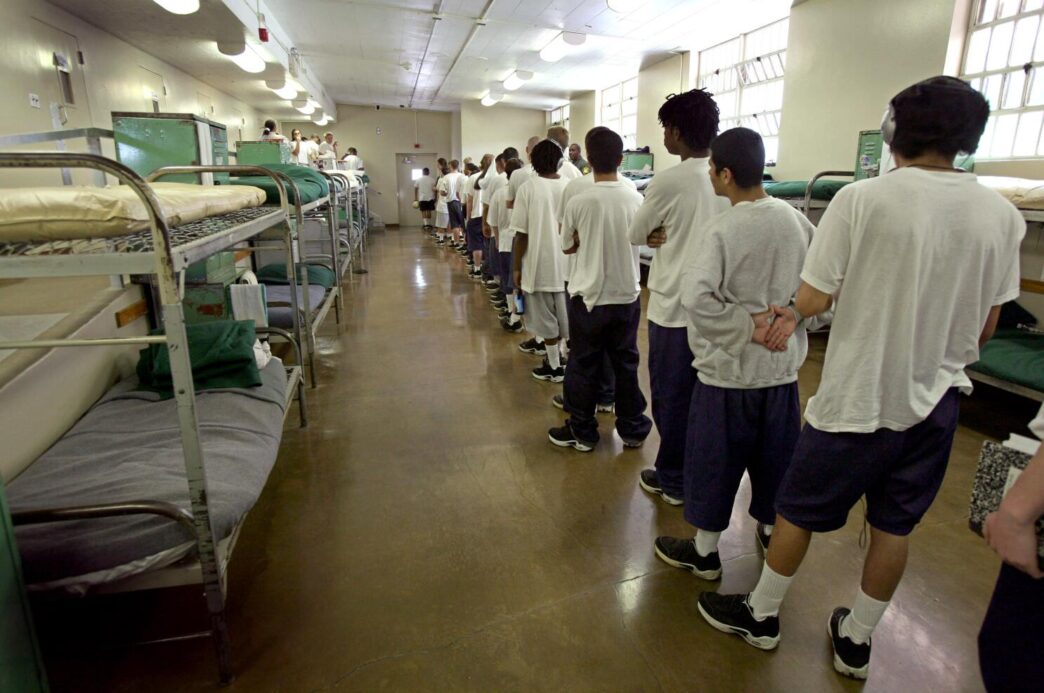
The Swedish government on Thursday revealed details of how prison life will operate for children as young as 13 convicted of serious crimes, prior to a controversial reform set to take effect on July 1.
The minority right-wing administration, backed by the far-right Sweden Democrats, announced in January that it would lower the age of criminal responsibility from 15 to 13 as part of efforts to combat rising gang-related violence.
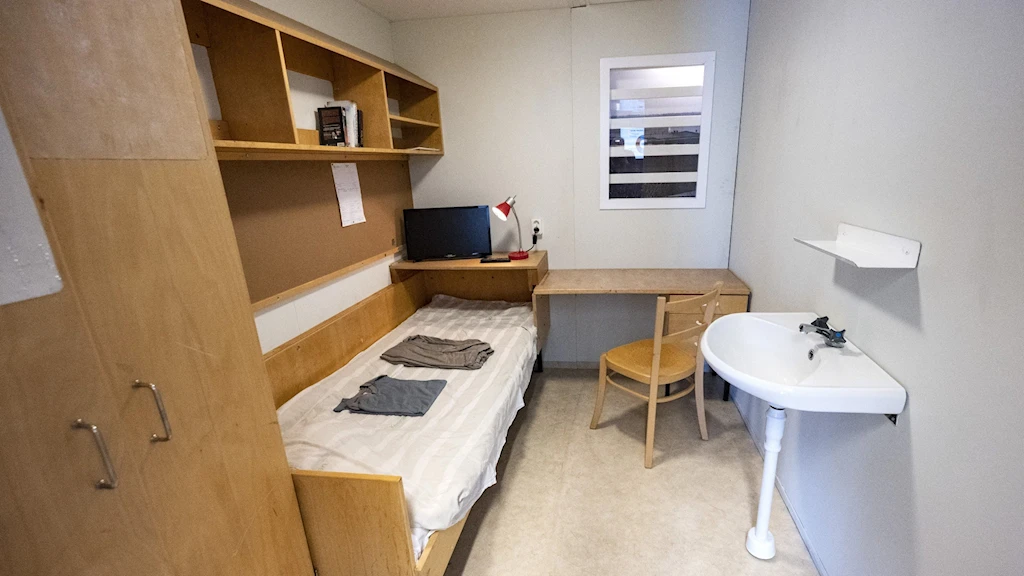
Under the new framework, eight existing prisons have been tasked with establishing dedicated sections for juvenile offenders. Three of the units are expected to open when the law enters into force in July.
Justice Minister Gunnar Strömmer said the young inmates would be housed separately from adult prisoners and subject to modified detention conditions.
Children will be locked in their cells overnight for 11 hours, compared to 14 hours for adult inmates.
They will also attend school during the day and have access to separate facilities, including a cafeteria, a recreation yard, a gym, and an infirmary.
“Society and crime have changed fundamentally,” Strommer told a press conference.
“Young people in general commit fewer crimes. But those who do, commit more and much more serious crimes,” he said, adding that “it is much more common for youths to use weapons and explosives.”
The reform follows more than a decade of rising organised violent crime in Sweden, driven largely by rival gangs competing for control of the drug trade.
Authorities say criminal networks have increasingly recruited children under 15 online to carry out shootings and bombings, knowing they could not previously face prison sentences.
There has been strong opposition to the proposal. The police and prison service were among the 126 government agencies consulted, and the majority expressed disapproval or outright opposition.
Read More : Bolsonaro Defies Exit Ban, Flees to US
Children’s rights organisation Bris said the reform was “counter-productive, insufficiently researched and violates children’s rights”.
The group warned that imprisoning children at such a young age could increase repeat offending and push gangs to recruit even younger minors.
The government has said the measure will initially be temporary, limited to five years, after which it will be evaluated.