Trending


Africa’s floriculture industry demonstrated its global strength during the 2026 Valentine’s season, moving over 7,000 tonnes of flowers from Kenya and Ethiopia in just a few weeks. The surge shows both the continent’s logistical capabilities and the pressures on air cargo and cold-chain systems.
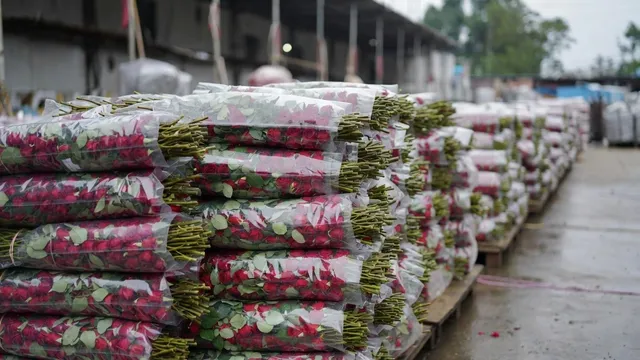
According to industry sources, Ethiopia airlifted 3,425 tonnes of flowers, while Nairobi-based operators shipped more than 3,100 tonnes to Europe, using 31 Boeing 747 freighter flights. Each flight carried over 100 tonnes of flowers, and Nairobi alone handled more than 1,300 pallets, averaging 2.3 tonnes per pallet.
High Demand, Tight Timelines
The Valentine’s window compresses months of cultivation into just a few weeks. Cargo planes from Nairobi and Addis Ababa fed auction floors, wholesalers, and retail chains across Europe and the Gulf.
At Liège Airport in Belgium, a key hub for African flower exports, 13,850 tonnes were processed in four weeks, supported by 45 additional charter flights. Individual shipments were valued at up to US$1 million, indicative of the high stakes of Africa’s flower trade.
Arnold Mukonza, a Kigali-based supply chain manager, said the rush “highlights both opportunity and risk. While demand is surging, infrastructure bottlenecks in air cargo and cold storage remain a pressing concern.”
He noted the need for investment in “specialised freighter fleets” and “temperature-controlled handling” over the next five years.
Kenya and Ethiopia Lead the Market
Kenya remains one of the world’s top flower exporters, with roses accounting for 66% of export value. Ethiopia has also grown rapidly as a key airfreight hub. Together, the two countries rank among the top 10 global cut-flower exporters.
Flights from Nairobi to Western Europe take about eight hours, shorter than transatlantic routes from Latin America, reducing fuel costs, transit risk, and spoilage.
Dubai’s flower hub also processed 227,530 kilograms in five days ahead of Valentine’s, nearly doubling normal throughput, with most shipments originating from Kenya and Ethiopia.
“Flowers harvested in Kenya’s Naivasha basin or Ethiopia’s highlands must reach auction floors within hours, not days. Cold-chain integrity between 2–8°C is maintained throughout transit,” said Emirates SkyCargo.
A Growing and Strategic Industry
Beyond Valentine’s, Africa’s air cargo sector is evolving from a secondary revenue source into a strategic corridor for perishables, pharmaceuticals, electronics, and e-commerce.
Investments in narrow-body freighters, upgraded cargo terminals, and digitised customs clearance are expanding capacity across the continent.
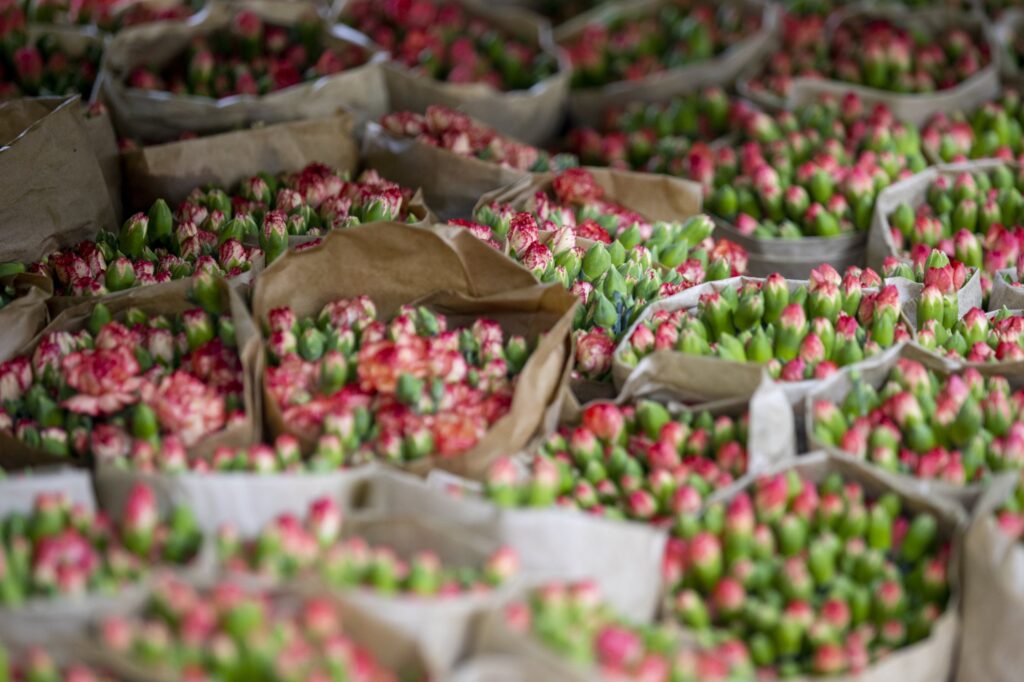
The floriculture sector also plays a major social role. In Kenya, over 90,000 people work directly on farms, while 500,000 depend on the industry.
Women make up at least 50% of the workforce, performing tasks from harvesting to bouquet-making. The industry also supports education, healthcare, and local infrastructure in producing regions.
A Look Ahead
Roughly 17% of the world’s cut flower trade, worth US$1.4 billion a year, comes from Africa. Ethiopia contributes 2% and Kenya 7%. Africa’s floriculture industry is expected to remain globally competitive thanks to investments in cold-chain logistics and expanding markets in Asia and the Gulf.
Credit: Bonface Orucho, Bird Story Agency.