Trending
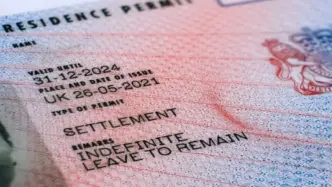
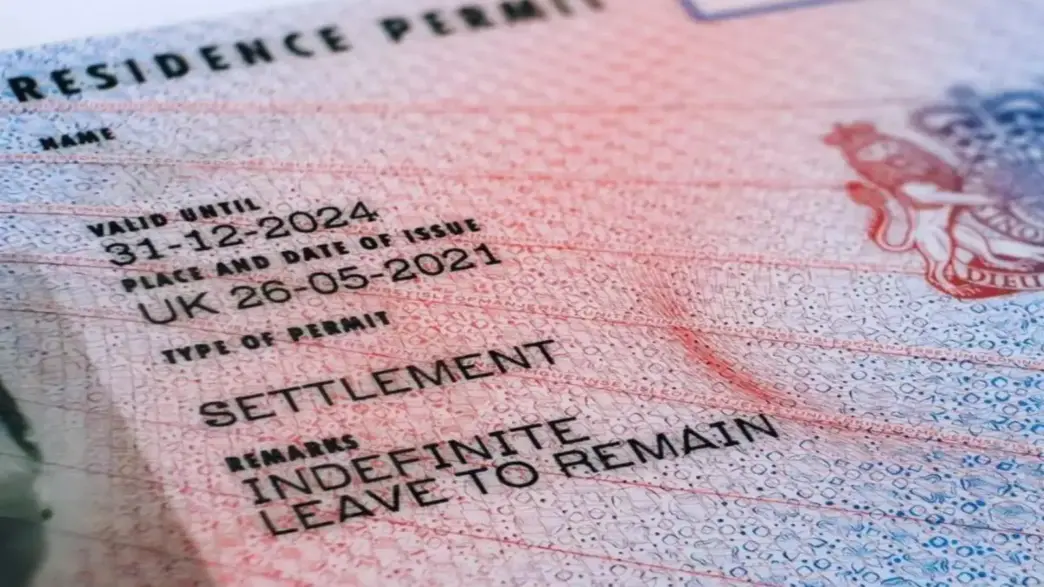
The United Kingdom will implement changes to its asylum system on Monday, the Home Office has announced.
The reforms reduce the length and security of refugee protections for adults and their dependent children.
Under the new rules, “refugee status will become temporary and subject to review” every 30 months.
Read More : Mauritania Students Protest Transport Fare Hike
The Home Office said in a statement released late Sunday that the changes will take effect on March 2.
After the initial 30-month period, “refugees with a continuing need of sanctuary will have their protection renewed, while those whose countries are now deemed safe will be expected to return home.”
An exception applies to unaccompanied minors.
They will continue to receive protected status for five years “while the Government considers the appropriate long-term policy for this group”.
“We must also ensure our asylum system is not creating pull factors that draw people on dangerous journeys across the world, fuelling and funding the human traffickers.”
The reforms were first announced in November. Home Secretary Shabana Mahmood said the previous system was more generous than those in other European countries and stated that the changes are intended to reduce incentives for people to undertake dangerous migration journeys and to limit the activities of human trafficking networks.

The policy shift comes coupled with increased support for Nigel Farage’s Reform UK party.
However, charities and some lawmakers from Prime Minister Keir Starmer’s Labour Party have criticised the changes, saying they could disrupt the lives of refugees who have settled in the UK.
Additional proposals, including extending the period before refugees can apply for permanent residency from five years to 20 years, will require approval by Parliament.
The government said it drew inspiration from Denmark, which has seen a huge reduction in asylum applications over the past four decades following stricter immigration policies.
According to a Home Office report released in November, more than 110,000 people applied for asylum in the UK in the year ending September 2025.
Read More : Brazil’s Lula Turns 81, Vows 24-Hour Workday
This represents a 13 percent increase from the previous year and a 7 percent increase compared to the previous peak of 103,081 applications in 2002.
The largest groups of applicants were from Pakistan, Eritrea, Iran, Afghanistan and Bangladesh.
While asylum applications reached a record level, the number of refusals also increased. Initial-stage approval rates rose slightly in 2025 compared to 2024.