Trending


The United Nations has warned that nearly 9% of the global population could remain in extreme poverty by 2030, putting the goal of eradicating extreme poverty under the Sustainable Development Goals at risk.
In 2025, 808 million people, around one in 10 worldwide, lived on less than US$3 per day, according to updated international poverty line calculations.
“Eradicating extreme poverty for all people everywhere by 2030 is a pivotal aim of the Sustainable Development Goals,” the agency stated.
While extreme poverty has decreased over recent decades, progress has slowed.
“If current trends continue, 8.9 per cent of the world’s population will still live in extreme poverty by 2030,” it added.
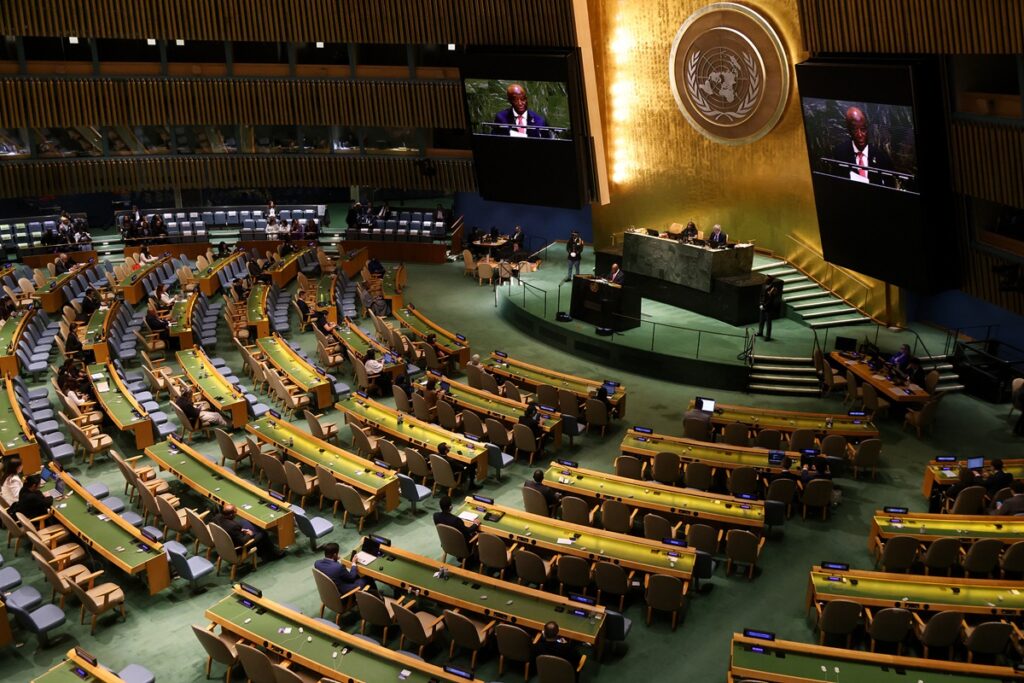
The UN also reported a rise in global hunger to levels last recorded in 2005 and noted that food prices are increasing in more countries than in 2015–2019.
Poverty is driven by multiple factors, including unemployment, social exclusion, and vulnerability to disasters and disease.
The UN noted that poverty and inequality can affect economic growth, social cohesion, and political stability.
Social protection systems are critical to reducing vulnerability.
Despite expansions during the COVID-19 pandemic, about 47.6% of the world’s population, approximately 3.8 billion people, including 1.4 billion children, remain without coverage. Most recent social protection measures implemented by governments were short-term.
The UN called for coordinated action across governments, the private sector, and communities to expand employment opportunities, promote inclusive growth, and improve access to basic services.
The organisation said sustained efforts are needed to reduce poverty and ensure that no one is left behind by 2030.