Trending
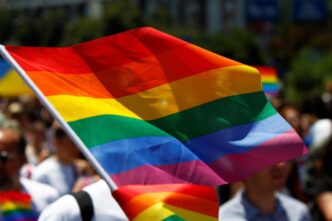
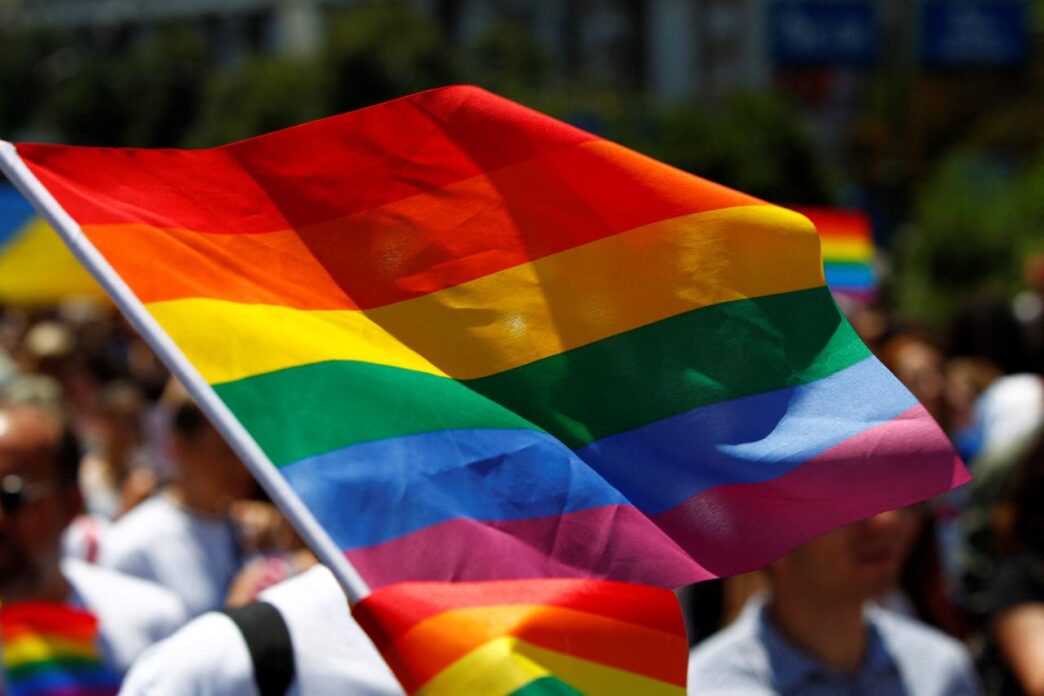
Senegal has seen a significant increase in the repression of same-sex relations, characterised by a rise in arrests and public hostility.
Prime Minister Ousmane Sonko has proposed new legislation that would double the maximum prison sentence for same-sex acts to 10 years and penalise LGBTQ+ advocacy with up to seven years in prison.
This intensified crackdown in the Muslim-majority nation has led to reports of “public lynching” through the media and social platforms, where the names of detainees are being publicised and unverified videos of assaults are circulating.
The atmosphere has become so perilous that many in the LGBTQ+ community have gone into hiding or are seeking exile in neighbouring countries like Gambia.
Human rights groups report an increase in requests for help to leave the country, with individuals citing threats, family expulsion, and fear of arrest.
Furthermore, the use of HIV status as evidence in legal proceedings has sparked public health concerns, as experts warn it may discourage people from seeking testing or medical care.
Read More : Senegal Ruling Party Rejects Revised Budget
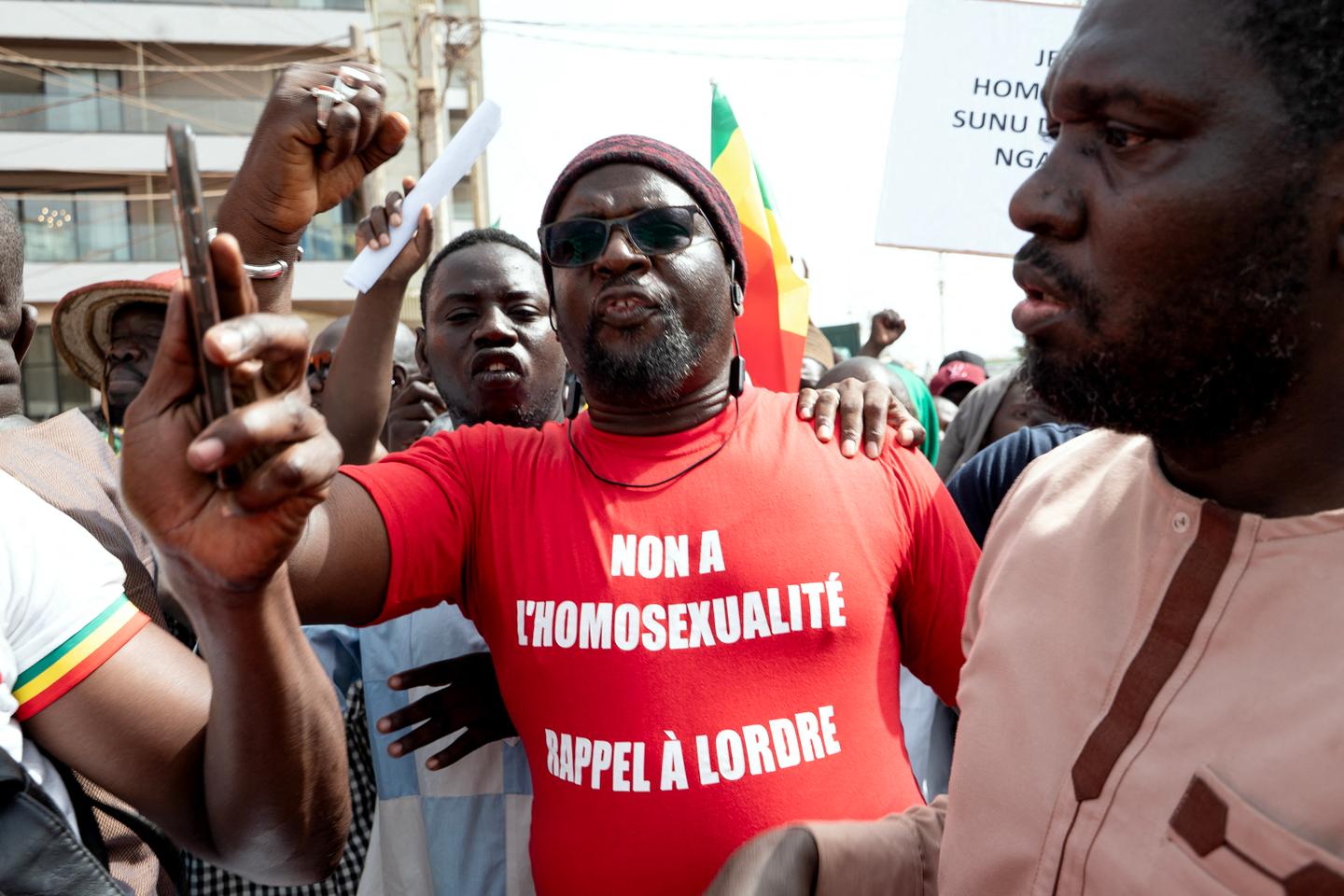
While international observers and some advocates denounce the violence as a violation of universal principles, local sentiment remains largely supportive of harsher penalties.
Some domestic human rights figures have even backed the proposed laws, framing same-sex relations as incompatible with local religious and cultural norms.
For those unable to flee, the situation is increasingly desperate, with some members of the community reporting that they feel they have no choice but to remain in seclusion and wait for further repercussions.