Trending
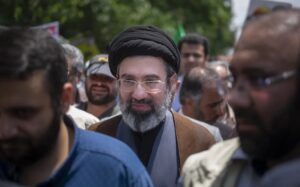
Iran has entered a new political era after the appointment of Ayatollah Mojtaba Khamenei as the country’s supreme leader, replacing his father, Ayatollah Ali Khamenei, who was killed during the first wave of US–Israeli strikes earlier in the conflict.
The transition in leadership coincided with a fresh barrage of Iranian missiles targeting Israel and several Gulf states, intensifying a war that has now stretched into its tenth day and triggered severe disruptions across global energy markets.
Iranian state media reported that the Assembly of Experts moved swiftly to select the younger Khamenei despite what it described as “the brutal aggression of the criminal America and the evil Zionist regime.”
In a symbolic display of loyalty, television footage showed a missile prepared for launch bearing the inscription: “At your command, Sayyid Mojtaba.”
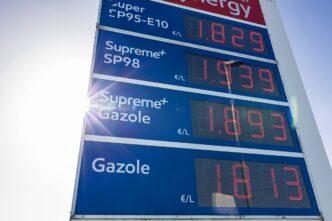
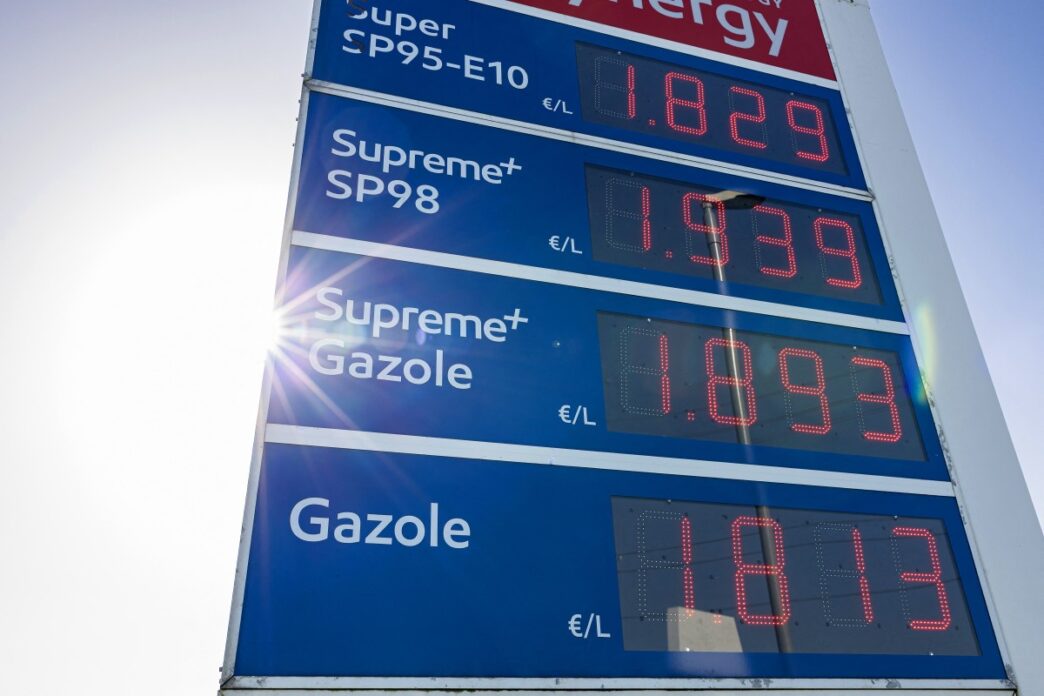
The escalation has sent shockwaves through the global economy. Oil prices surged sharply, with benchmark crude climbing above $100 per barrel for the first time since Russia’s invasion of Ukraine four years ago.
Since the war began, West Texas Intermediate has risen by more than 75 per cent, while Brent crude has climbed by more than 60 per cent. The impact has rippled through financial markets worldwide, with Japanese and South Korean stocks closing down more than five per cent and European gas prices jumping by roughly 30 per cent.
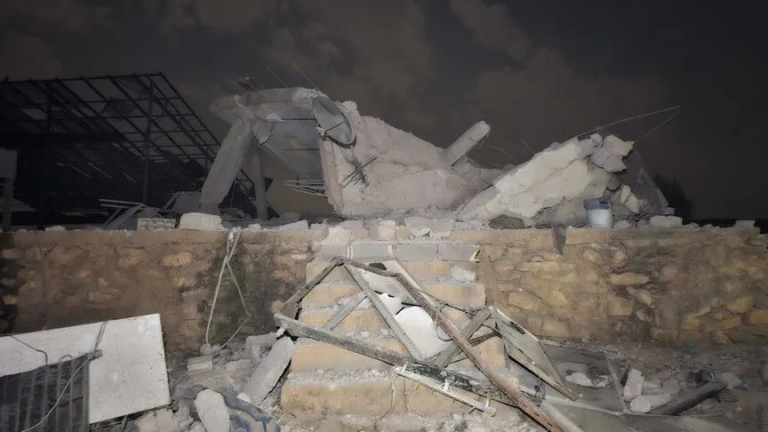
Infrastructure across the Gulf has also come under strain. Bahrain’s state-owned energy company Bapco warned it may struggle to meet export commitments after missile strikes damaged the Al-Ma’ameer oil facility. Energy companies in Qatar and Kuwait have similarly issued force majeure notices.
Read More : Bolsonaro Defies Exit Ban, Flees to US
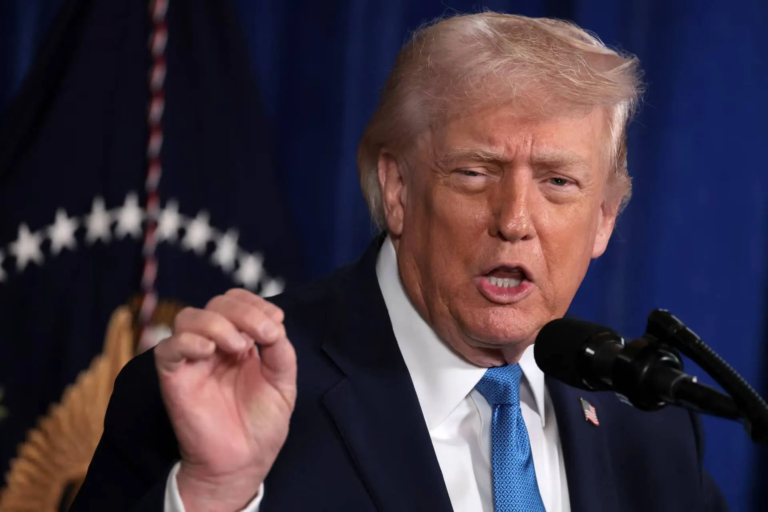
Meanwhile, geopolitical tensions continue to escalate. U.S. President Donald Trump previously dismissed Mojtaba Khamenei as a “lightweight” and warned that “if he doesn’t get approval from us he’s not going to last long.” China, however, urged restraint, stressing that “Iran’s sovereignty, security, and territorial integrity should be respected.”
The conflict has expanded beyond Iran and Israel. Fighting intensified in Lebanon, where Hezbollah said its fighters were engaged in clashes with Israeli forces after helicopter landings across the Syrian border. Lebanese authorities report hundreds of casualties since the war began, including dozens of children.
With energy markets rattled and hostilities spreading across multiple fronts, global leaders now face mounting pressure to prevent the conflict from spiralling into a wider regional crisis.