Trending

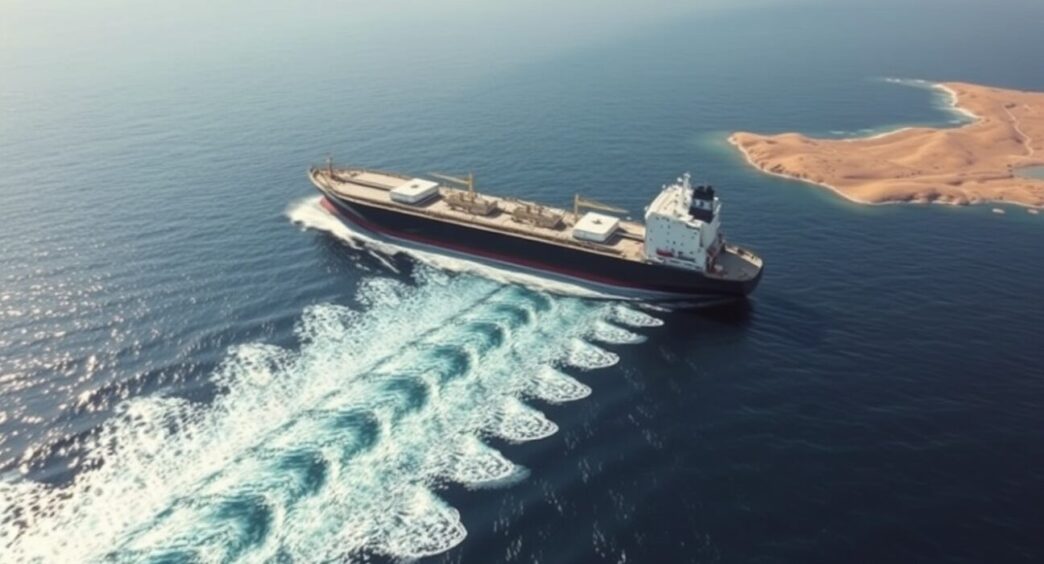
Iran’s Revolutionary Guards have warned that oil exports from the Middle East could face sweeping disruption as the war triggered by the United States and Israel’s strikes on Iran continues to escalate.
The warning underscores growing fears that the conflict could reshape global energy markets and deepen instability across the region.
Ali Mohammad Naini, a spokesperson for Iran’s Revolutionary Guards, said Tehran would prevent oil shipments from reaching countries aligned with Washington and Tel Aviv for the duration of the conflict. According to Iran’s Tasnim news agency, Naini declared that Iranian forces “will not allow the export of a single litre of oil from the region to the hostile side and its partners until further notice.”
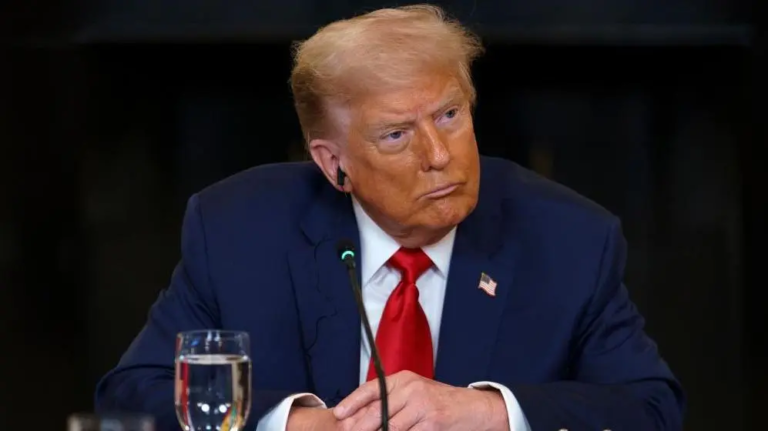
Read More : US Probes TV Networks Over Trump Coverage
The statement signals a potentially dramatic escalation in the conflict’s economic dimension, particularly as energy flows through the Gulf remain crucial to the global economy. Nearly one-fifth of the world’s crude oil normally passes through the Strait of Hormuz, the narrow shipping corridor connecting the Persian Gulf to international markets.
Tensions intensified after the United States and Israel carried out coordinated strikes on Iran on February 28, an operation that killed Supreme Leader Ayatollah Ali Khamenei and ignited a wider regional war. Since then, Iran has launched multiple drone and missile attacks targeting Israel and American-linked interests across the Middle East.
Shipping traffic through the Strait of Hormuz has already been severely disrupted. Iranian forces have repeatedly targeted oil tankers travelling through the strategic waterway, raising concerns among global energy traders and shipping companies.
The market reaction has been immediate. Oil prices surged past $100 per barrel, marking their highest level since Russia’s invasion of Ukraine in 2022, though prices later eased after US President Donald Trump suggested military operations could soon wind down.
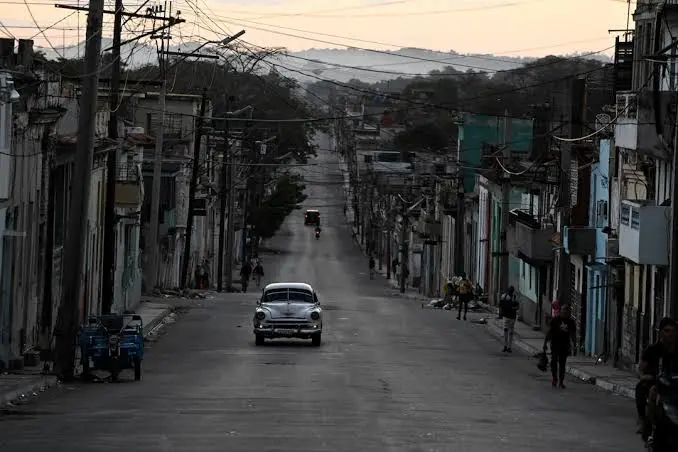
Read More : Power Restored In Cuba After Outage
Despite that temporary relief in the markets, Naini dismissed the possibility that outside powers could stabilise prices.
“Their efforts to reduce and control the price of oil and gas will be temporary and fruitless,” he said, adding that “trade in war conditions is hinged on security.”
In a further sign of escalating diplomatic pressure, the Revolutionary Guards also called on countries to expel US and Israeli ambassadors. According to Iranian state television, Tehran suggested that nations taking such steps would be granted “complete freedom and authority” to navigate the Strait of Hormuz without interference.