Trending
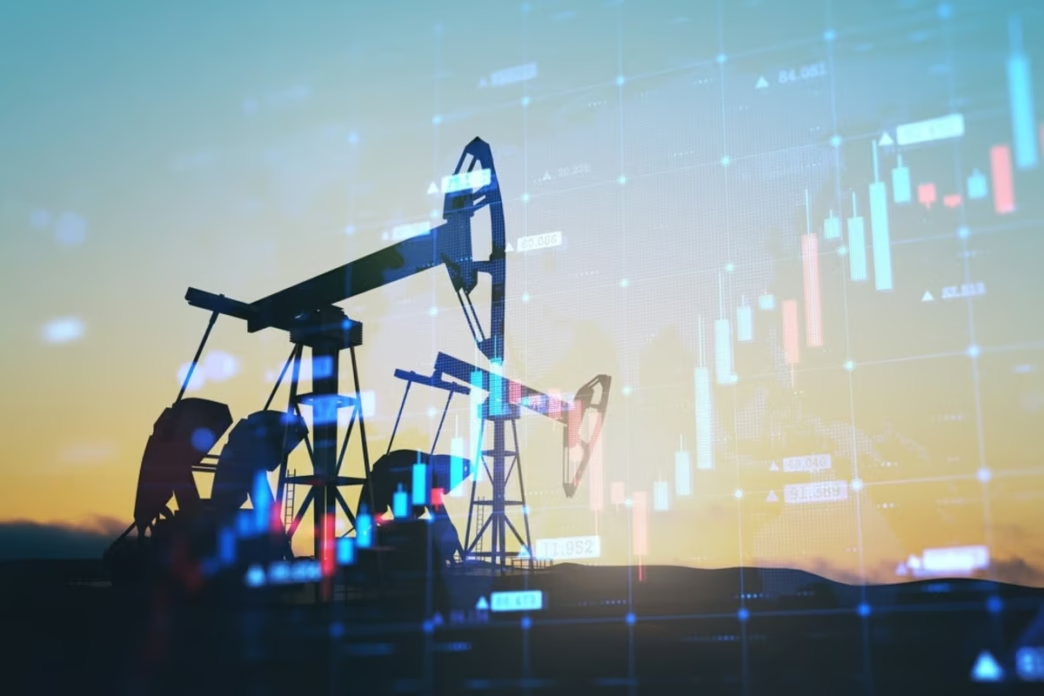
The primary U.S. oil benchmark, West Texas Intermediate (WTI), saw a sharp increase of more than 5% late Tuesday, reaching $87.65 per barrel.
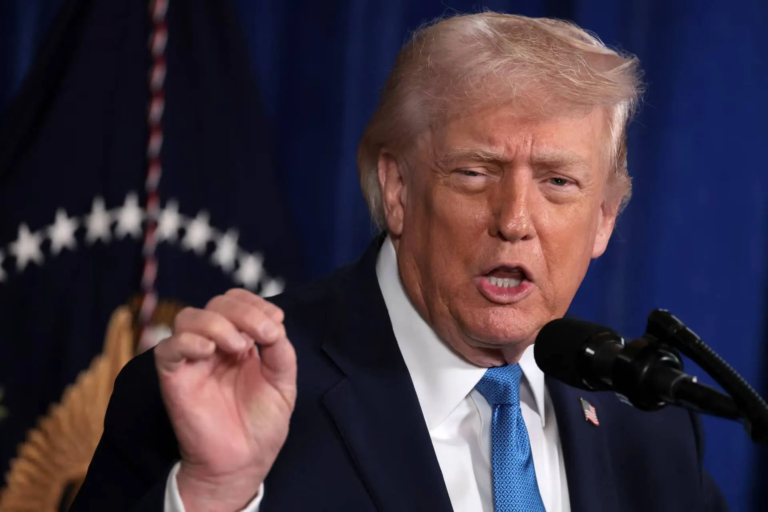
This price hike was triggered by intensified rhetoric from U.S. President Donald Trump regarding the Strait of Hormuz, a critical maritime chokepoint.
The surge highlights the market’s extreme sensitivity to geopolitical friction in the Middle East and the potential for prolonged supply disruptions.
Read More : Mauritania Students Protest Transport Fare Hike
The market has experienced significant volatility this week.
While prices briefly dipped earlier on Tuesday as the International Energy Agency (IEA) discussed releasing emergency oil reserves to stabilise the economy, those gains were erased by the renewed political tension.

This follows a dramatic spike on Monday, when prices soared past $100 per barrel after Iranian forces targeted shipping vessels, effectively halting traffic through the Strait.
Read More : Brazil’s Lula Turns 81, Vows 24-Hour Workday
The current energy crisis is a direct result of the regional war that escalated on February 28, 2026.
Following coordinated U.S. and Israeli military strikes that resulted in the death of Iran’s Supreme Leader, Ayatollah Ali Khamenei, Tehran retaliated by weaponising its control over the Strait of Hormuz.
Because approximately one-fifth of the world’s daily oil supply passes through this narrow waterway, the ongoing “tanker war” has left global markets bracing for a potential energy shortage and sustained high prices.