Trending
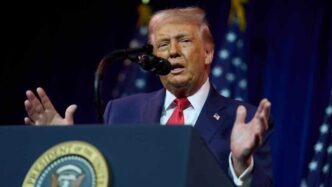
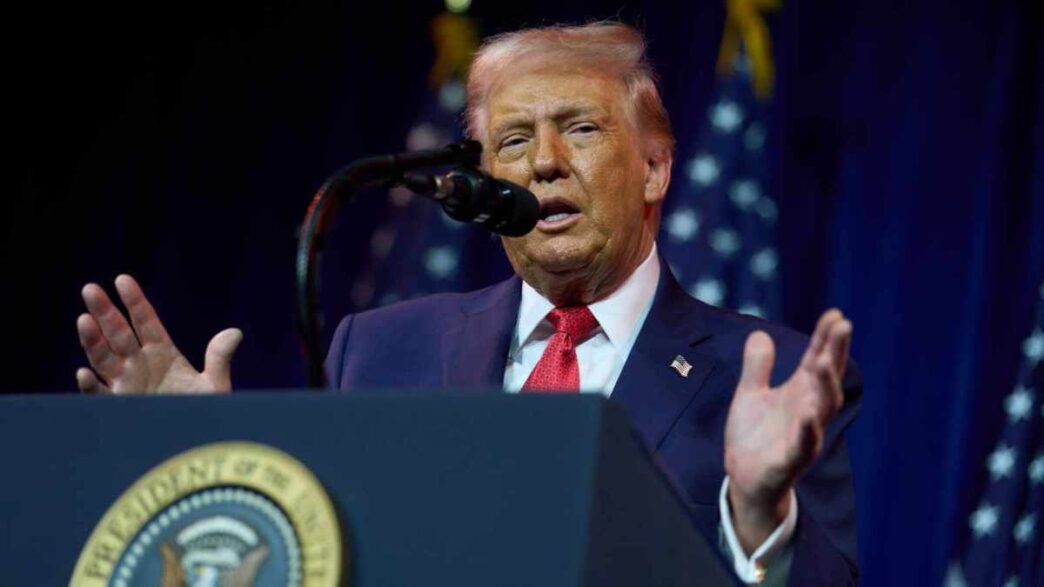
US President Donald Trump issued a fierce warning to Tehran on Tuesday, promising military retaliation “at a level never seen before” if the Strait of Hormuz is obstructed by naval mines.
The warning followed a specialised U.S. operation that successfully destroyed 16 Iranian minelaying vessels near the strategic waterway.
Trump emphasised that while he has not yet received reports of active mining, any such move by Iran would be met with swift and violent force.
Read More : Trump Blames Immigration For France Protests
The destruction of the minelayers—documented in unclassified video footage released by U.S. Central Command (CENTCOM)—is part of the broader “Operation Epic Fury.”
Launched on February 28, the joint U.S.-Israeli campaign aims to dismantle Iran’s military infrastructure, including its navy.
Trump noted that the U.S. is utilising high-precision missiles—previously used against drug-trafficking vessels—to target and “permanently eliminate” Iranian maritime threats in the Gulf.
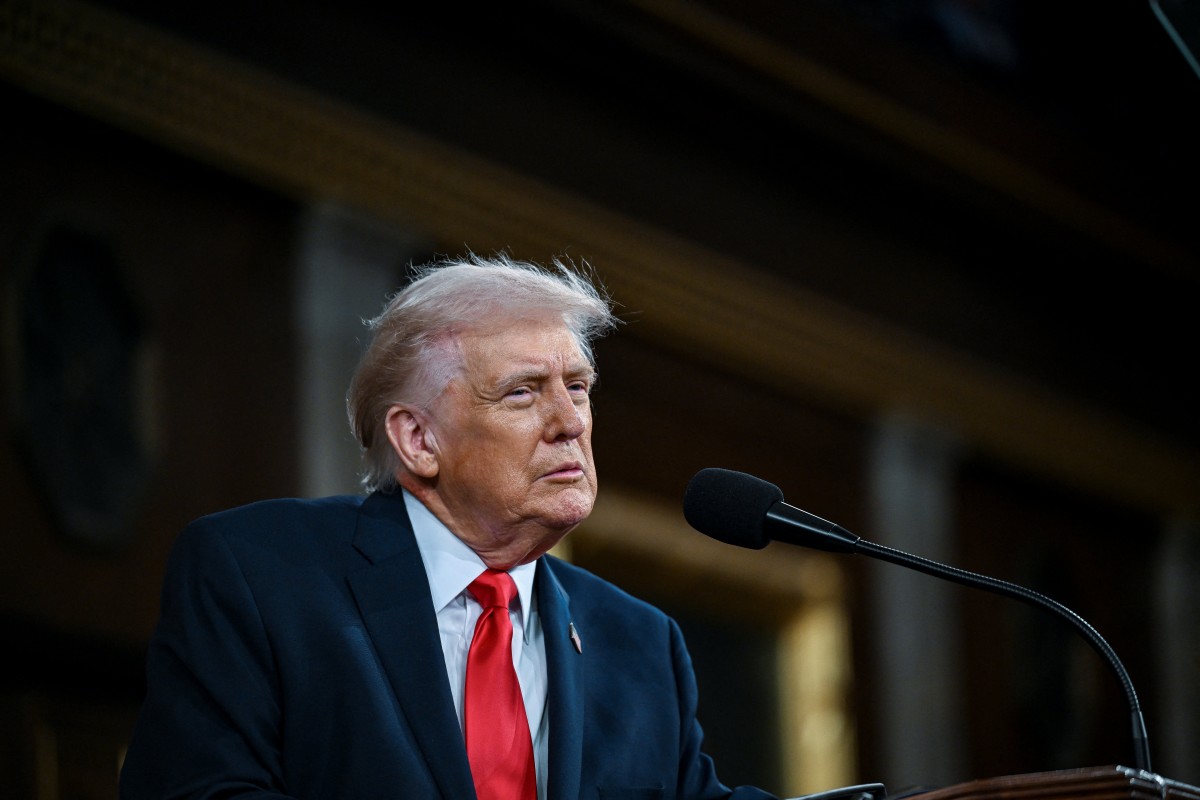
Despite the heightened military activity, the White House clarified that the U.S. Navy has not yet begun escorting oil tankers through the Strait.
The waterway remains a critical global chokepoint, with nearly 20% of the world’s oil production at risk.
Trump framed the U.S. efforts as a “gift” to global trade partners like China, asserting that the Iranian navy has already been decimated, with more than 50 vessels reportedly lying at the bottom of the ocean.
The current war, known as Operation Epic Fury, began on February 28, 2026, with a massive wave of nearly 900 U.S. and Israeli strikes.
Read More : Pope Makes First Public Appearance After Surgery
The opening salvo resulted in the death of Iran’s Supreme Leader, Ayatollah Ali Khamenei, and targeted the regime’s nuclear and missile production sites.
Tehran responded with a wide-ranging campaign of drone and missile strikes against U.S. bases and regional oil infrastructure, leading to the current standoff in the Strait of Hormuz.
The conflict has caused significant global economic disruption, with oil prices briefly surging past $120 per barrel earlier this week.