Trending
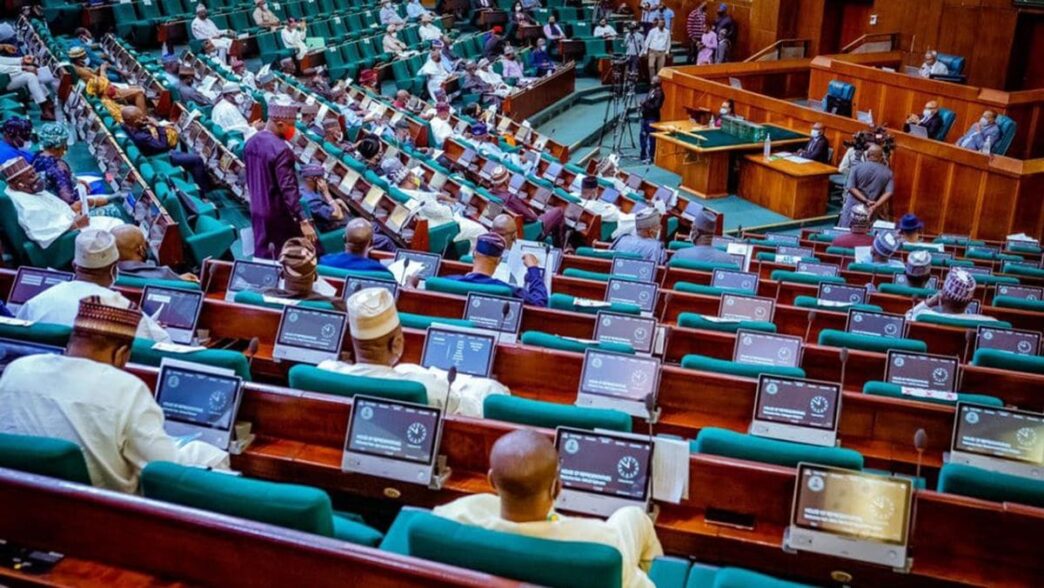
Under the new provision, anyone found guilty of belonging to more than one political party at the same time will face a fine of ₦10 million. Offenders may also be sentenced to a maximum prison term of two years.
The amendment is aimed at tackling the long-standing issue of “political nomadism,” where individuals maintain affiliations with multiple parties to hedge their bets during primary seasons.
Lawmakers argue that this “double-dealing” creates administrative challenges for the Independent National Electoral Commission (INEC) and weakens the internal democracy of political parties.
By prescribing such a steep financial penalty, the House intends to make the cost of political opportunism prohibitively high.
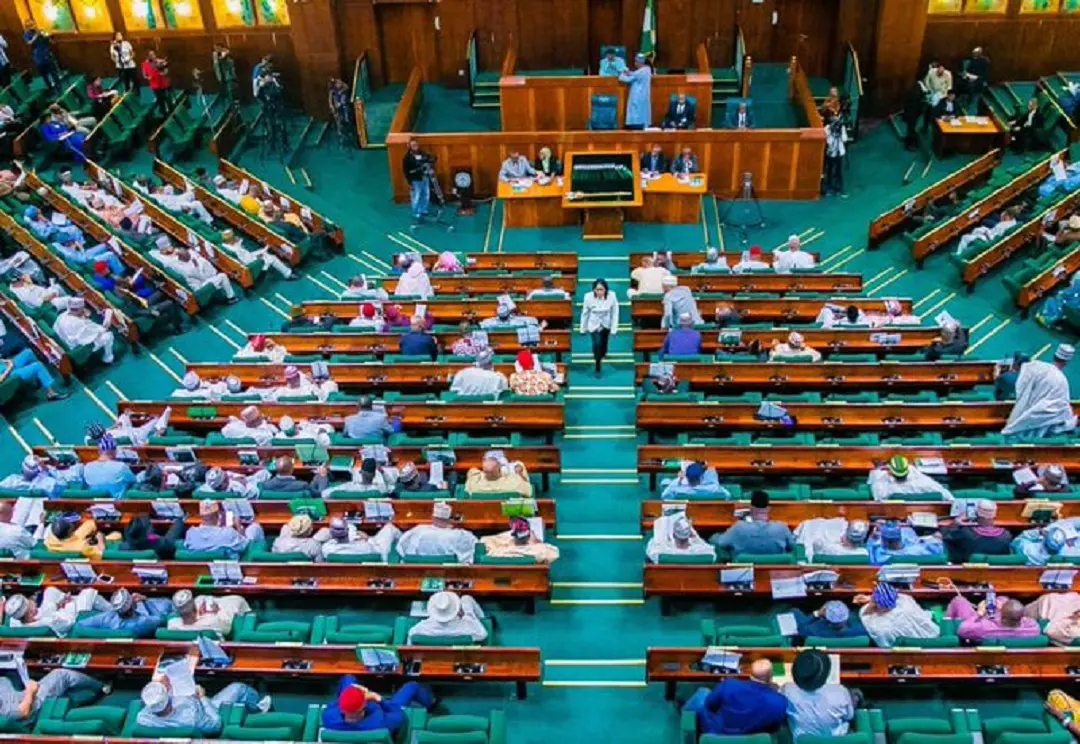
According to the House of Reps, this amendment seeks to:
- Enforce Loyalty: Force politicians to commit to a single ideology and platform.
- Reduce Litigation: Minimise post-election legal battles that often arise from disputed party memberships.
- Strengthen Institutions: Transition the political system from one centred on individuals to one centred on disciplined party structures.
This specific provision is part of a wider suite of reforms signed into law in February 2026. Other major changes include:
- Electronic Transmission: Strengthening the legal framework for the IReV portal.
- Stiffer Malpractice Penalties: Increased fines for vote-buying (now up to 5 million Naira) and 10-year jail terms for electoral officers who falsify results.
- Primary Guidelines: Scrapping indirect primaries in favor of direct or consensus options to give more power to grassroots members.