Trending
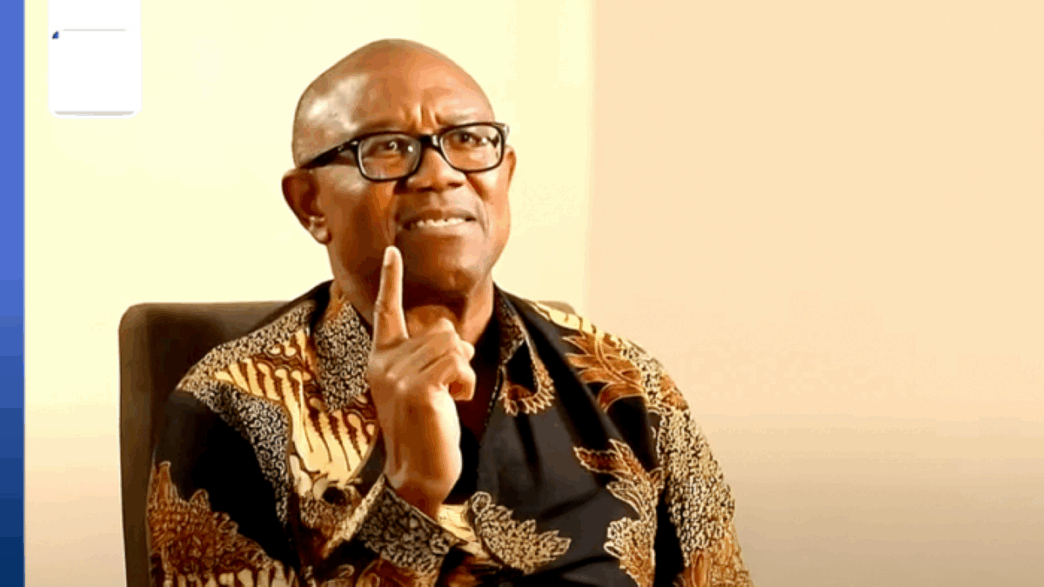
Former presidential candidate Peter Obi has attributed the recent rise in petrol and diesel prices in Nigeria to a lack of strategic planning, warning that global economic shocks quickly translate into higher domestic fuel costs.
In a statement issued on Thursday, Obi pointed to the impact of the ongoing tensions between the United States and Iran on global oil markets.
“A few weeks ago, petrol was selling for less than ₦1,000 per litre, but today it costs over ₦1,200 per litre,” he said.
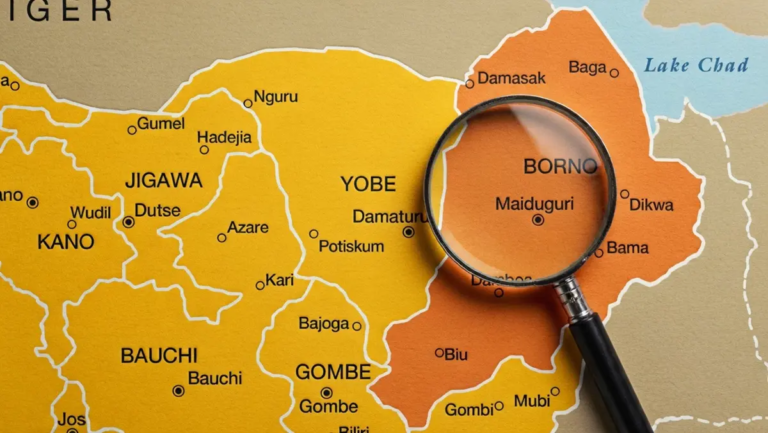
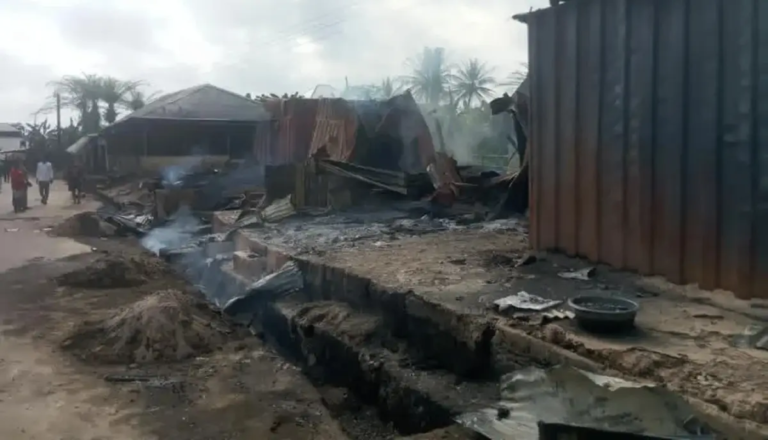
Read More : Borno Attack Death Toll Rises to 28
“Diesel, which was also priced below ₦1,000 per litre, is now over ₦1,500 per litre. These rapid increases illustrate how quickly external shocks can affect the Nigerian economy.”
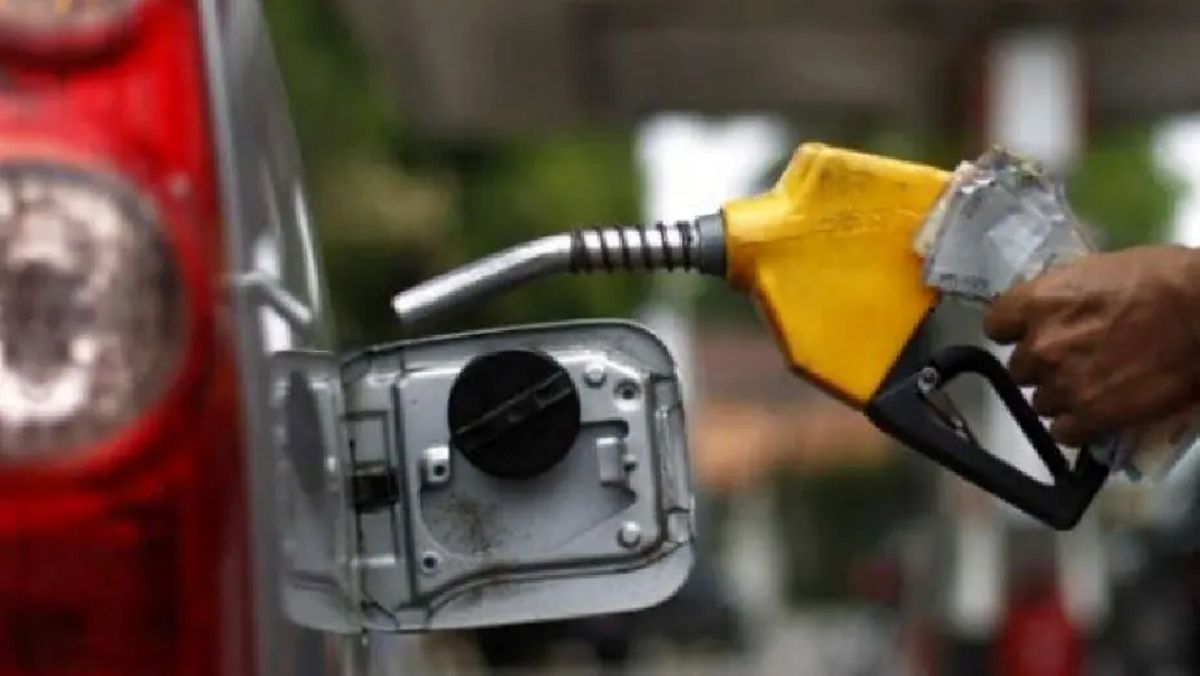
Obi explained that many countries maintain strategic petroleum reserves to protect their economies from supply disruptions or price volatility, noting that Nigeria lacks such a buffer.
“The underlying issue is a lack of planning. Countries that engage in planning create buffers against shocks, while those that do not remain vulnerable to them,” he added.
His warning follows reports that petrol prices rose to around ₦1,300 per litre in several parts of the country after a hike in gantry prices at the Dangote Petroleum Refinery from ₦995 to ₦1,175 per litre.
Some filling stations were reported to be selling petrol for as high as ₦1,350 to ₦1,400 per litre.
Economists and members of Nigeria’s Organised Private Sector have cautioned that the price surge could trigger broader inflationary pressures, forcing businesses to adjust their budgets and raise prices for goods and services.
Read More : Oyo, Imo Join Forces to Rescue 20 Corps Members
The Nigeria Labour Congress also criticised repeated petrol price increases, while international developments—including potential emergency oil reserve releases by the Group of Seven—have been cited as attempts to stabilise global oil supply.
Obi concluded by calling for structural reforms and long-term planning to protect the economy from future shocks.
“The old maxim remains true: when a country fails to plan, it has already planned to fail,” he said.