Trending
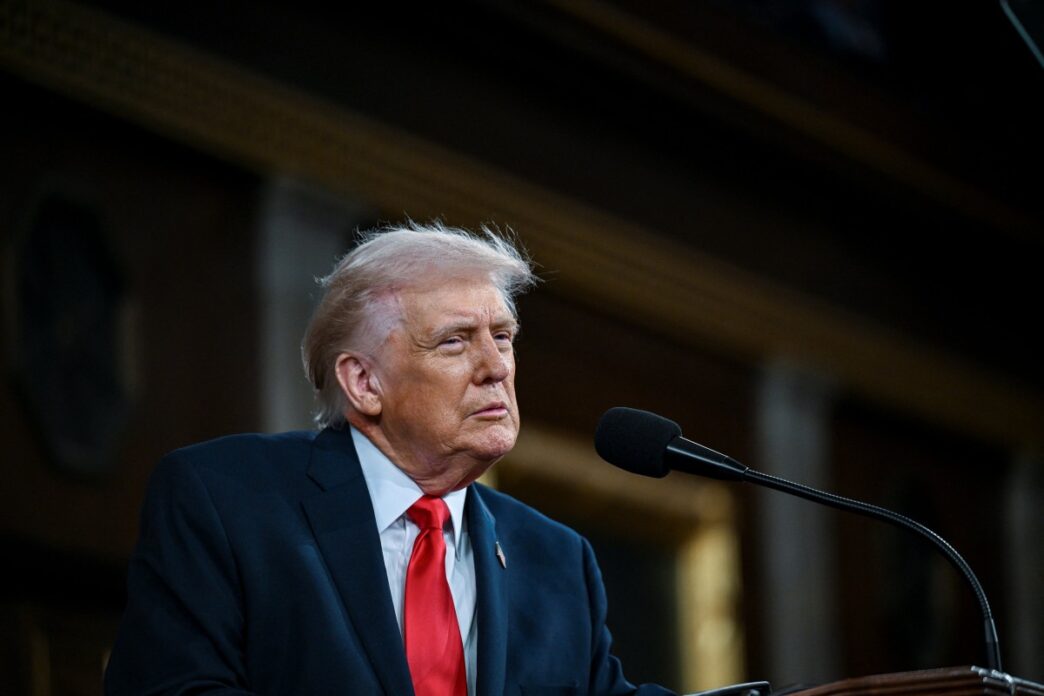
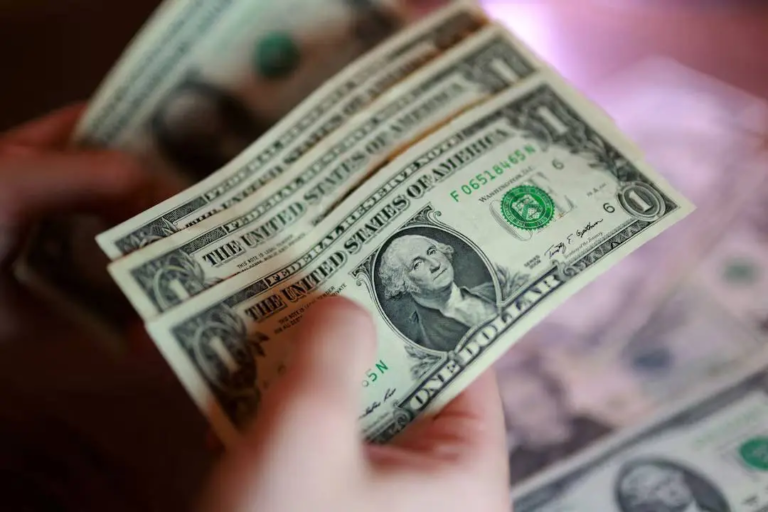
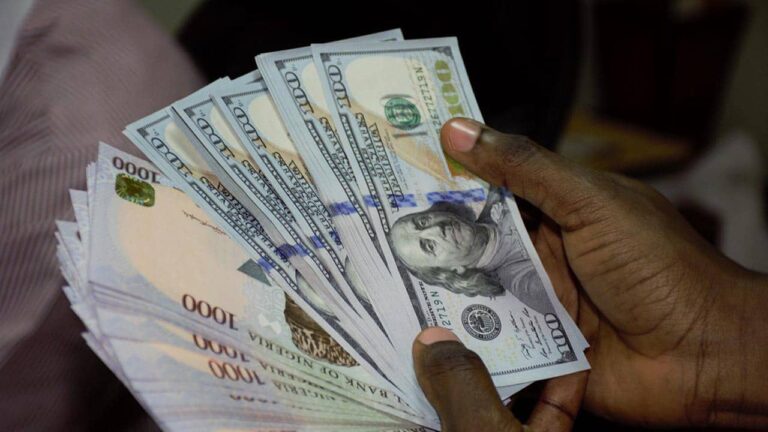
The escalating conflict in the Middle East has inadvertently fuelled a surge in the U.S. dollar, creating a paradox for President Donald Trump’s economic agenda.
As oil prices climbed to $100 per barrel following attacks on Gulf infrastructure and the blockade of the Strait of Hormuz, investors flocked to the greenback—the primary currency for global energy trades.
While Trump has campaigned on lowering interest rates and weakening the dollar to boost American exports, the current crisis has increased the currency’s value by approximately 2.5% as it reclaimed its status as a premier “haven” asset.
The United States’ position as the world’s leading oil producer has largely shielded its economy from the supply shocks hitting Europe and Asia.
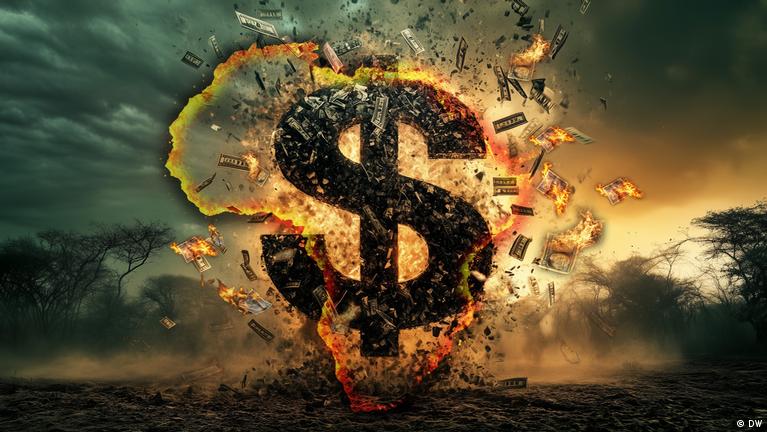
Unlike its international peers, the U.S. relies on the Gulf for only 8% of its requirements, with the majority of imports coming from Canada.
Furthermore, as a net exporter of refined petroleum and gas, the U.S. trade balance benefits from higher energy prices, making American bonds and currency more attractive to global investors compared to those of energy-dependent rivals.
Read More : Dollar Surges Toward September Gain Over Euro
However, this financial strength brings new complications for the administration.
Rising energy costs have reignited inflation fears, making it more likely that the Federal Reserve will delay planned interest rate cuts or even raise borrowing costs to stabilise the economy.
Analysts suggest that the administration’s stance on the dollar remains inconsistent, as the geopolitical priority of neutralising Iran’s nuclear capabilities currently outweighs the short-term desire for a weaker currency and lower gas prices.