Trending
The International Monetary Fund (IMF) has announced that it is closely monitoring the ongoing conflict in Iran, assessing its potential impacts on global inflation and economic output.
While no country has sought emergency financial assistance due to the conflict, the IMF cautioned that a prolonged war could lead to significant economic challenges worldwide.
Julie Kozack, the IMF’s chief spokesperson, spoke at a press briefing on Thursday, highlighting the possible consequences of the war.
Read More : LASTMA Warns Against Skating On Highways
“If prolonged, higher energy prices will lead to higher headline inflation,” she explained, emphasising that sustained oil prices above $100 per barrel could trigger a rise in global inflation by up to two per cent. Additionally, the IMF’s estimates suggest that global economic output could decline by approximately one per cent if oil prices remain elevated for a prolonged period.
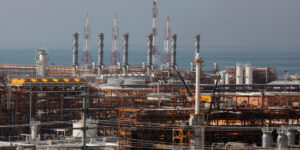
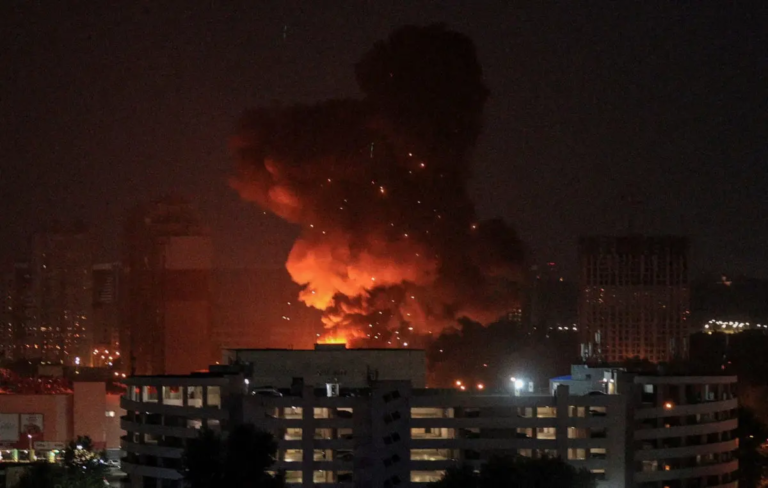
The IMF’s comments come amid growing concerns about the ongoing geopolitical tensions in the Middle East, particularly the US-Israel war involving Iran. Despite these concerns, the IMF has confirmed that no country has yet requested emergency financial assistance in relation to the conflict.
“We have not received any formal requests for emergency financing,” Kozack stated, signalling that countries are still navigating the crisis without seeking immediate external financial support.
As the situation continues to unfold, the IMF’s role in monitoring global economic stability will be critical, especially amid heightened volatility in energy markets. The organisation’s warning underscores the potential economic fallout if the war’s impact on oil prices persists.
The IMF’s cautious stance highlights the uncertainty surrounding global inflationary pressures and economic growth, especially as countries remain vulnerable to external shocks.