Trending

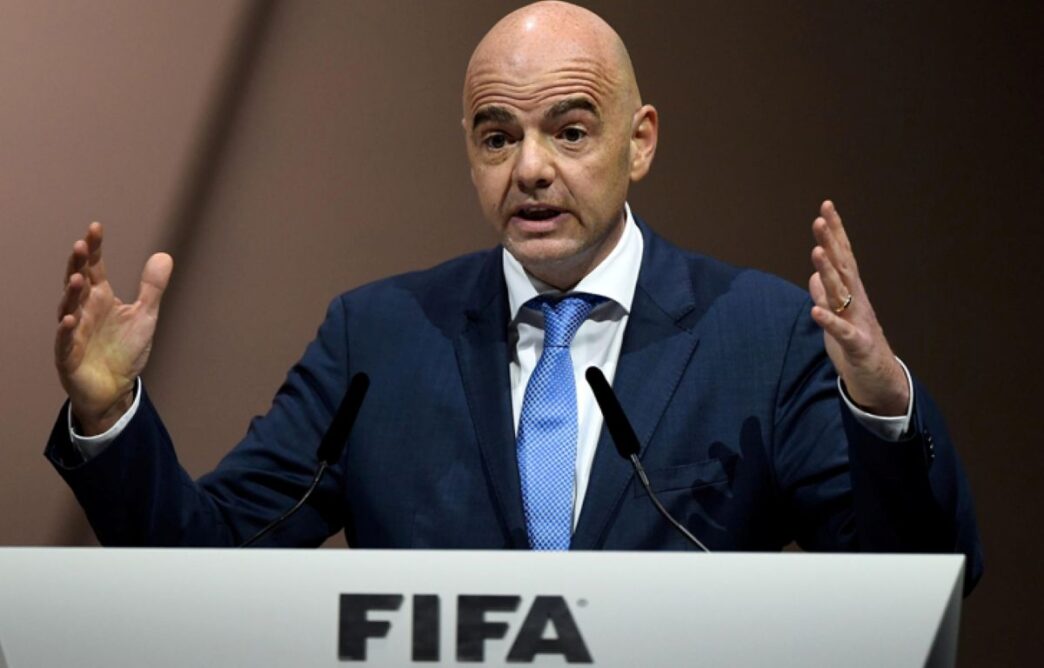
FIFA has introduced groundbreaking regulations requiring all teams in women’s tournaments to have a female head coach or assistant, marking a significant step towards greater gender representation in football leadership.
Announced during FIFA’s council meeting on Thursday, this rule will apply to all youth and senior tournaments, national team competitions, and club events.
The policy will take effect at the Under-20 Women’s World Cup in Poland this September, and will extend to high-profile competitions such as the second edition of the Women’s Champions Cup, the 2027 Women’s World Cup in Brazil, and the inaugural Women’s Club World Cup scheduled for two years from now.
Read More : Arsenal Come From Behind to Beat Leeds 2-1
The move is part of FIFA’s larger strategy to ensure that the rapid expansion of women’s football is matched by a more inclusive and diverse representation in technical and leadership roles.
Despite the growing popularity of women’s football, coaching positions remain dominated by men. At the 2023 Women’s World Cup, only 12 of the 32 participating head coaches were female.

Jill Ellis, FIFA’s Chief Football Officer and former head coach of the United States women’s national team, addressed the disparity, saying, “There are simply not enough women in coaching today.”
Ellis emphasised the need for systemic change: “We must do more to accelerate change by creating clearer pathways, expanding opportunities, and increasing the visibility for women on our sidelines.”
The new regulations are designed to support this change by ensuring at least two women on the coaching staff and mandating a female presence on the medical team.
FIFA’s initiative, coupled with targeted development programmes, signals a long-term investment in the future of female coaches, helping foster a more inclusive environment in football’s leadership. This regulation not only paves the way for increased female representation but also promotes gender equality in the heart of football strategy.